What’s good, everyone – and welcome to my little corner of the workshop, where we talk real stuff about the parts that hold literally everything together. I’m Jake, been selling threaded fasteners for just over 10 years now, and I’ve lost count of how many times someone’s asked me, “Why not just weld that, or use adhesive? What’s so special about your little bolt and nut?” Threaded Fasteners
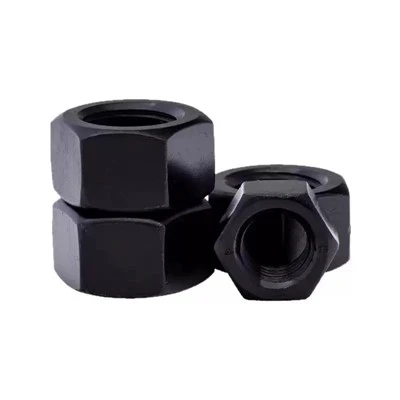
Today, we’re breaking down the actual advantages of threaded fasteners – no sales fluff, no jargon that makes your eyes glaze over, just the stuff I hear from contractors, auto mechanics, construction crews, and even small-scale hobbyists who swing by our warehouse. Let’s start with the big one that makes threaded fasteners my go-to for 90% of jobs: they’re removable. No other joining method does that.
Think about it: if you weld two parts together, that’s a permanent bond. Cut it with a torch, and those parts are toast – might as well throw ‘em away. Adhesive? Same story, for the most part. Gorilla glue that engine mount, and you’re not taking that off without chipping the metal or pulling a piece of the bracket right off. But a bolt and nut? You grab a wrench, twist it a few times, and it’s off. Want to swap out a broken lawnmower blade? Remove a rusted truck frame bracket? Fix a leaky pipe in your bathroom? Threaded fasteners make that easy. I had a plumber come by last month, panicking ‘cause his custom sink drain wouldn’t fit the old pipes he was working with. A couple of mismatched threaded adapters, and he was done in 5 minutes – no cutting, no re-threading the whole line. Welding that would’ve taken twice as long, and he would’ve had to call a helper to grind the weld smooth afterward.
And don’t sleep on adjustability. Some folks need a tight hold, others need a little give – and threaded fasteners let you dial that in. Tighten a bolt half a turn, and the tension changes just enough to fix a wobbly shelf. Tighten it another quarter, and it’s solid enough to hold a 50-pound toolbox. I’ve seen construction crews use this all the time for scaffolding – they tweak each joint’s tension to account for uneven ground, so the whole structure doesn’t sag after an hour of work. No other method gives you that kind of precise control over how much force is holding two things together. Welding’s all or nothing; adhesive’s too strong or not strong enough. Threaded fasteners? It’s like a volume knob for tightness.
Next up: cost. Let’s be real, nobody wants to blow their budget on parts. Threaded fasteners are cheap – like, way cheaper than most other joining options. A box of 100 stainless steel bolts and nuts? Maybe 15 bucks, tops. Compare that to a can of heavy-duty industrial adhesive, which is $20 and only holds three or four small joints, or a single welding rod that’s $10 and won’t get the job done on a thick steel beam. Even for big projects – like building a commercial warehouse or a commercial truck fleet – the total cost of fasteners is a tiny fraction of the whole build. I worked with a road construction company last year; they used over 50,000 carriage bolts for guardrails. The total cost for all those fasteners? Less than 1% of the total project budget. That’s insane when you think about it – and none of that savings is on quality, either. We use high-grade steel that’s rust-resistant and can hold way more weight than the average person would ever need.
Durability is another big one, especially for outdoor or heavy-use jobs. Threaded fasteners distribute force evenly, right? The threads bite into the part, so the stress is spread out along the length of the bolt, not concentrated in one tiny spot. Welding concentrates all the stress at the weld point – which is why you see so many welded metal frames crack at the seam after a few years of being jostled around. Adhesive? Same thing – the bond can chip or break if stress is applied unevenly, like if you drop something on it. But a good threaded fastener? I’ve got bolts we supplied that have been on a coastal bridge for 12 years, no rust, no loosening, no issues. That bridge crew used hot-dip galvanized fasteners, which is our most popular option for outdoors, and they told me last month that they barely have to touch those joints during routine inspections. Compare that to the old rivets they used before – rivets hold, but you can’t check their tension easily, and once they’re loose, they’re almost impossible to fix without drilling them out. Threaded fasteners let you tighten them up again later, too – even after years of use. That’s a game-changer for maintenance, trust me.
Wait, let’s not forget consistency. Every bolt we make is the same size, same thread pitch, same tensile strength. You order a M10x50 bolt today, and a M10x50 bolt next year, and they’ll fit perfectly every time. No welding spatter ruining a joint, no adhesive that sets too soft or too hard, no custom rivets that don’t line up right. That’s huge for assembly lines, especially in the auto industry. A car manufacturer I supply sends me monthly orders for 200,000 bolts for door hinges. They don’t have to worry about mismatched parts, because our fasteners are standard. They can swap out one bolt supplier for another, and the parts still fit – that’s standardization at its finest. You can’t do that with a custom weld or a special adhesive; every job is unique.
Oh, and versatility. Threaded fasteners work on literally every material you can think of. Steel, aluminum, wood, plastic, even concrete. You can use a bolt and a metal insert to hold a shelf to a cinder block wall, a stainless steel screw to hold a carbon fiber bike frame together, a zinc-plated bolt to secure a truck bed liner. I even supplied a hobbyist last year who was building a custom kayak – he used small threaded inserts to hold the mounting points for his fishing rod holders, so he could take them off when he didn’t need them. No other joining method is that flexible. Welding plastic? Possible, but it takes special equipment and it’s easy to melt the plastic. Adhesive on wood? It works, but you can’t adjust it if the joint is misaligned. Threaded fasteners? Grab the right size, drill a hole, twist it in – done.
I know some folks are gonna say, “Wait, what about loosening over time? Don’t bolts vibrate loose?” Yeah, that’s a thing – but you solve that with basic parts like lock washers or nylock nuts, which are super cheap. No fancy tech, just a small washer that adds tension or a nut with a plastic insert that grips the bolt threads. I’ve had customers come back to buy lock washers every few months, and they tell me that’s all they need to keep their joints tight, even on trucks that bounce down dirt roads all day. It’s a simple fix for a tiny issue, and way easier than trying to re-weld a joint every time it shakes loose.
Here’s the thing I always tell new customers: threaded fasteners are the unsung heroes of every single thing you use. Your car? Bolts hold the engine, the tires, the seats. Your house? Bolts hold the roof trusses, the windows, the deck. Your fridge, your lawnmower, your phone case? All use threaded fasteners. Welds and adhesives have their place, don’t get me wrong – but fasteners are the ones that make everything repairable, adjustable, and affordable.
If you’re working on a project right now – whether it’s a small home repair, a commercial build, a custom vehicle, whatever – and you’re not sure what parts you need, hit us up. We don’t push the most expensive stuff; we help you find exactly what works for your job, no hidden fees, no confusing sales calls. We’ve got fasteners for every material, every size, every use – from tiny 2mm screws for electronics to 2-inch bolts for heavy construction. Just reach out, tell us what you’re working on, and we’ll get you the right fasteners fast. That’s what we’ve been doing for over a decade, and that’s why so many folks come back to us again and again.
Let’s keep this real: there’s no perfect joining method, but threaded fasteners check almost every box for most jobs. They’re removable, adjustable, cheap, durable, consistent, and versatile. They save you time, money, and headaches, and they make repairs and modifications way easier down the line. Next time you pick up a wrench to fix something, take a second – that bolt or screw you’re turning is probably the best part of the whole project.
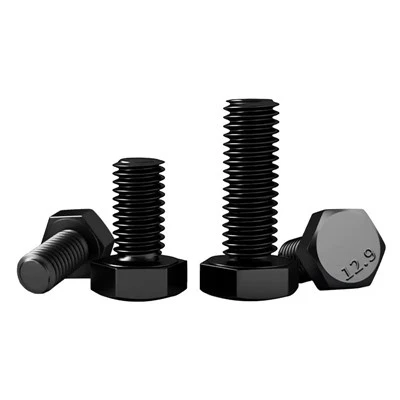
If you’re ready to get your project moving and need to order fasteners, get in touch with us to chat through your needs. We’re here to help, no matter how big or small your job is.
Nut References:
- American Society of Mechanical Engineers. (2021). Design Guide for Threaded Fasteners in Structural Applications. ASME Press.
- Fastener Technology Association. (2022). The Benefits of Threaded Fasteners for Industrial and Construction Use. FTA Journal of Fastening Solutions.
- International Organization for Standardization. (2020). Standard Threaded Fastener Dimensions and Tolerances. ISO 898-1.
- Smith, L. (2019). Joining Methods for Modern Manufacturing: A Comparison of Fasteners, Welding, and Adhesives. Mechanical Engineering Today.
- Coastal Engineering Research Center. (2021). Corrosion Resistance of Galvanized Threaded Fasteners for Marine Structures. US Army Corps of Engineers.
Handan Hengmai Fasteners Manufacturing Co., Ltd.
Handan Hengmai Fasteners Manufacturing Co., Ltd. is one of the most professional threaded fasteners manufacturers and suppliers in China. With abundant experience, we are committed to providing customized fasteners made in China with competitive price. We warmly welcome you to buy bulk high quality threaded fasteners for sale here from our factory.
Address: Industrial Zone, West of Beiduanzhuang Village, Linmingguan Town, Yongnian District, Handan City, Hebei Province
E-mail: hmfasteners.cn@gmail.com
WebSite: https://www.hmfasteners.com/
