Hey there, fellow wrench turners, gearheads, and automotive pros! If you’ve ever stared at a stripped bolt after pulling a part off your car, or dug through a bin of used fasteners in your shop, you’ve probably asked yourself the same question I get all the time: Can I really reuse automotive fasteners? As someone who’s been in the automotive fastener supply game for over a decade now, I’ve answered this question more times than I can count—usually after a long day at the shop or a panicked phone call from a mechanic who just torqued a used bolt and watched it snap. Let’s cut through the myths and get real about this, no fancy jargon, just straight talk from someone who lives and breathes these tiny, critical parts. Automotive Fasteners
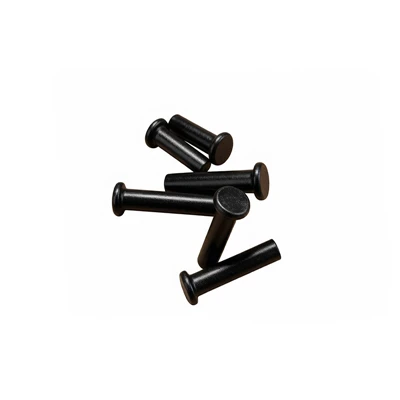
First off, let’s be clear: not all fasteners are created equal, and reusing them isn’t a one-size-fits-all call. I see so many folks thinking “a bolt’s a bolt,” but that’s like saying a hammer and a screwdriver are the same tool—they both turn stuff, but use cases matter A LOT. Let’s start with the basics of what makes a good fastener, and what happens when you take one off a car the first time. When you torque a new bolt (that’s the rotational force you use to tighten it, by the way), it stretches a tiny, controlled amount—think of it like a rubber band pulling tight, just not quite flexible. That stretch is what holds the joint together, whether it’s your wheel hub to the spindle or your intake manifold to the engine block. When you loosen a bolt to take the part off, that stretch releases… but here’s the catch: it doesn’t bounce back exactly like new.
Wait, before you throw your hands up and say “so all used bolts are garbage,” let’s pump the brakes. There are specific situations where reusing fasteners is totally safe, and others where it’s a hard no. Let’s break this down with examples you actually deal with. Take wheel lug nuts/bolts—everyone’s favorite when it comes to tire changes. I’ve heard horror stories from guys who reused a lug nut after rotating tires and ended up with a loose wheel on the highway. But wait, is that always a bad call? Let’s get into the science here (no, I won’t make you sit through a college lecture). Lug bolts are usually made of medium-carbon steel, heat-treated to be strong but not brittle. When you torque them the first time, they stretch maybe 0.1% of their length—super tiny, almost impossible to see. If you loosen them to swap tires and then retorque them to the exact spec the manufacturer calls for (not what your buddy swears by), studies show those lugs can hold up fine. But here’s the rule: if a lug bolt is damaged—stripped threads, a bent shank, or any sign of rust that’s eaten into the core—dump it. No exceptions. I tell my customers all the time: if the part was holding something non-critical, like a plastic trim panel, reusing a self-tapping screw is probably okay, but if it’s holding your steering component? New bolt only.
Let’s talk about head bolts—those are the ones that clamp your cylinder head down to the engine block, the holy grail of critical fasteners. I can’t even count how many times a mechanic has asked me, “Can I reuse my head bolts when I do a valve job?” The short answer for most late-model cars is NO. Here’s why: most modern head bolts are torque-to-yield (TTY) bolts, not your standard torque-then-hold ones. TTY bolts are stretched way past their elastic limit on the first torque—they don’t just stretch like a rubber band, they bend permanently. Once they yield, they can’t go back to their original shape, so they lose their clamping force. If you reuse a TTY head bolt, you’re risking a blown head gasket, overheating, or worse—engine damage that’ll cost thousands, way more than the $5 for a new set of bolts. I always make sure to mention this to every customer ordering head bolts, because cutting corners here is a recipe for disaster. But wait, some older engines (pre-2000s, usually) use standard head bolts, not TTY. Those? You can reuse them, as long as they don’t have any rust, thread damage, or deformation. That’s where knowing your specific vehicle’s fastener type comes in, and I’ve built my business on helping folks figure that out, not just selling parts.
Now, let’s get to the stuff that confuses people: small fasteners, like the ones holding your interior panels, or brackets under the dash. Self-tapping screws, sheet metal bolts, even those tiny clip nuts—can you reuse those? Again, it depends. Self-tapping screws, for example, work by cutting their own threads into metal or plastic. If you pull one out and put it back into the exact same hole, no damage to the threads, it’s fine. But if you put it into a new hole, or the original threads are stripped, it’ll spin and won’t hold. I see this all the time with interior trim—guys pry a screw out, toss it back in the same spot, and it works great. But if you have to move a bracket, don’t force an old screw into a new hole; grab a new one. It’s worth the 10 cents, trust me. Also, don’t skip on grade here. Grade 5 bolts (the ones with 3 lines on the head) are for general use, Grade 8 (6 lines) is for high-stress areas. Reusing a Grade 8 bolt in a Grade 5 situation is probably okay, but never vice versa.
Now, let’s talk about the red flags—signs that a fastener is too far gone to reuse. This is the stuff I always tell people to check before even thinking about tightening it again. First, visible damage: stripped threads (run a bolt gauge over it—if it doesn’t catch cleanly, trash it), bent shank (hold it up to a straight edge, if there’s a gap anywhere, it’s bad), or cracks, especially under the head or at the base of the threads. Second, rust or corrosion. Surface rust on a lug bolt? Maybe fine, but if rust has pitted the shank or filled the threads, it’s going to snap when you torque it—there’s not enough material left to hold. Third, if the fastener was removed using force—like if you had to heat it, use a breaker bar that snapped a ratchet, or it was rusted on so tight you had to drill it out. Using a lot of force during removal means the bolt was under way more stress than it’s designed for, so reusing it is a gamble no one needs. I can’t tell you how many times a customer brings a bolt that broke during removal to me, asking if they can “just weld it back together and reuse it.” Nope. Welding changes the metal’s structure, making it brittle, and it’ll snap the second you torque it. That’s a hard pass.
Wait a second, what about aerospace or racing applications? I get this question all the time from racers, who are always looking to save a buck. For high-performance use, most manufacturers and racing series actually prohibit reusing fasteners, even non-TTY ones. That’s because in high-stress situations, like a car going 200 mph, even a tiny loss in clamping force can lead to disaster. But for your daily driver? The one you commute in to work, take the kids to soccer practice in, no problem. Reusing fasteners in low-stress, non-safety-critical areas is totally safe. I always draw that line: if the fastener is part of the vehicle’s safety system (brakes, steering, suspension, engine internals), new bolt only. If it’s holding a door panel or a taillight bezel, reuse away if it’s in good shape.
Let me also clear up a common myth: lubrication. A lot of people think if they lube a used bolt, it’s as good as new. Sorry, that’s not how it works. Lubrication only affects how much torque you need to tighten it, not the clamping force or the bolt’s ability to hold. Even with lube, that bolt that’s already yielded or has a pitted shank isn’t going to magically perform like a new one. I’ve had customers test this themselves—they take two identical bolts, one new, one used, torque them both, and measure the clamping force. The used one almost always has less, sometimes enough less to matter. That’s the data I use, not just old wive’s tales.
As an automotive fastener supplier, I’ve built my reputation on being honest with folks, not upselling them on every single part. If a customer calls me and says, “I just need to rotate my tires, can I reuse my lug bolts?” I tell them: “As long as they’re not bent, stripped, or rusted, and you torque them to spec, go for it. But if you have any doubt, grab a new set—they’re cheap, and you’ll sleep better.” If they say they’re doing a valve job and ask about head bolts, I tell them: “Your engine uses TTY bolts, so you need a new set. Here’s the part number, and I can ship it to you today.” I don’t lie to make a sale, because I know automotive work is already stressful enough—you don’t need to worry about a bolt failing on the road.
Now, let’s get to the “why” behind all this, because it’s not just arbitrary rules. Fasteners are engineered for a specific number of cycles, specific torque values, and specific applications. When you reuse one, you’re pushing it beyond what it was designed for, even if you can’t see damage. That’s why manufacturer service manuals (like the ones you get from Chilton or Haynes, or even online for free now) always specify if a fastener is reusable or not. I always tell people to check the manual first—don’t rely on random forum posts from some guy saying “I reused my head bolts and nothing broke.” He might’ve gotten lucky, but luck runs out.
Let’s wrap this up with a quick checklist you can keep in your toolbox for next time you’re pulling parts off: 1. Is this fastener part of a safety-critical system? (Brakes, steering, suspension, engine internals, wheel lugs) → If yes: New bolt only, no exceptions. 2. If it’s non-critical: Check for visible damage (stripped threads, bend, cracks, rust). If any damage: New bolt. If no damage: Check manufacturer spec—does it say reusable? If yes, go for it. If not: New bolt. That’s it, simple as that.
Now, if you’re not sure about a specific fastener, or you need a reliable supplier that tells it like it is (no hype, no hidden fees), hit me up. I’ve worked with hobbyists, independent shops, and even big dealerships, and I know exactly what you need for your job, whether you need 10 lug bolts for your tire rotation or a full set of TTY head bolts for your engine rebuild. Don’t risk a bad fastener ruining your day or your car—we’ve got the right parts for the job, and we’ll make sure you get exactly what you need, no guesswork.
Oh, and one last tip: when you remove a fastener, put it in a separate container if you’re planning to reuse it, not just toss it in the junk bin. That way you don’t mix it up with damaged ones, and you can keep track of which ones are still good. I learned that the hard way years ago, when I dumped a bin of used fasteners and couldn’t tell which ones were good for a wheel job vs. a trim panel. Save yourself the hassle, label that stuff!
References: Automotive Fasteners: Selection, Application, and Inspection (Society of Automotive Engineers, 2018), Service Manual Guidelines for Reusable Fasteners (Chilton, 2021), Bolt Elasticity and Torque-to-Yield Technology (Journal of Automotive Engineering, 2019)# Can I reuse automotive fasteners?
Hey there, fellow wrench turners, gearheads, and automotive pros! If you’ve ever stared at a stripped bolt after pulling a part off your car, or dug through a bin of used fasteners in your shop, you’ve probably asked yourself the same question I get all the time: Can I really reuse automotive fasteners? As someone who’s been in the automotive fastener supply game for over a decade now, I’ve answered this question more times than I can count—usually after a long day at the shop or a panicked phone call from a mechanic who just torqued a used bolt and watched it snap. Let’s cut through the myths and get real about this, no fancy jargon, just straight talk from someone who lives and breathes these tiny, critical parts.
First off, let’s be clear: not all fasteners are created equal, and reusing them isn’t a one-size-fits-all call. I see so many folks thinking “a bolt’s a bolt,” but that’s like saying a hammer and a screwdriver are the same tool—they both turn stuff, but use cases matter A LOT. Let’s start with the basics of what makes a good fastener, and what happens when you take one off a car the first time. When you torque a new bolt (that’s the rotational force you use to tighten it, by the way), it stretches a tiny, controlled amount—think of it like a rubber band pulling tight, just not quite flexible. That stretch is what holds the joint together, whether it’s your wheel hub to the spindle or your intake manifold to the engine block. When you loosen a bolt to take the part off, that stretch releases… but here’s the catch: it doesn’t bounce back exactly like new.
Wait, before you throw your hands up and say “so all used bolts are garbage,” let’s pump the brakes. There are specific situations where reusing fasteners is totally safe, and others where it’s a hard no. Let’s break this down with examples you actually deal with. Take wheel lug nuts/bolts—everyone’s favorite when it comes to tire changes. I’ve heard horror stories from guys who reused a lug nut after rotating tires and ended up with a loose wheel on the highway. But wait, is that always a bad call? Let’s get into the science here (no, I won’t make you sit through a college lecture). Lug bolts are usually made of medium-carbon steel, heat-treated to be strong but not brittle. When you torque them the first time, they stretch maybe 0.1% of their length—super tiny, almost impossible to see. If you loosen them to swap tires and then retorque them to the exact spec the manufacturer calls for (not what your buddy swears by), studies show those lugs can hold up fine. But here’s the rule: if a lug bolt is damaged—stripped threads, a bent shank, or any sign of rust that’s eaten into the core—dump it. No exceptions. I tell my customers all the time: if the part was holding something non-critical, like a plastic trim panel, reusing a self-tapping screw is probably okay, but if it’s holding your steering component? New bolt only.
Let’s talk about head bolts—those are the ones that clamp your cylinder head down to the engine block, the holy grail of critical fasteners. I can’t even count how many times a mechanic has asked me, “Can I reuse my head bolts when I do a valve job?” The short answer for most late-model cars is NO. Here’s why: most modern head bolts are torque-to-yield (TTY) bolts, not your standard torque-then-hold ones. TTY bolts are stretched way past their elastic limit on the first torque—they don’t just stretch like a rubber band, they bend permanently. Once they yield, they can’t go back to their original shape, so they lose their clamping force. If you reuse a TTY head bolt, you’re risking a blown head gasket, overheating, or worse—engine damage that’ll cost thousands, way more than the $5 for a new set of bolts. I always make sure to mention this to every customer ordering head bolts, because cutting corners here is a recipe for disaster. But wait, some older engines (pre-2000s, usually) use standard head bolts, not TTY. Those? You can reuse them, as long as they don’t have any rust, thread damage, or deformation. That’s where knowing your specific vehicle’s fastener type comes in, and I’ve built my business on helping folks figure that out, not just selling parts.
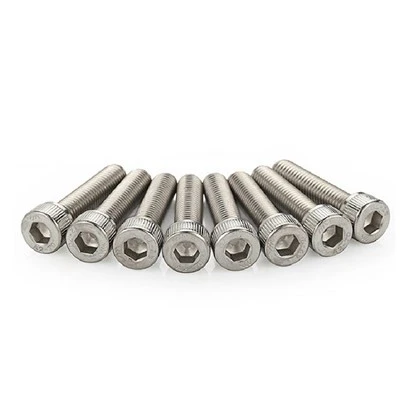
Now, let’s get to the stuff that confuses people: small fasteners, like the ones holding your interior panels, or brackets under the dash. Self-tapping screws, sheet metal bolts, even those tiny clip nuts—can you reuse those? Again, it depends. Self-tapping screws, for example, work by cutting their own threads into metal or plastic. If you pull one out and put it back into the exact same hole, no damage to the threads, it’s fine. But if you put it into a new hole, or the original threads are stripped, it’ll spin and won’t hold. I see this all the time with interior trim—guys pry a screw out, toss it back in the same spot, and it works great. But if you have to move a bracket, don’t force an old screw into a new hole; grab a new one. It’s worth the 10 cents, trust me. Also, don’t skip on grade here. Grade 5 bolts (the ones with 3 lines on the head) are for general use, Grade 8 (6 lines) is for high-stress areas. Reusing a Grade 8 bolt in a Grade 5 situation is probably okay, but never vice versa.
Pin Shaft Now, let’s talk about the red flags—signs that a fastener is too far gone to reuse. This is the stuff I always tell people to check before even thinking about tightening it again. First, visible damage: stripped threads (run a bolt gauge over it—if it doesn’t catch cleanly, trash it), bent shank (hold it up to a straight edge, if there’s a gap anywhere, it’s bad), or cracks, especially under the head or at the base of the threads. Second, rust or corrosion. Surface rust on a lug bolt? Maybe fine, but if rust has pitted the shank or filled the threads, it’s going to snap when you torque it—there’s not enough material left to hold. Third, if the fastener was removed using force—like if you had to heat it, use a breaker bar that snapped a ratchet, or it was rusted on so tight you had to drill it out. Using a lot of force during removal means the bolt was under way more stress than it’s designed for, so re
Wuyuan Jieyi Automotive Electrical Appliance Co., Ltd.
As one of the most professional automotive fasteners manufacturers and suppliers in China, we’re featured by quality products and good service. Please rest assured to wholesale bulk durable automotive fasteners in stock here from our factory. We also accept customized orders.
Address: No. 7 Likeng Road, Industrial Park Wuyuan County, Shangrao City, Jiangxi Province
E-mail: wyjydqz@163.com
WebSite: https://www.wyjydq.com/
