As a wood beam supplier with 12 years in the trade, I’ve lost count of how many times a customer has come to me saying, “I need a structural beam for my deck” or “I want exposed beams for my living room remodel”—and then hesitated when I ask, “Do you know what species you need?” More often than not, the answer is a blank stare. It’s easy to dismiss wood species as just a label, but for a supplier, and for anyone working with wood, nailing that determination is non-negotiable. I’ve seen projects fail because someone grabbed a pine beam thinking it could handle the load of a timber frame, or splurged on a rare hardwood when a more affordable, equally durable species would have worked better. Today, I’m breaking down how to determine a wood beam’s species—no fancy lab degree required, just the hands-on lessons I’ve learned on our yard floor and the trust I’ve built with architects, contractors, and DIYers over the years. Wood Beam
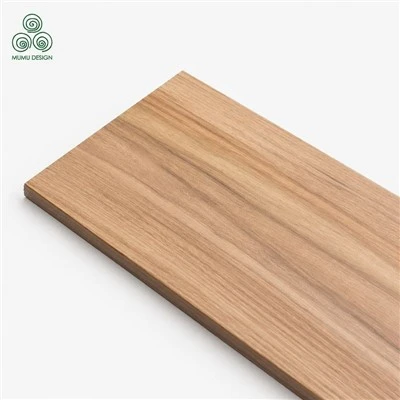
First, let’s start with why this matters. Wood species isn’t just a marketing term. It’s a direct link to three critical factors: strength, durability, and cost. A Douglas Fir beam, for example, has a higher tensile strength (that’s the ability to resist pulling forces) than, say, a Pine beam, which makes it ideal for floor joists or roof rafters. If you’re building a structure that needs to support heavy loads, skimping on species could lead to sagging, warping, or even structural failure down the line. On the flip side, if you’re using beams for interior aesthetic purposes—like exposed ceiling beams in a farmhouse-style home—you don’t need the industrial strength of a structural species; you might opt for Oak or Hemlock, which have a nice grain pattern without breaking the bank. Misidentifying a species can cost you thousands in replacements, not to mention the safety risk of a poorly built structure. That’s why taking the time to get this right isn’t just good practice—it’s good business for everyone involved.
The good news is that you don’t need a microscope or a PhD in wood science to identify a wood beam. Most of the time, you can do it right there on the job site or in our yard with five simple, easy-to-spot characteristics. Let’s walk through each one, starting with the most obvious: grain pattern and color.
Grain is the pattern of lines left by the tree’s growth rings, and it’s unique to each species. For example, Oak has a very distinct, wide grain with noticeable “rays”—those thin, light lines that look like brush strokes across the face of the beam. White Oak rays are even more prominent than Red Oak, and their color is a subtle tan with a hint of green, while Red Oak is a deeper, reddish-brown. Douglas Fir, on the other hand, has a finer, more uniform grain with darker, horizontal bands (called growth ring lines) that are often slightly wavy. It’s got a warm, yellowish-brown tone, not as bold as Oak. Pine beams, especially Southern Yellow Pine, have tight, fine grain with small knots that are often darker and more irregular—sometimes you’ll even see tiny resin pockets, which are those little dark spots that hold natural tree sap. Softwoods like Cedar have a lighter, almost pinkish tone, and their grain is very straight, with minimal variation. Hardwoods like Maple, used for smaller beams or trim, have a much tighter, finer grain and a pale cream color, almost no visible knots in clear grades.
But wait—color can be tricky. Sunlight, aging, and staining can change the way wood looks, so don’t rely on color alone. I’ve had customers bring beams that looked like Oak, turned out to be poplar that was stained to match. That’s why the next characteristic is just as important: hardness. This is where a simple scratch test comes in, and it’s something every contractor knows, but many DIYers miss. The Janka Hardness Score is a standard measurement of how resistant wood is to indentation, and it’s a great quick reference. You can buy a Janka chart online, but right here on the yard, I keep a laminated card with the most common species’ scores: Douglas Fir is about 660 lbf (pounds-force), White Oak is 1360 lbf, Southern Yellow Pine is 870 lbf, and Cedar is just 350 lbf. So how does the scratch test work? Take a common metal nail (a 16d common nail works well) and press the point firmly into the end grain of the beam. If the nail makes a deep, noticeable indent, it’s a softwood like Pine or Cedar. If it only makes a light mark, that’s a hardwood like Oak or Maple. For a more accurate test, take a nail and drag it across the face grain—if it leaves a scratch, it’s probably a lower Janka species. I once had a contractor come in asking for “hard Oak beams,” but when he did the scratch test on a sample I showed him, he realized he’d been using Pine for his last deck, which was why it had warped after two years. That small test saved him from wasting thousands on the wrong beams.
Next up, knots and growth ring pattern. This is my go-to when I’m looking at a beam in our yard. Knots form where a branch grew out of the tree trunk, and they’re unique to each species. Pine and Fir beams, especially structural grades, have large, tight knots that are often the same color as the wood around them—they don’t fall out because they’re grown into the trunk. Oak knots are smaller, more irregular, and they’re usually darker, sometimes with a hollow center if they’re dead knots (though structural Oak rarely has dead knots). Growth rings are another key. Slow-growth wood has narrower growth rings, which means it’s denser and stronger. Douglas Fir from the Pacific Northwest, for example, has growth rings so tight you can barely see them, while fast-growth Pine from the Southeast has much wider, looser rings. If you look at the end grain of a beam, count the rings per inch: 20 or more rings per inch means slow-growth, ideal for structural use. Less than 10 is fast-growth, best for non-structural aesthetic use. I always tell customers: if a beam’s end grain has wide, spaced-out rings, it’s going to be less strong than one with tight rings, no matter what the label says. That’s a quick visual check anyone can do.
Then there’s texture and smell. This might sound silly, but wood has a natural, distinct smell that fades over time, but fresh-cut beams will tell you a lot. Cedar has a very sharp, sweet, almost citrusy smell—everyone recognizes it, it’s the same as cedar chests or closet liners. Pine has a mild, resinous smell, often a little piney, not as strong as Cedar. Douglas Fir has a woody, slightly earthy smell, not as resinous as Pine. Oak has a mild, earthy smell too, but it’s more dense, so the smell is more subtle. I once had a customer who brought a beam he’d found in his grandfather’s barn, couldn’t identify it, and when he cut a small end off, the smell told me it was old growth Douglas Fir—something we source rarely now, and he ended up using it for his custom timber frame. Smell is especially helpful when color and grain are faded by age, like in reclaimed beams. That barn beam he had, for example, the color was so dark from 50 years of sitting outside you couldn’t tell the grain, but the smell gave it away immediately. For reclaimed wood, that’s a game-changer—no guesswork when you take a quick sniff.
Of course, these four tests work for fresh or modern beams, but what if you’re dealing with reclaimed wood? That’s a whole other category, because reclaimed beams have often been exposed to the elements, stained, or weathered, so their grain, color, and smell can be altered. For reclaimed wood, I add two more checks: end grain texture and sound. If you have a small sample of the end grain, look at it with a magnifying glass (even a phone camera zoom works) to see the pores. Hardwoods like Oak have large, visible pores that look like tiny holes on the end grain, while softwoods like Pine have very small, almost invisible pores. That’s a surefire way to tell them apart even if the beam is weathered. And the sound test: tap the beam with your knuckle. A hardwood beam will make a deeper, thudding sound, while a softwood will make a higher, lighter, tapping sound. I had a customer who was restoring a 100-year-old farmhouse and thought his beams were Oak, but when he tapped them, the sound was high and light, so we checked the end grain and found they were actually old growth Hemlock—still structurally sound, and he saved a ton of money because Hemlock is cheaper than Oak. That’s a common mistake with reclaimed wood, and the sound test avoids it.
Now, let’s tie this all together with a practical example. Let’s say you’re a contractor building a new deck. You need 12-foot beams that will support the deck floor and the weight of people, furniture, and snow. First, strength: you need a beam with a high enough Janka score to resist bending. Let’s run through the tests. Grain: look for tight growth rings, not wide ones. Hardness: do the nail test—if it doesn’t make a deep indent, it’s strong enough. Knots: look for tight, grown-in knots (called “live knots”), not loose dead knots. For a deck, you also need rot resistance, so Cedar is an option, but Douglas Fir is stronger and more affordable. Smell: fresh Douglas Fir has that earthy wood smell, not too resinous. If the beam is reclaimed, tap it—if the sound is deep, it’s a hardwood, but if it’s light, it’s softwood, and the end grain pores will confirm it. In this case, a Southern Yellow Pine might work too, but only if it’s structural grade (slow-growth, tight rings). If you were building interior exposed beams, say for a living room ceiling, strength is less important—you can go with Hemlock, which has a nice straight grain, or White Oak if you want that bold, rustic look. For that, you’d still check grain and hardness, but since it’s not structural, you can prioritize the aesthetic over the Janka score.
Wait, but what about when these tests don’t give a clear answer? Sometimes, two species look almost identical. For example, Douglas Fir and Hemlock are often confused, and White Oak and Ash can be too. That’s where having a trusted supplier matters, and that’s why we make sure every beam we sell is properly labeled. We don’t just slap a “structural beam” label on it—every stack in our yard has a clear tag with the species, grade, Janka score, and even where it’s sourced from (we work with Pacific Northwest mills for Douglas Fir, and Southern mills for Southern Yellow Pine, so we can guarantee consistency). We also offer free sample cuts for customers who want to do their own tests—bring a small sample home, do the scratch test, check the grain, and if you’re still not sure, just bring it back to us and we’ll help you identify it. For reclaimed wood, we work with local mills that specialize in antique beams, and they have years of experience identifying barn wood, so we can help customers there too.
I’ve seen too many people skip this step, and the consequences add up. A few years back, a DIYer came to our yard asking for “10 beams for a garage build.” He grabbed the cheapest ones we had, which were Pine, and installed them. Within a year, the beams started sagging, because Pine isn’t strong enough to support a garage roof with snow load. He ended up having to replace them, costing him twice as much as if he’d bought the right species the first time. That’s why I always tell customers: take 10 minutes to do these simple checks, or just ask us. We’ve been in this long enough, we can tell you what species is best for your project, whether it’s structural or aesthetic, and we’ll make sure you get the right one.
Another common question: does grade matter alongside species? Absolutely. Grade is about the quality of the wood—number of knots, straightness of grain, lack of defects. A #2 grade Douglas Fir is still Douglas Fir, but it has more knots than a Select Structural grade, so it’s cheaper. For a non-structural project, like a garden arch, a #2 grade works perfectly, but for floor joists, you need Select Structural. That’s why when you’re determining species, you also need to think about grade, but species is the foundation. You can have a high-grade softwood, but it’s still not as strong as a low-grade hardwood, so getting the species right is step one.

Let me wrap this up with some key takeaways that I’ve learned over the years. First, don’t rely on color alone—sunlight and staining change it. Second, use the scratch test for hardness, it’s quick and reliable. Third, grain and knots are unique to each species, so take a close look at growth rings. Fourth, smell and texture help a lot, especially for fresh or reclaimed wood. And fifth, when in doubt, reach out to your supplier—we’re here to help, not just sell you a beam.
Carbonized Wood At the end of the day, determining a wood beam’s species isn’t about being a wood expert—it’s about being informed. That beam is going to support your home, your deck, your custom interior, and it should do it for decades. Making the right choice now saves you time, money, and stress later. If you’re planning a project, whether it’s small or large, and you’re not sure which species beam you need, don’t hesitate to connect with us. We’ll walk you through the characteristics, offer free samples, and make sure you get exactly what your project requires, no guesswork, no mistakes.
References
- USDA Forest Products Laboratory. Wood Handbook: Wood as an Engineering Material. U.S. Department of Agriculture, 2010.
- Forest Service, U.S. Department of Agriculture. Common Tree Species of North America: Identification, Properties, and Uses. 2018.
- American Wood Council. Wood Design Manual: Structural Properties of Softwoods and Hardwoods. 2021.
- National Wood Flooring Association. Identification and Selection of Wood Species for Architectural Applications. 2019.
Dongguan Mumu WoodWork Co., Ltd.
As one of the most professional wood beam manufacturers and suppliers in China, we also support customized service. Please feel free to wholesale bulk high quality wood beam for sale here from our factory. Good service and low price are available.
Address: Room No.2602-2603, Unit 9B, Universal Commerce Center, Nancheng District, Dongguan City, Guangdong Province, China,523073
E-mail: sales@mumu-ing.com
WebSite: https://www.mumuthermowood.com/
