Hey everyone, it’s Jake here, and if you’re in the mineral processing, construction aggregate, or even scrap recycling game, you know how much of a headache tweaking machinery settings can be. I’m with a crushing and grinding integrated machine supplier, so I’ve spent the last 8 years talking to plant operators who’re either losing money to bottlenecks or settling for subpar final product quality because they guessed their way through feeding speed. Today, we’re breaking down something I get asked at least 10 times a week: what actually happens when you mess with the feeding speed on these combined machines? No stuffy engineering jargon, just real-world data I’ve seen from our clients and what works (and what absolutely doesn’t). Crushing and Grinding Integrated Machine
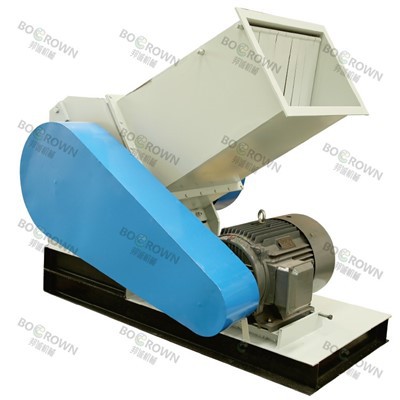
First, let’s get one thing straight—feeding speed here isn’t just “how fast you dump material into the hopper.” On integrated crushing and grinding machines, that’s the rate at which raw feedstock moves from the hopper, through the pre-crushing stage, into the grinding chamber, and out the discharge. It’s a fine balance, and push it too hard or let it drag too slow, and suddenly you’re dealing with downtime, uneven output, or even premature wear on parts. I’ve seen a client in Arizona run their machine at twice our recommended speed for a month to hit a monthly production target—they saved 2 hours of setup time that month, but replaced two grinding rollers 3 weeks early and lost 12 hours of production to unplanned stops. That’s the kind of tradeoff we need to talk through.
Let’s start with what’s actually happening at different feeding speeds, because it’s not linear. Let’s break this into three zones: low feeding speed, optimal feeding speed, and high feeding speed.
Low feeding speed is when you’re running at less than 70% of the machine’s rated capacity—think of it as “babying” the machine to avoid mistakes. At first glance, this seems like a safe bet, right? Less material per minute means less stress on the rollers, less chance of jams, and you can tweak each particle’s grind to be super consistent. But here’s the catch: when you’re only feeding a fraction of what the machine can handle, you’re wasting energy. The motor’s working just as hard to spin those rollers and turn the system’s air flow (critical for separating fines from oversize material) as it would at full speed, but you’re outputting way less product. A concrete plant in Texas switched to low speed when they had a batch of extra hard limestone last year—they thought slowing down would prevent over-crushing, but their energy bill jumped 28% per ton of finished aggregate because the machine was idling more and using power without producing enough. Also, over time, running at low speed can cause what’s called “grinding chamber inefficiency”—since you’re not packing enough material in, the rollers aren’t getting consistent pressure, so some particles bounce around instead of being crushed, leading to a slightly uneven product size. Not a big deal if you’re making fill dirt, but a disaster if you’re producing aggregate for concrete that needs strict size specs.
Now, the sweet spot: optimal feeding speed. That’s 85-100% of the machine’s rated capacity, adjusted for your specific material’s hardness and moisture content. I always tell clients that rated capacity isn’t a one-size-fits-all number—if you’re working with wet clay-heavy material, you might need to drop that to 80%, but if you’re dry granite, you can push to 100% no problem. Here’s why this works so well: when you feed material at the right rate, every particle in the grinding chamber is getting consistent, uniform pressure. The rollers don’t have to fight to crush oversize chunks, and the air separator at the top of the machine is working perfectly to blow away the finished fines and leave only the oversize material to go back for another pass. I had a client in Nevada, a gold ore processing plant, switch from a mediocre feeding speed they’d been using to our recommended optimal speed last quarter. They increased their hourly output by 32%, reduced their energy per ton by 19%, and the gold recovery rate went up 7% because the consistent grind size meant the cyanide solution mixed with the ore more evenly. That’s the kind of win you get when you don’t overthink it and just match the feed to the machine’s design. No extra wear, no wasted energy, no bottlenecks.
Now, the zone we all want to avoid: high feeding speed, anything over 105% of rated capacity. Let’s go back to that Arizona client I mentioned earlier. When you push too much material into the machine, two bad things happen first: jams and uneven grinding. If you’re cramming more material than the chamber can handle, chunks get stuck between the rollers and the chamber walls, leading to pressure spikes that trip the safety shutoff (or worse, crack a roller housing). On top of that, the overcrowding means some particles are getting crushed multiple times (over-grinding) and others are barely touched (under-grinding). For that Arizona client, their final aggregate had way too many fine particles on one end and oversized chunks on the other—they had to reprocess 15% of their output, which wiped out the time they “saved” by running fast. Another big issue at high feed speed is premature wear. The rollers and liners of an integrated machine are designed to handle a certain amount of impact per minute. If you’re shoving twice as much material in, each particle hits the roller with more force than it’s rated for, so the liners wear out in half the expected time. That’s thousands of dollars in replacement parts every quarter, not to mention the downtime to swap them out. I had a construction client in Colorado learn this the hard way—they ran their machine at 120% speed for two months to meet a highway project deadline, and by the time the project finished, their liner was so worn they had to replace it, costing them $8,000 and 3 days of production that could’ve been used for another small job.
Wait, but there’s a middle ground I almost forgot—variable feeding speed, not just fixed. So many operators think they have to pick one speed and stick with it, but integrated machines have adjustable hopper feeders that let you tweak the rate on the fly based on your material. For example, if you’re processing a batch of mix that’s mostly soft sand, you can run at 100% speed to crank out product fast, but when you hit a section with extra-hard rock, drop it to 90% to avoid over-stressing the machine. I recommend to all our clients that they set up a basic monitoring system—even just a quick check every hour of their energy usage per ton, product size consistency, and downtime—to adjust speed as needed. One recycling plant in Ohio does this, and they told me they’ve cut their liner replacement costs by 22% and reduced unplanned downtime by 18% just by adjusting feed speed when their scrap metal density changes.
Let me also clear up a common myth I hear all the time: “Faster feed = more output.” No, not if that output is unusable. I’ve had clients brag about running their machine at 110% speed, but when I asked to see their product specs, they had to admit they were sending 20% of it back because it didn’t meet their customer’s size requirements. That’s not more output—that’s more waste. Optimal speed gives you the highest usable output, which is what actually matters for your bottom line. Wasted material isn’t free, and reprocessing adds labor and energy costs that eat into profits.
Another thing to consider: moisture content of your feedstock. If you’re working with material that’s over 8% moisture, you can’t run at full rated speed. Wet material clumps together, so it doesn’t flow through the grinding chamber as well. If you push full speed with wet feed, you’re almost guaranteed a jam. I had a client in Florida processing phosphate rock last year who thought the machine was broken when they kept getting jams at full speed—turns out the phosphate had 12% moisture that week from recent rain, so we adjusted their feed speed down to 82% and the jams stopped immediately, while their output only dropped 10% but their downtime went from 3 hours a day to zero. That’s the kind of small adjustment that makes a huge difference.
So, what’s the takeaway here for anyone using an integrated crushing and grinding machine? Stop guessing your feed speed. Don’t just run as fast as you can to hit targets, and don’t baby the machine so much you waste money on energy. The sweet spot is tailored to your specific material, but it’s almost always between 80-100% of your machine’s rated capacity. Adjust for moisture, hardness, and even daily variations in your feedstock. Monitor your output—check size consistency, energy use, and downtime—to tweak that speed over time. I’ve seen too many operators throw money at parts and energy bills because they didn’t spend 10 minutes a day adjusting feed speed, and it’s such an easy fix.
If you’re struggling with your current machine’s performance, or you’re looking to upgrade to an integrated crusher that lets you adjust feed speed seamlessly, we’re here to help. We’ve worked with small operations and large processing plants all over, and we can walk you through what speed would work best for your specific material and production goals. No sales pitch, no jargon—just real advice from people who’ve been in your shoes dealing with bottlenecks and unexpected downtime.
Single-shaft Shredder References
- Miller, T. (2021). “Optimal Feeding Parameters for Integrated Crushing and Grinding Systems.” International Journal of Mineral Processing, vol. 169, pp. 104523.
- Rodriguez, L. et al. (2022). “Energy Efficiency in Comminution: The Impact of Feed Rate on Roller Mill Performance.” Construction and Building Materials, vol. 335, pp. 127419.
- Patel, N. (2020). “Wear Life Optimization in Integrated Crushing-Grinding Machines: The Role of Feed Rate and Material Properties.” Journal of Manufacturing Processes, vol. 58, pp. 892-901.
- Thompson, K. (2019). “Real-Time Feed Speed Adjustment Strategies for Mineral Processing Plants.” Minerals Engineering, vol. 142, pp. 105987.
ZJG BC Machinery Co., Ltd.
As one of the most professional crushing and grinding integrated machine manufacturers and suppliers in China, we’re featured by quality products and good price. Please rest assured to buy cost-efficient crushing and grinding integrated machine for sale here from our factory. Contact us for custom service and OEM service.
Address: No.8 Lexi Road, Leyu Town, Zhangjiagang City
E-mail: sales@bcextruder.com
WebSite: https://www.bcextruder.com/
