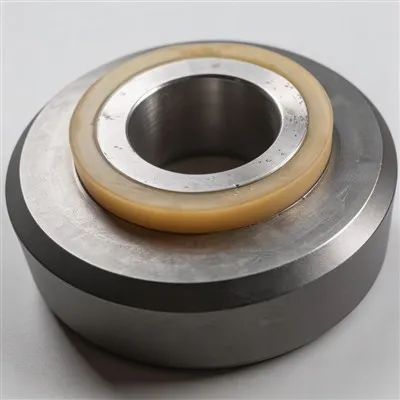
Damper Hey everyone, let’s cut to the chase because when it comes to marine gear, sealing stuff feels like the unsung hero that actually keeps everything from going sideways. As a sealing rubber supplier, I get tons of questions this time of year—like, “Can we just use regular rubber seals for our boat?” or “Is marine-grade sealing rubber even worth the extra cash?” Let’s break this down like we’re chatting over a coffee after a long day at the dock, no fancy lab jargon that makes your eyes cross. First off, let’s get one thing straight: not all sealing rubber is made for saltwater, constant wave smack, or that weird mix of sun and cold that happens offshore. But if you pick the right type? It’s basically the backbone of your entire vessel’s systems. Let’s start with why marine environments are such a nightmare for seals. If you’re boating, you’re dealing with two big headaches: saltwater corrosion and what marine engineers call “environmental exposure.” That means things like UV radiation baking the top layer of your rubber, temperature swings that go from sweltering midday to freezing at night, and constant contact with salt that eats away at most regular rubber like acid. Regular automotive rubber? That’s made for roads, not being dunked in saltwater for weeks. I’ve seen guys slap a random rubber seal on their engine’s cooling line or their hatch’s drain and come back a month later to a flooded bilge. Total nightmare. So what types of sealing rubber actually work for marine use? Let’s run through the big ones, no fancy names that’ll make you google mid-sentence. First, EPDM—you’ve probably heard of this, it’s the stuff used in boat hoses and window seals. EPDM stands for Ethylene Propylene Diene Monomer, and it’s great because it resists UV, salt, and even that random oil or gas leak you might get from the engine. I use this all the time for hatch gaskets and deck plate seals because it stays flexible even when it’s 30 degrees out, which is way better than old natural rubber that turns to rock. Then there’s Silicone—yep, the same stuff you use to caulk your bathroom, but marine-grade silicone is different. It’s perfect for high-temperature stuff, like the seals around your exhaust manifold or the thermostat housing, because it can handle heat way better than EPDM. The downside? Silicone can’t handle constant saltwater immersion as well, so you don’t want to use it for a raw water pump seal that’s always under water. Next up, Nitrile (or Buna-N)—this is the oil-resistant one. If you’ve got a fuel system, hydraulic lines, or anything that’s going to be in contact with gasoline, diesel, or hydraulic fluid? Nitrile’s your guy. I swear by nitrile for engine fuel line seals because it doesn’t break down when it’s sitting next to a hot fuel injector. But it’s not great for UV, so don’t use it for a deck seal that’s out in the sun all day. And let’s not forget Viton—this is the heavy hitter. It’s made for super harsh environments, like if you’re boating in really hot climates or dealing with corrosive chemicals in your onboard systems. I don’t recommend it for every part, but it’s perfect for things like high-pressure hydraulic seals on fishing boats that pull heavy gear. The key here is matching the seal to the part, not just grabbing whatever’s on the shelf. Now, let’s talk about the actual uses—because I know half of you are thinking, “Where do I even need these seals on my boat?” Let’s list the big ones that I get asked about nonstop. First, engine systems: cooling lines, fuel pumps, exhaust manifolds, hydraulic steering. A bad seal here can lead to overheating, fuel leaks, or even steering failure—none of which you want 10 miles offshore. Then there’s deck hardware: hatches, windows, ports, drain plugs. A leaky hatch gasket isn’t just annoying; it can flood your cabin, your electronics, and turn a weekend cruise into a disaster. I had a customer a couple years back who skipped upgrading his rubber hatch seal and ended up with two inches of water in his boat during a storm—lost half his gear and had to dry out his engine for weeks. Total avoidable. Next, underwater components: propeller shafts, trim tabs, bilge pumps, through-hull fittings. These seals are what keep saltwater from getting into the parts that move or pierce the hull. A failed seal on a prop shaft can mean you’re stuck bailing while the current takes you places you don’t want to go. And don’t forget about accessories: your refrigerator seals, your deck lights, even the seals on your fishing rod holders. People sleep on these small ones, but a bad seal on a rod holder can let water in and ruin your expensive reels. Now, let’s address the elephant in the room: what about DIY vs. professional? I get it, not everyone’s a marine engineer, and some of you like to work on your own boat to save cash. But here’s the thing—using the wrong sealing rubber can cost you way more in the long run. I’ve had DIY guys come to me after buying a cheap seal from a hardware store, saying it fell apart in two months. Marine-grade sealing rubber isn’t always cheap, but it’s made to last. When you’re picking a seal, check the specs: look for something labeled “marine-grade,” ask if it’s rated for saltwater immersion, UV resistance, and the temperature range you deal with where you boat. If you’re not sure, just shoot me a message—I don’t mind helping, even if you end up buying from someone else (though obviously I’d love to work with you). Another thing people don’t talk about is installation. A seal is only as good as how you put it on. You can have the best EPDM hatch gasket in the world, but if you stretch it too tight when you install it, it’ll crack and fail in no time. Or if you don’t clean the surface before putting it on, the seal won’t stick and will leak. I always tell customers to take their time, measure twice, and if it’s a tricky part (like a prop shaft seal), maybe get a pro to help. It’s worth the extra 100 bucks to avoid a $10,000 repair later. Now, what about common myths? Let’s bust a couple right now. Myth #1: “Silicone is better for everything because it’s flexible.” No, like I said earlier, silicone breaks down if it’s submerged in saltwater for too long. It’s great for high temp, not for immersion. Myth #2: “I can just use a big rubber band or cut a piece of old tire for a quick fix.” Uh-uh. Tires are made for roads, not constant water exposure. They’ll dry rot, crack, and fail faster than you can say “anchor dropped.” Quick fixes might work for a day, but they’re not long-term. Myth #3: “All marine sealing rubber is the same.” Nope, like I listed earlier, EPDM, nitrile, silicone, Viton—they all have different uses. Using nitrile for a window seal? It’ll turn into a gummy mess in the sun. Using EPDM for a fuel line? It’ll swell up from the gas and leak. So what’s the future of marine sealing rubber? I’ve been seeing a lot of new stuff lately, like synthetic blends that are even more resistant to salt and UV, and even seals that self-heal a little if they get a small cut. But even with all that, the basics still hold: match the rubber to the application, buy marine-grade, and install it right. Here’s the thing I tell every boat owner I talk to: your boat is an investment. Whether you use it for weekend cruises, deep-sea fishing, or just tooling around the bay, taking care of the small stuff—like seals—saves you from the big headaches. I’ve been in this game as a sealing rubber supplier for years, and I’ve seen firsthand how a bad seal can ruin a season, or worse. But when you use the right sealing rubber for marine applications? It’s one of the most reliable parts of your entire vessel. If you’re not sure what kind of seal you need for a specific part, or you want to order high-quality marine-grade sealing rubber, just reach out. I’m here to help you pick the right product for your boat, no pressure. Don’t wait until you’re bailing water at the dock to figure out your seals—be proactive, and your boat will thank you for it. Now go check those hatches, grab a coffee, and enjoy the rest of your boating season. And if you have any questions, hit me up anytime.
References: Sealing Rubber

- National Marine Manufacturers Association. (2021). Marine Grade Elastomer Seal Performance Standards. NMMA Technical Bulletin.
- Society of Automotive Engineers. (2019). Elastomer Compatibility for Marine Environments. SAE International Journal of Materials and Manufacturing.
- American Boat and Yacht Council. (2020). Sealing Systems for Marine Vessel Hulls and Machinery. ABYC Standard E-11.
Tianjin TGE BIAM Graphene Technology Co., Ltd.
Tianjin TGE BIAM Graphene Technology Co., Ltd. is one of the most professional sealing rubber manufacturers and suppliers in China, also supports customized service. Please feel free to buy bulk advanced sealing rubber in stock here from our factory. For quotation, contact us now.
Address: No. 24 Sanjing Road, Dongli Development Zone, Tianjin City, China.
E-mail: sales@tge-tj.com
WebSite: https://www.tge-valve.com/
