Can copper core cables be used in oil and gas industry applications? Copper Core Cable

As a supplier of copper core cables, I’ve often been asked whether our products are suitable for the oil and gas industry. It’s an important question, considering the unique and demanding environment of this sector. In this blog post, I’ll explore the viability of using copper core cables in oil and gas applications, delving into their properties, advantages, potential challenges, and real – world performance.
Properties of Copper Core Cables
Copper is a well – known and widely used material in the cable industry. One of the most significant properties of copper is its excellent electrical conductivity. It ranks among the top conductors, second only to silver. This high electrical conductivity means that copper core cables can efficiently transmit electrical power with minimal loss. In the oil and gas industry, where large amounts of energy need to be transferred over long distances to power various equipment such as pumps, compressors, and control systems, the low resistance of copper cables is a major advantage. It helps in reducing energy consumption and improving the overall efficiency of the electrical systems.
Another important property of copper is its mechanical strength. Copper is a ductile and malleable metal, which allows it to be drawn into thin wires without losing its integrity. This means that copper core cables can be manufactured in various sizes and configurations to suit different installation requirements. In the harsh conditions of oil and gas fields, where cables may be subjected to bending, pulling, and other mechanical stresses during installation and operation, the mechanical strength of copper helps ensure the long – term reliability of the cables.
Copper also has good corrosion resistance. Although not as corrosion – resistant as some specialized alloys in highly aggressive environments, it can withstand normal levels of moisture and chemical exposure. In many onshore and offshore oil and gas facilities, there are areas where the environment is relatively normal, and copper core cables can operate effectively for extended periods. However, it’s important to note that in more corrosive environments, additional protection methods may be required.
Advantages of Copper Core Cables in Oil and Gas Applications
Voltage Stability
In the oil and gas industry, maintaining stable voltage is crucial for the proper functioning of electrical equipment. Copper core cables, with their low resistance and high conductivity, can help maintain a stable voltage level even over long distances. This is particularly important for sensitive control systems and instrumentation devices, which can malfunction if the voltage fluctuates beyond a certain range. For example, in a remote oil well, the control system that monitors and regulates the pumping operations relies on a stable power supply. Copper cables can provide the necessary power with minimal voltage drop, ensuring the smooth operation of the system.
High Current – Carrying Capacity
Many of the machines and equipment used in the oil and gas industry require a large amount of electrical current to operate. Copper core cables have a high current – carrying capacity, which means they can safely transmit large amounts of electrical current without overheating. This is essential for powering heavy – duty equipment such as electric motors used in pumps and compressors. For instance, in an offshore platform, the main processing equipment often has high – power requirements. Copper cables can handle these high currents, reducing the risk of electrical failures caused by overheating.
Compatibility with Existing Systems
The oil and gas industry has a long – standing history of using electrical systems. Many existing installations are designed to work with copper – based cables. Therefore, using copper core cables in new projects or when upgrading existing systems offers a high degree of compatibility. This reduces the need for extensive re – engineering and modifications to the existing electrical infrastructure. For example, if a company wants to expand an onshore oil refinery, it can use copper core cables to connect the new equipment to the existing power grid with relatively little difficulty.
Potential Challenges and Mitigation Strategies
Corrosion in Harsh Environments
As mentioned earlier, although copper has some corrosion resistance, the oil and gas industry often presents highly corrosive environments. Offshore platforms, in particular, are exposed to saltwater, which can accelerate the corrosion of copper. To mitigate this problem, copper core cables can be coated with anti – corrosion materials. For example, a polymer – based coating can provide a protective barrier between the copper conductor and the corrosive environment. Additionally, cables can be installed in protective conduits or trays that offer an extra layer of protection against corrosion.
Fire and Safety Requirements
The oil and gas industry has strict fire and safety regulations. In the event of a fire, cables should not propagate the flame and should limit the release of toxic gases. Copper core cables can be designed to meet these requirements. Fire – resistant insulation materials can be used to coat the copper conductors. For example, some cables use mica – based insulation, which has excellent fire – resistant properties. These cables can maintain their electrical integrity for a certain period during a fire, allowing for a safe shutdown of the electrical systems and evacuation of personnel.
Cost Considerations
Copper is a relatively expensive material compared to some other conductors such as aluminum. This can increase the initial investment cost of using copper core cables in oil and gas projects. However, it’s important to consider the long – term benefits. The high efficiency, low maintenance requirements, and long service life of copper core cables can result in significant cost savings over the life of the project. For example, the reduced energy consumption due to the low resistance of copper cables can lead to lower electricity bills over time.
Real – World Performance and Case Studies
There are numerous real – world examples that demonstrate the successful use of copper core cables in the oil and gas industry. In a large – scale onshore oil field in the Middle East, copper core cables were used to power the entire production facility. These cables have been in operation for over a decade and have shown excellent performance. The low voltage drop across the cables has ensured the stable operation of all electrical equipment, and the corrosion – protection measures have effectively prevented damage to the cables.
In an offshore platform in the North Sea, copper core cables with fire – resistant insulation were installed. During a minor fire incident, these cables maintained their functionality for the required period, allowing the operators to safely shut down the electrical systems and prevent further damage. This incident highlighted the importance of using high – quality copper core cables that meet strict safety standards in the oil and gas industry.
Conclusion
In conclusion, copper core cables can indeed be used in oil and gas industry applications. Their excellent electrical conductivity, mechanical strength, and other properties make them well – suited for the demanding requirements of this sector. Although there are some potential challenges such as corrosion and cost, these can be effectively addressed through appropriate mitigation strategies. The real – world performance of copper core cables in oil and gas projects has proven their reliability and effectiveness.
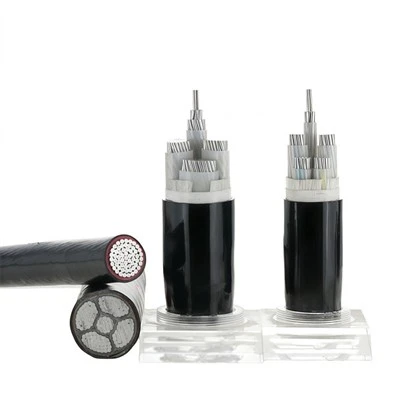
If you’re involved in an oil and gas project and are considering the use of cables, I encourage you to reach out to discuss your specific needs. Our team of experts can provide you with detailed information about our copper core cables, including their specifications, performance, and how they can be customized to meet your project requirements. Contact us to start a procurement discussion and find the best cable solutions for your oil and gas applications.
Aluminum Alloy Cable References
- Grover, A. (2021). Electrical Conductor Handbook. Elsevier.
- National Fire Protection Association. (2020). NFPA 70: National Electrical Code.
- Aluminum Association. (2022). Comparison of Aluminum and Copper Conductors.
Hebei Fengbo Electrical Equipment Co., Ltd.
As one of the most professional copper core cable manufacturers and suppliers in China, we warmly welcome you to wholesale durable copper core cable for sale here and get quotation from our factory. All custom made cables are with high quality and competitive price. Also, OEM service is available.
Address: No.100 meters south, East Ring Road & Wei’er Road intersection, Huang’erying East Village, Jiajiakou Town, Ningjin County, Xingtai City, Hebei Province, China
E-mail: fonbocable@gmail.com
WebSite: https://www.fonbocable.com/
