Swing chains are an essential component in various applications, from playground swings to industrial equipment. As a supplier of high – quality swing chains, I understand that customers may encounter a range of problems with these chains over time. In this blog post, I’ll share some practical tips on how to troubleshoot common swing chain problems. Swing Chains

1. Rust and Corrosion
One of the most prevalent issues with swing chains is rust and corrosion. Rust not only affects the aesthetic appearance of the chain but also weakens its structural integrity.
Causes
- Exposure to Moisture: Swing chains that are installed outdoors are constantly exposed to rain, humidity, or dew. When metal comes into contact with water and oxygen, a chemical reaction occurs, leading to the formation of rust.
- Poor Coating: If the chain was not properly coated during the manufacturing process, it is more vulnerable to rust and corrosion.
Troubleshooting Steps
- Visual Inspection: Regularly examine the chain for signs of rust. Look for orange – brown spots on the surface of the links. If you notice only minor rust, you can start by cleaning the affected areas.
- Cleaning: Use a wire brush to gently scrub off the loose rust. For more stubborn rust, you can soak the chain in a rust – removing solution. After soaking, rinse the chain thoroughly with clean water and dry it completely to prevent further rusting.
- Re – coating: Once the chain is clean and dry, apply a protective coating. You can use a rust – resistant paint or a specialized chain lubricant with anti – corrosion properties. Make sure to cover all the links evenly.
2. Chain Wear and Tear
Over time, swing chains can experience wear and tear due to continuous use and friction.
Causes
- Frequent Use: In playgrounds or other high – traffic areas, swing chains are used repeatedly. This constant movement causes the links to rub against each other, leading to wear.
- Incorrect Installation: If the chain is not installed properly, it may be under uneven tension. This uneven stress can accelerate wear and tear in certain areas of the chain.
Troubleshooting Steps
- Measure Link Dimensions: Use a caliper to measure the thickness of the chain links. Compare the measurements with the original specifications. If the links have worn down beyond a safe limit, it’s time to replace the chain.
- Check for Loose Links: Inspect the chain for any loose or damaged links. A loose link can cause the chain to malfunction or even break. If you find a loose link, you can try to tighten it using appropriate tools. However, if the link is severely damaged, it’s best to replace the entire chain.
- Adjust Tension: Ensure that the chain is properly tensioned. If it’s too loose, it can swing erratically and cause excessive wear. If it’s too tight, it can put unnecessary stress on the chain and the supporting structure. Refer to the installation guide for the correct tensioning method.
3. Noise and Squeaking
A noisy swing chain can be annoying and may also indicate an underlying problem.
Causes
- Lack of Lubrication: Without proper lubrication, the metal links of the chain rub against each other, creating friction and noise.
- Debris and Dirt: Dirt, sand, or other debris can get trapped between the chain links, causing them to rub unevenly and produce a squeaking sound.
Troubleshooting Steps
- Lubrication: Apply a suitable lubricant to the chain. You can use a silicone – based lubricant or a specialized chain lubricant. Make sure to work the lubricant into all the links by moving the chain back and forth. This will reduce friction and eliminate the noise.
- Clean the Chain: If debris is the cause of the noise, clean the chain thoroughly. You can use a mild detergent and a brush to remove the dirt. Rinse the chain well and dry it before applying lubricant.
4. Chain Breakage
Chain breakage is the most serious problem that can occur with swing chains. It can pose a significant safety risk, especially in playground or industrial settings.
Causes
- Excessive Load: If the swing chain is subjected to a load that exceeds its maximum capacity, it can break. This can happen if too many people use a playground swing at once or if heavy equipment is attached to an industrial chain.
- Severe Wear and Tear: As mentioned earlier, extensive wear and tear can weaken the chain to the point where it breaks under normal use.
Troubleshooting Steps
- Inspect After Breakage: Carefully examine the broken ends of the chain. Look for signs of excessive wear, corrosion, or any manufacturing defects. This can help you determine the cause of the breakage.
- Replace the Chain: In most cases, if the chain has broken, it needs to be replaced. When choosing a replacement chain, make sure to select one with the appropriate strength and size for your application.
5. Misaligned Chains
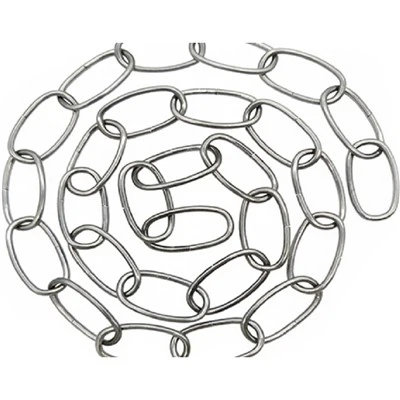
A misaligned chain can cause uneven wear and may also affect the performance of the swing.
Causes
- Improper Installation: If the chain is not installed correctly, it may be misaligned. This can happen if the mounting points are not level or if the chain is not attached properly.
- External Forces: Accidental bumps or impacts can cause the chain to become misaligned.
Troubleshooting Steps
- Visual Alignment Check: Stand back and visually inspect the chain. It should hang straight and evenly on both sides. If you notice that the chain is tilted or twisted, it is misaligned.
- Adjust the Mounting Points: If the misalignment is due to uneven mounting points, adjust them to ensure they are level. You may need to use a spirit level to check the alignment.
- Re – attach the Chain: Make sure the chain is properly attached to the swing and the supporting structure. Check the hooks or connectors to ensure they are secure and in the correct position.
Swing Chains As a trusted supplier of swing chains, we are committed to providing our customers with high – quality products and excellent after – sales support. If you are experiencing any problems with your swing chains or are in the process of sourcing new chains for your project, we would love to hear from you. Our team of experts is ready to assist you in selecting the right chain for your specific needs and can offer valuable advice on installation, maintenance, and troubleshooting. Don’t hesitate to reach out to us for a detailed discussion about your requirements and to explore the possibilities of a successful partnership.
References
- ASTM International. (20XX). Standards for playground equipment safety and chain materials.
- Machinery’s Handbook. (20XX). A comprehensive guide to mechanical engineering, including chain design and maintenance.
- National Hardware Association. (20XX). Best practices for chain installation and maintenance in outdoor applications.
Pujiang Shenli Chain Co., Ltd.
We’re well-known as one of the most experienced swing chains suppliers in China, featured by quality products and low price. Please feel free to buy discount swing chains made in China here from our factory. Contact us for more details.
Address: No. 18, Zaifeng Road, Pujiang County, Zhejiang Province
E-mail: Chen@shenlichain.com
WebSite: https://www.chainshenli.com/
