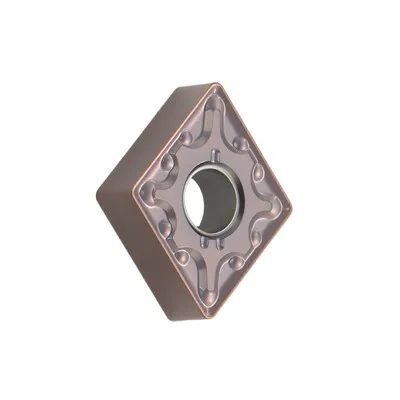
Milling cutting is a fundamental process in the manufacturing industry, used to shape and finish a wide range of materials. As a reliable milling cutting tool supplier, I understand the challenges that manufacturers face when it comes to tool wear. Tool wear not only affects the quality of the machined parts but also increases production costs and downtime. In this blog, I will share some effective strategies to prevent tool wear in milling cutting, based on my years of experience in the industry. Milling Cutting
Understanding Tool Wear in Milling Cutting
Before delving into the prevention methods, it is essential to understand the different types of tool wear that can occur during milling cutting. There are three main types of tool wear:
- Abrasive Wear: This is the most common type of tool wear, caused by the friction between the cutting tool and the workpiece. As the tool cuts through the material, hard particles in the workpiece can scratch and abrade the cutting edge, leading to gradual wear.
- Adhesive Wear: Adhesive wear occurs when the tool and the workpiece materials stick together under high pressure and temperature. This can cause chunks of the cutting edge to break off, resulting in rapid tool wear.
- Diffusion Wear: Diffusion wear is a chemical process that occurs at high temperatures. At elevated temperatures, the atoms from the tool material can diffuse into the workpiece material and vice versa, weakening the cutting edge and causing wear.
Factors Affecting Tool Wear
Several factors can contribute to tool wear in milling cutting. Understanding these factors is crucial for implementing effective prevention strategies. Some of the key factors include:
- Cutting Speed: The cutting speed is one of the most significant factors affecting tool wear. Higher cutting speeds generate more heat and friction, which can accelerate tool wear. It is important to select the appropriate cutting speed based on the workpiece material, tool material, and cutting conditions.
- Feed Rate: The feed rate refers to the distance the tool travels per revolution. A higher feed rate can increase the cutting force and cause more wear on the tool. It is essential to balance the feed rate with the cutting speed to optimize tool life.
- Depth of Cut: The depth of cut is the thickness of the material removed in a single pass. A larger depth of cut can increase the cutting force and tool wear. It is generally recommended to use a smaller depth of cut and make multiple passes to reduce tool wear.
- Workpiece Material: The properties of the workpiece material, such as hardness, toughness, and heat conductivity, can have a significant impact on tool wear. Harder materials tend to cause more wear on the cutting tool, while materials with poor heat conductivity can generate more heat during cutting, leading to faster tool wear.
- Cutting Fluid: Cutting fluid plays a crucial role in reducing tool wear by lubricating the cutting edge, reducing friction, and dissipating heat. Using the appropriate cutting fluid and applying it correctly can significantly extend tool life.
Strategies to Prevent Tool Wear
Now that we have a better understanding of the types of tool wear and the factors that affect it, let’s explore some effective strategies to prevent tool wear in milling cutting.
Optimal Tool Selection
- Choose the Right Tool Material: Selecting the appropriate tool material is essential for preventing tool wear. Different tool materials have different properties, such as hardness, toughness, and heat resistance. For example, carbide tools are commonly used for milling cutting due to their high hardness and wear resistance. However, for certain applications, such as machining high-temperature alloys, ceramic or cubic boron nitride (CBN) tools may be more suitable.
- Consider the Tool Geometry: The tool geometry, including the rake angle, clearance angle, and cutting edge radius, can also affect tool wear. A well-designed tool geometry can reduce cutting forces, improve chip evacuation, and minimize the risk of tool breakage. It is important to choose a tool with the appropriate geometry for the specific milling operation.
Proper Cutting Parameters
- Optimize Cutting Speed and Feed Rate: As mentioned earlier, the cutting speed and feed rate have a significant impact on tool wear. It is important to select the optimal cutting speed and feed rate based on the workpiece material, tool material, and cutting conditions. Using a cutting speed calculator or consulting the tool manufacturer’s recommendations can help determine the appropriate cutting parameters.
- Control the Depth of Cut: To minimize tool wear, it is generally recommended to use a smaller depth of cut and make multiple passes. This reduces the cutting force and heat generation, prolonging the tool life. However, the depth of cut should also be sufficient to achieve the desired machining accuracy and surface finish.
Effective Cutting Fluid Application
- Use the Right Cutting Fluid: Selecting the appropriate cutting fluid is crucial for reducing tool wear. Different cutting fluids have different properties, such as lubrication, cooling, and chip flushing. For example, water-soluble cutting fluids are commonly used for general milling applications, while straight oils may be more suitable for heavy-duty machining. It is important to choose a cutting fluid that is compatible with the workpiece material and tool material.
- Apply the Cutting Fluid Correctly: Proper application of the cutting fluid is also important for preventing tool wear. The cutting fluid should be applied directly to the cutting zone to ensure effective lubrication and cooling. This can be achieved using flood cooling, mist cooling, or through-tool coolant delivery systems.
Regular Tool Maintenance
- Inspect the Tools Regularly: Regular inspection of the cutting tools is essential for detecting early signs of wear and damage. This allows for timely replacement of the tools, preventing further damage to the workpiece and reducing the risk of tool breakage. Visual inspection, as well as using tools such as microscopes and tool wear gauges, can help identify wear patterns and determine the appropriate time for tool replacement.
- Sharpen or Recondition the Tools: When the cutting tools show signs of wear, they can be sharpened or reconditioned to restore their cutting performance. This can significantly extend the tool life and reduce costs. However, it is important to ensure that the tools are sharpened or reconditioned properly to maintain their geometry and performance.
Workpiece Preparation
- Machine Clean Workpieces: Contaminants on the workpiece surface, such as rust, scale, and dirt, can increase tool wear. It is important to clean the workpieces before machining to remove any contaminants. This can be achieved using methods such as grinding, sandblasting, or chemical cleaning.
- Use Proper Fixturing: Proper fixturing is essential for ensuring the stability of the workpiece during machining. A stable workpiece reduces vibration and chatter, which can cause tool wear. It is important to use fixtures that provide adequate support and clamping force to hold the workpiece securely in place.
Importance of Preventing Tool Wear
Preventing tool wear is not only important for reducing production costs but also for improving the quality of the machined parts. Here are some key benefits of preventing tool wear:
- Cost Savings: By extending the tool life, manufacturers can reduce the frequency of tool replacement, resulting in significant cost savings. Additionally, preventing tool wear can also reduce downtime caused by tool changes, increasing productivity and overall efficiency.
- Improved Part Quality: Worn tools can produce poor surface finishes, dimensional inaccuracies, and burrs on the machined parts. By preventing tool wear, manufacturers can ensure consistent part quality and meet the required specifications.
- Enhanced Productivity: Worn tools require more cutting force and may cause the machine to operate at a lower speed, resulting in reduced productivity. By using sharp and well-maintained tools, manufacturers can increase cutting speeds and feed rates, improving productivity.
Conclusion
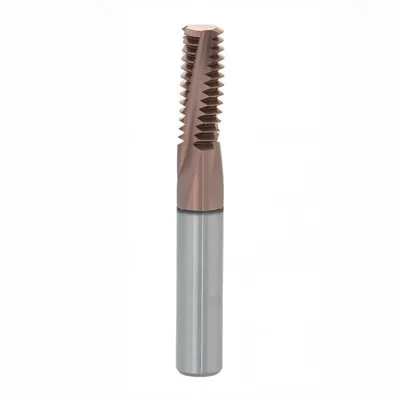
As a milling cutting tool supplier, I am committed to helping manufacturers prevent tool wear and optimize their machining processes. By understanding the types of tool wear, the factors that affect it, and implementing the strategies outlined in this blog, manufacturers can significantly extend tool life, reduce production costs, and improve the quality of their machined parts.
Milling Inserts If you are interested in learning more about our milling cutting tools or need advice on preventing tool wear in your specific application, I encourage you to contact me for a discussion. Our team of experts is ready to provide you with the knowledge and support you need to achieve the best results in your milling cutting operations.
References
- Trent, E. M., & Wright, P. K. (2000). Metal cutting. Butterworth-Heinemann.
- Stephenson, D. A., & Agapiou, J. S. (2006). Metal cutting theory and practice. CRC Press.
- Kalpakjian, S., & Schmid, S. R. (2010). Manufacturing engineering and technology. Pearson Prentice Hall.
Small Craftsman (Shandong) Machine & Tools Co., Ltd.
Small Craftsman (Shandong) Machine & Tools Co., Ltd. is one of the most experienced milling cutting manufacturers and suppliers in China, also supports customized service with low price. Please feel free to buy bulk high quality milling cutting in stock here from our factory. Contact us for pricelist.
Address: No.9 Quanxin Rd., Sishui Economic Developing Zone, Jining, Shandong, China.
E-mail: 6196@ocutchina.com
WebSite: https://www.ocutooling.com/
