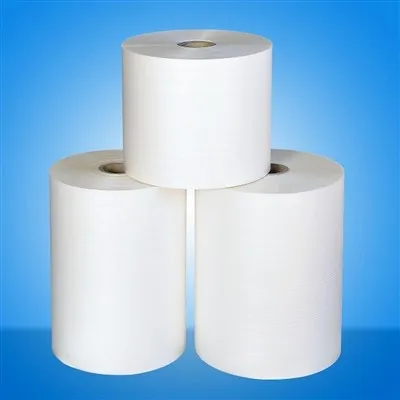
In the realm of label protection and enhancement, thermal laminating film has emerged as a popular choice for many industries. As a supplier of thermal laminating film, I often encounter the question: "Can thermal laminating film be used for laminating labels?" In this blog post, I will delve into the details of using thermal laminating film for labels, exploring its advantages, limitations, and best practices. Thermal Laminating Film

Understanding Thermal Laminating Film
Thermal laminating film is a type of plastic film that is designed to be bonded to a substrate using heat. It typically consists of a base film and an adhesive layer. When heated, the adhesive layer melts and adheres to the substrate, creating a protective and durable laminate. Thermal laminating films come in various thicknesses, finishes (such as gloss, matte, and satin), and materials (such as polyester, polypropylene, and PVC).
Advantages of Using Thermal Laminating Film for Labels
- Protection: One of the primary benefits of using thermal laminating film for labels is protection. The laminate acts as a barrier against moisture, dirt, scratches, and UV rays, which can extend the lifespan of the label. This is particularly important for labels that are exposed to harsh environments, such as outdoor labels, industrial labels, and food packaging labels.
- Enhanced Appearance: Thermal laminating film can improve the visual appeal of labels. Glossy finishes can make colors more vibrant and give the label a professional and high – end look, while matte finishes can provide a sophisticated and non – reflective appearance. Satin finishes offer a balance between the two, providing a soft sheen.
- Durability: Laminated labels are more resistant to wear and tear. They can withstand handling, friction, and abrasion better than non – laminated labels. This is crucial for labels on products that are frequently touched or moved, such as consumer goods and electronic devices.
- Print Protection: The laminate helps to protect the printed graphics and text on the label. It prevents smudging, fading, and peeling of the ink, ensuring that the label remains legible and attractive throughout its use.
- Customization: Thermal laminating films can be customized to meet specific requirements. They can be cut to different sizes and shapes, and some films can be printed on before or after lamination, allowing for additional branding and information.
Limitations of Using Thermal Laminating Film for Labels
- Cost: Thermal laminating film adds to the overall cost of label production. The film itself, along with the equipment required for lamination, can increase the expense. This may be a limiting factor for small – scale label production or for applications where cost is a major concern.
- Heat Sensitivity: Some labels may be sensitive to the heat required for thermal lamination. Certain materials, such as heat – sensitive paper or substrates with heat – sensitive adhesives, may warp, shrink, or discolor during the lamination process.
- Air Bubbles and Wrinkles: Achieving a bubble – free and wrinkle – free lamination can be challenging. Improper handling of the film or the substrate, incorrect lamination temperature, or uneven pressure during the lamination process can result in the appearance of air bubbles or wrinkles on the label, which can affect its aesthetic appeal and functionality.
- Thickness and Flexibility: Laminating a label adds thickness and can reduce its flexibility. This may be a problem for labels that need to be applied to curved or irregular surfaces, as the laminate may not conform well.
Compatibility with Different Label Types
- Paper Labels: Paper labels are one of the most common types of labels, and thermal laminating film can be used effectively with them. However, as mentioned earlier, heat – sensitive papers may require special consideration. For regular paper labels, thermal lamination provides excellent protection and enhances the appearance.
- Plastic Labels: Plastic labels, such as those made of polyester, polypropylene, or PVC, are also compatible with thermal laminating film. In fact, laminating plastic labels can further improve their durability and resistance to environmental factors. The choice of film should be based on the type of plastic substrate to ensure good adhesion.
- Fabric Labels: Thermal laminating film can be used with fabric labels to provide a degree of protection and a different look. However, the heat and pressure during lamination may affect the fabric’s texture and flexibility, so testing is recommended before large – scale production.
Best Practices for Laminating Labels with Thermal Laminating Film
- Substrate Preparation: Ensure that the label substrate is clean, dry, and free of dust and debris. Any contaminants on the substrate can prevent proper adhesion of the laminating film.
- Film Selection: Choose the appropriate thermal laminating film based on the label’s requirements. Consider factors such as thickness, finish, and compatibility with the substrate. For labels that will be exposed to sunlight, a film with UV protection is recommended.
- Lamination Equipment: Use high – quality lamination equipment that can provide consistent heat and pressure. Follow the manufacturer’s instructions for operating the equipment, including setting the correct temperature and speed for the specific film and substrate combination.
- Testing: Before laminating a large batch of labels, conduct a test run on a small sample. This allows you to check for any issues such as air bubbles, wrinkles, or discoloration and make adjustments as needed.
- Handling: Handle the laminated labels carefully after the lamination process. Allow them to cool completely before further processing or application to prevent damage.
Conclusion
In conclusion, thermal laminating film can indeed be used for laminating labels, offering numerous benefits in terms of protection, appearance, and durability. However, it also has some limitations that need to be considered, such as cost and heat sensitivity. By understanding the compatibility of thermal laminating film with different label types and following best practices, you can achieve high – quality laminated labels that meet your specific needs.
Thermal Laminating Film If you are interested in exploring the use of thermal laminating film for your label applications or have any questions about our products, I encourage you to reach out to us for a detailed discussion. We are committed to providing you with the best solutions and high – quality products to help you achieve outstanding results in your label production.
References
- Packaging Machinery Manufacturers Institute (PMMI). "Laminating Technology Handbook".
- Association for Labels and Packaging (ALP). "Best Practices in Label Lamination".
- Technical literature from leading thermal laminating film manufacturers.
Yantai Hongqing Packing Material Co., Ltd.
Yantai Hongqing Packing Material Co., Ltd. is one of the most professional thermal laminating film manufacturers and suppliers in China, also supports customized service. Welcome to wholesale advanced thermal laminating film made in China here and get quotation from our factory. Quality products and reasonable price are available.
Address: Eastern Industrial Park, Taocun, Yantai, Shandong Province, China
E-mail: cindy@ythongguang.cn
WebSite: https://www.hqingnewmat.com/
