What is the Environmental Impact of Thermoplastic Power Distribution Boxes?
As a supplier of thermoplastic power distribution boxes, I’ve spent a significant amount of time researching and understanding the environmental impact of these products. In today’s world, where environmental sustainability is a top concern, it’s crucial for us to delve into the details of how our offerings affect the planet. Thermoplastic Power Distribution Box

The Basics of Thermoplastic Power Distribution Boxes
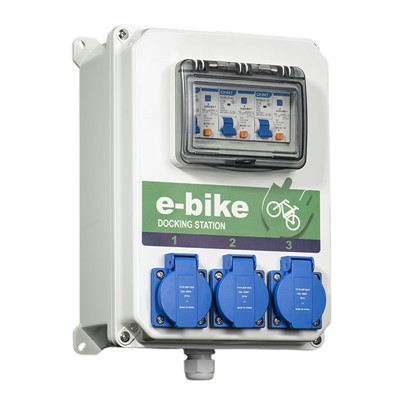
Thermoplastic power distribution boxes are crucial components in electrical systems. They are used to safely distribute electrical power, protecting circuits and users from potential electrical hazards. Made from thermoplastic materials, which can be melted and reshaped multiple times, these boxes offer several advantages over traditional metal boxes. They are lightweight, corrosion – resistant, and easy to install, which makes them a popular choice in a wide range of applications, from residential buildings to industrial facilities.
Positive Environmental Impacts
Energy Efficiency in Production
One of the significant positive environmental impacts of thermoplastic power distribution boxes lies in their production process. Manufacturing thermoplastic boxes generally consumes less energy compared to metal counterparts. The molding process used to create thermoplastic boxes requires lower temperatures and less mechanical processing. This means that less energy is needed overall, resulting in a reduced carbon footprint during production. For example, the injection molding process for thermoplastics uses heat to melt the plastic pellets, and the energy required for this heating is relatively low compared to the energy – intensive processes of mining, smelting, and shaping metals like steel or aluminum.
Durability and Longevity
Thermoplastic power distribution boxes are known for their durability. They can withstand harsh environmental conditions, such as extreme temperatures, humidity, and exposure to chemicals. This durability means that they have a longer service life compared to some other types of distribution boxes. A longer service life reduces the need for frequent replacements, which in turn decreases the overall demand for raw materials and the energy associated with manufacturing new boxes. For instance, in outdoor electrical installations, a well – made thermoplastic box can last for decades without significant degradation, reducing the environmental impact associated with continuous product turnover.
Recyclability
Thermoplastics are inherently recyclable. At the end of their useful life, thermoplastic power distribution boxes can be collected, melted down, and reused to create new products. This closed – loop recycling system helps to conserve resources and reduce waste sent to landfills. Recycling thermoplastics also requires less energy than producing new plastic from virgin materials. Many recycling facilities are equipped to handle thermoplastic waste, and the increasing demand for recycled plastics in various industries further encourages the recycling of these distribution boxes.
Negative Environmental Impacts
Raw Material Sourcing
The production of thermoplastic power distribution boxes relies on the extraction of fossil fuels, as most thermoplastics are derived from petrochemicals. The extraction of these fossil fuels has significant environmental consequences, including habitat destruction, water pollution, and greenhouse gas emissions. Drilling for oil and natural gas, which are the raw materials for many thermoplastics, can lead to oil spills, soil contamination, and disruption of ecosystems. Additionally, the energy – intensive processes involved in refining these fossil fuels into plastics further contribute to carbon emissions.
Chemical Additives
To enhance the performance of thermoplastic power distribution boxes, manufacturers often add various chemical additives. These can include flame retardants, stabilizers, and colorants. Some of these chemicals may be harmful to the environment. For example, certain flame retardants, such as polybrominated diphenyl ethers (PBDEs), have been found to be persistent organic pollutants (POPs). They can bioaccumulate in the environment and in living organisms, posing risks to human health and wildlife. When these boxes are disposed of or recycled, there is a potential for these chemicals to be released into the environment.
Disposal Challenges
Despite their recyclability, not all thermoplastic power distribution boxes end up being recycled. Some may be discarded in landfills, where they can take a long time to decompose. In landfills, thermoplastics can release harmful chemicals into the soil and groundwater over time. Additionally, incinerating thermoplastic waste is not an ideal solution either, as it can release toxic pollutants, such as dioxins and furans, into the atmosphere, contributing to air pollution and harming human health.
Mitigating the Negative Environmental Impacts
Using Sustainable Raw Materials
As a supplier, we are constantly exploring the use of more sustainable raw materials. One alternative is bio – based plastics, which are derived from renewable resources such as plants and agricultural waste. Bio – based thermoplastics have the potential to reduce the reliance on fossil fuels and lower the carbon footprint associated with production. For example, polylactic acid (PLA) is a bio – based thermoplastic that can be used in the manufacturing of power distribution boxes. It is biodegradable and has a relatively low environmental impact compared to traditional petrochemical – based plastics.
Reducing Chemical Additives
We are also working on reducing the use of harmful chemical additives in our products. This involves researching and developing alternative formulations that can provide the same performance without the use of toxic chemicals. For instance, we are exploring the use of natural flame retardants, such as magnesium hydroxide, which is less harmful to the environment and human health compared to some traditional flame retardants.
Promoting Recycling
To ensure that our thermoplastic power distribution boxes are recycled at the end of their life cycle, we are actively promoting recycling initiatives. We are collaborating with recycling facilities to improve the collection and recycling process. Additionally, we are educating our customers about the importance of recycling and providing them with information on how to properly dispose of our products.
Conclusion
As a supplier of thermoplastic power distribution boxes, we recognize that our products have both positive and negative environmental impacts. On one hand, they offer advantages in terms of energy efficiency in production, durability, and recyclability. On the other hand, the raw material sourcing, use of chemical additives, and disposal challenges present significant environmental concerns. We are committed to taking steps to mitigate these negative impacts. By using sustainable raw materials, reducing the use of harmful chemicals, and promoting recycling, we aim to make our products more environmentally friendly.
HDPE Power Distribution Box If you are interested in learning more about our thermoplastic power distribution boxes or are considering a purchase, we would be more than happy to discuss your needs. Contact us to start a conversation about how our products can meet your requirements while also contributing to a more sustainable future.
References
- Patel, M. K., & Gnansounou, E. (2008). Sustainable biofuels from crops. Green Chem., 10(6), 589 – 597.
- Shen, L., & Patel, M. K. (2008). Review of the biochemistry, energy consumption, and greenhouse gas emissions of second – generation bioethanol production technologies. Biofuels, Bioprod. Biorefining, 2(1), 125 – 140.
- European Commission. (2012). Directive 2012/19/EU of the European Parliament and of the Council of 4 July 2012 on waste electrical and electronic equipment (WEEE).
- Worrell, E., & Galitsky, C. (2005). Energy efficiency in the United States iron and steel industry. Annual Review of Energy and the Environment, 30(1), 289 – 324.
Apeks Electric Co., Ltd.
As one of the leading thermoplastic power distribution box manufacturers and suppliers in China, we also support custom service. With abundant experience, we warmly welcome you to wholesale high quality thermoplastic power distribution box from our factory. Welcome to view our website for more information.
Address: No.2 Yuyao Rd, Yuxin, Nanhu District, Jiaxing, China
E-mail: kevin@apekselectric.com
WebSite: https://www.powerdistros.com/
