Can plain woven fabric be used for sails? Plain Woven Fabric
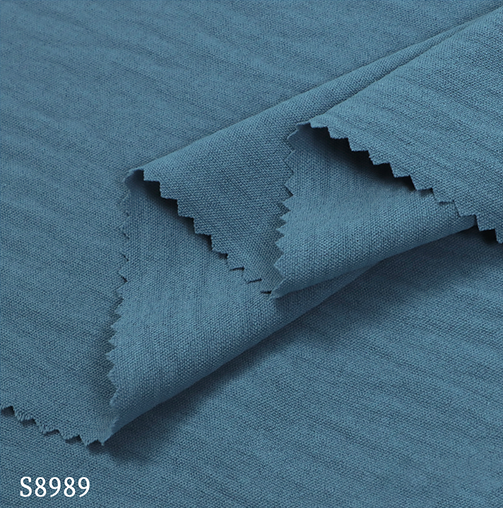
As a seasoned supplier of plain woven fabric, I am frequently asked this question. Sails are critical components of boats, and the choice of fabric can significantly impact their performance, durability, and cost – effectiveness. In this blog, I will delve into the viability of using plain woven fabric for sails from multiple perspectives.
Understanding Plain Woven Fabric
Before discussing its use for sails, let’s understand what plain woven fabric is. Plain weave is the simplest and most basic of all weaves. It is created by alternately passing the weft (horizontal) yarn over and under each warp (vertical) yarn. This results in a fabric with a balanced structure, where the warp and weft yarns are perpendicular to each other.
The characteristics of plain woven fabric include high strength in both the warp and weft directions. The tight interlacing of the yarns gives the fabric a relatively stable and uniform surface. It also has good abrasion resistance due to the close – knit structure. Additionally, plain woven fabrics can be made from a wide variety of materials, such as cotton, polyester, nylon, and carbon fiber, which allows for different levels of strength, weight, and cost.
Advantages of Using Plain Woven Fabric for Sails
Cost – Effectiveness
One of the most significant advantages of plain woven fabric for sails is its cost – effectiveness. Compared to some high – tech, specialized sail fabrics, plain woven fabrics are generally more affordable. This makes them an attractive option for small boat owners, beginners, or those on a budget. For example, a cotton plain woven fabric can be a relatively inexpensive choice for a small dinghy sail. The lower cost allows more people to get into sailing without a huge upfront investment.
Durability
When made from appropriate materials, plain woven fabrics can offer good durability. For instance, polyester plain woven fabrics are known for their excellent resistance to stretching, shrinking, and mildew. This means that sails made from polyester plain woven fabric can maintain their shape over time, providing consistent performance. Nylon plain woven fabrics, on the other hand, have high tear strength, which can withstand the stresses of strong winds and rough seas.
Ease of Manufacture
The simplicity of the plain weave makes it easy to manufacture. This not only reduces production costs but also allows for quick turnaround times. Sail makers can easily cut, sew, and shape plain woven fabric into various sail designs. Additionally, the uniformity of the fabric structure makes it easier to predict how the sail will behave under different wind conditions, facilitating the design process.
Customizability
Plain woven fabric can be easily customized to meet specific sail requirements. It can be dyed in different colors, which is not only aesthetically pleasing but can also have practical applications, such as visibility at sea. Moreover, sail makers can apply additional treatments to the fabric, such as waterproofing or UV protection, to enhance its performance in different environments.
Limitations of Using Plain Woven Fabric for Sails
Aerodynamic Performance
While plain woven fabric can be used for sails, it may not offer the same level of aerodynamic performance as some specialized sail fabrics. The relatively thick and stiff nature of plain woven fabric can create more drag compared to lighter, more flexible materials. This can result in reduced speed and maneuverability, especially in high – performance sailing applications. For example, competitive racing sailboats often require fabrics that can provide a more streamlined shape and better air flow over the sail surface.
Weight
Depending on the material and the thickness of the weave, plain woven fabric can be relatively heavy. A heavy sail can put additional stress on the boat’s rigging and hull, and it may also require more effort to hoist and control. In some cases, the extra weight can affect the overall performance of the boat, making it slower and less responsive.
Long – Term Aging
Although many plain woven fabrics have good durability, they may still be subject to long – term aging effects. For example, cotton fabrics can degrade over time due to exposure to sunlight, saltwater, and microorganisms. Even though some treatments can slow down this process, the long – term performance of cotton sails may decline more rapidly compared to some high – tech synthetic materials.
Real – World Applications
Despite its limitations, plain woven fabric has found wide application in the sail industry.
Recreational and Small Boats
For recreational sailors and small boat owners, plain woven fabric is often the material of choice. A small sailboat used for weekend outings on a lake or a coastal area does not require the high – performance characteristics of a racing sail. The cost – effectiveness, durability, and ease of maintenance of plain woven fabric make it a practical option. For example, a small catamaran or a dinghy can have sails made from plain woven polyester fabric, which can provide reliable performance for many years.
Traditional and Vintage Boats
In the restoration and maintenance of traditional and vintage boats, plain woven fabric is often preferred to maintain the authenticity of the vessel. Cotton plain woven fabrics, in particular, have been used for sails for centuries. When restoring a classic wooden sailboat, using cotton sails can help preserve the historical look and feel of the boat. These sails can also be tuned to provide a unique sailing experience that is different from modern high – performance sails.
Conclusion

In conclusion, plain woven fabric can indeed be used for sails. Its cost – effectiveness, durability, ease of manufacture, and customizability make it a viable option for many sailing applications, especially for recreational and small boats, as well as traditional and vintage vessels. However, it is not without its limitations, and in high – performance racing applications, specialized sail fabrics may be more suitable.
Jacqurard Woven Fabric As a supplier of plain woven fabric, I believe that our products can meet the diverse needs of the sail – making industry. Whether you are a small boat owner looking for an affordable and reliable sail material, or a traditional boat restorer in search of authentic fabric, we have the right solution for you. If you are interested in purchasing plain woven fabric for your sails, please feel free to contact us for detailed product information and to discuss your specific requirements. We are committed to providing high – quality products and excellent customer service to help you achieve the best sailing experience.
References
- "Sailmaking: The Art and Science" by Greg Rossel
- "Textile Science" textbook for general knowledge on plain weave and fabric properties
- Industry reports on the sailmaking market and materials trends
Shaoxing Huichao Textile Co., Ltd.
As one of the most professional plain woven fabric manufacturers and suppliers in China, we offer a wide range of products with superior quality. We warmly welcome you to wholesale bulk plain woven fabric in stock here from our factory. If you have any enquiry about cooperation, please feel free to email us.
Address: Shenyue International Build ing, Unit 1603-1605, Keqiao District, Shaoxing City, Zhejiang Province, China
E-mail: darrenzhong@huichaotextile.com
WebSite: https://www.huichaotextile.com/
