Hey there! I’m a supplier of medical adhesives, and I’ve seen a fair share of things in this industry. One of the most important things we need to be aware of is allergic reactions to medical adhesives. In this blog, I’ll share with you the signs of an allergic reaction to medical adhesive, so you can be better informed and take the necessary precautions. Medical Adhesive

Understanding Allergic Reactions to Medical Adhesives
First off, let’s talk about what causes an allergic reaction to medical adhesives. Most medical adhesives are made up of various chemicals, and some people’s immune systems can overreact to these substances. When the body’s immune system mistakes these chemicals as harmful invaders, it releases antibodies to fight them. This immune response can lead to an allergic reaction.
It’s not just one type of adhesive that can cause problems. Different adhesives have different chemical compositions, and each person’s immune system reacts differently. Some adhesives might be more likely to cause allergies because they contain certain ingredients like rubber, acrylics, or formaldehyde.
Common Signs of an Allergic Reaction
Skin Irritation
The most obvious sign is skin irritation. You’ll usually notice this right where the adhesive was applied. The skin might turn red, which is a sign of inflammation. It can be a mild pinkish hue or a bright, angry red. This redness happens because the blood vessels in the area dilate as part of the immune response.
You might also experience itching. It can range from a little bit annoying to so intense that you can’t stop scratching. Scratching, though, can make the situation worse and lead to more damage to the skin.
Another common symptom is a rash. The rash can look like small bumps or blisters. Sometimes, these bumps are filled with a clear fluid. They can be grouped together or spread out over the area where the adhesive was placed.
Swelling
Swelling is another tell – tale sign. The skin around the adhesive site can puff up. It might feel tight and look a bit shiny. Swelling occurs because the body is sending fluid to the area as part of the immune reaction. In some cases, the swelling can be quite significant, and it might even make it difficult to move the affected body part if it’s on a joint or a limb.
Pain
Pain can be associated with an allergic reaction to medical adhesive. It can range from a dull ache to a sharp, stabbing pain. The pain is often a result of the inflammation and damage to the skin. If the reaction is severe, the pain can be quite intense and might require some form of pain relief.
Hives
Hives can also appear. These are raised, itchy welts on the skin. They can be small or large and can spread beyond the area where the adhesive was applied. Hives are a classic sign of an allergic reaction and are caused by the release of histamine in the body.
Systemic Reactions
In rare cases, an allergic reaction to medical adhesive can cause systemic symptoms. This means that the reaction affects the whole body. You might experience symptoms like difficulty breathing, which is a very serious sign. It could be due to swelling in the airways.
You might also feel dizzy or light – headed. This can happen because of a drop in blood pressure as a result of the allergic reaction. Nausea and vomiting are other possible systemic symptoms. If you experience any of these systemic symptoms, it’s crucial to seek medical help immediately.
Factors That Can Affect the Severity of the Reaction
There are several factors that can influence how severe an allergic reaction to medical adhesive will be.
Duration of Contact
The longer the adhesive is in contact with the skin, the more likely a reaction is to occur and the more severe it might be. For example, if a bandage with adhesive is left on for days without being changed, the risk of an allergic reaction increases.
Skin Sensitivity
Some people have more sensitive skin than others. People with conditions like eczema or psoriasis are more likely to have an allergic reaction to medical adhesives. Their skin is already in a compromised state, and the chemicals in the adhesive can further irritate it.
Type of Adhesive
As I mentioned earlier, different adhesives have different chemical compositions. Some adhesives are more allergenic than others. For example, adhesives that contain natural rubber latex are more likely to cause allergic reactions in people who are allergic to latex.
How to Minimize the Risk of Allergic Reactions
As a medical adhesive supplier, I’m always looking for ways to help my customers minimize the risk of allergic reactions.
Choose the Right Adhesive
We offer a variety of adhesives, and it’s important to choose the one that’s best for the patient’s needs. For patients with sensitive skin, we have hypoallergenic adhesives. These adhesives are formulated to be less likely to cause an allergic reaction. They usually have fewer of the chemicals that are known to trigger allergies.
Test the Adhesive
Before applying the adhesive to a large area of the skin, it’s a good idea to do a patch test. Apply a small amount of the adhesive to a small area of the skin, like the inner forearm. Wait for 24 – 48 hours and see if there are any signs of an allergic reaction. If there are no signs, it’s usually safe to use the adhesive on a larger area.
Proper Application and Removal
Make sure the adhesive is applied correctly. Clean the skin before applying the adhesive to remove any dirt or oils that could interfere with the adhesion and potentially increase the risk of a reaction. When it’s time to remove the adhesive, do it gently. Pulling the adhesive off too quickly can cause damage to the skin and increase the risk of an allergic reaction.
Conclusion
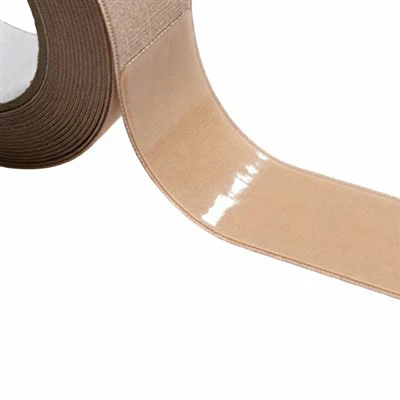
Allergic reactions to medical adhesives are something that we need to take seriously. By being aware of the signs, such as skin irritation, swelling, pain, hives, and systemic symptoms, we can identify and address these reactions early. As a medical adhesive supplier, I’m committed to providing high – quality products and sharing knowledge to help you make the best choices.
Medical Double-sided Adhesive Tape If you’re in the market for medical adhesives, whether it’s for a hospital, a clinic, or other medical applications, I’d love to have a chat with you. We can discuss your specific needs and find the right adhesive solutions for you. Reach out to me to start the conversation about your medical adhesive requirements.
References
- "Contact Dermatitis and Allergic Reactions to Medical Adhesives" – Journal of Medical Skin Science
- "Managing Allergic Reactions in Medical Settings" – American Journal of Medicine
- "Skin Sensitivity and Adhesive Use" – Dermatology Today
Shenzhen Omori Biological Technology Co., Ltd.
We’re well-known as one of the leading medical adhesive manufacturers and suppliers in China. We warmly welcome you to wholesale high quality medical adhesive made in China here from our factory. If you have any enquiry about customized service, please feel free to email us.
Address: Floor4, No43, Langkou Industrial park, Dalang Street, Longhua District, Shenzhen City, Guangdong Province, China
E-mail: wya@omorimed.com
WebSite: https://www.omorimed.com/
