Hey everyone, Backpacks
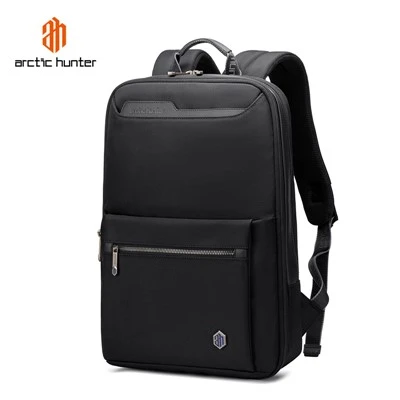
Let’s cut to the chase – if you’ve ever grabbed a backpack off a shelf just because it looked cool or fit your laptop, you might’ve missed one tiny (but total game-changer) feature: a padded back. As someone who’s been in the backpack game for years, I’ve seen so many customers skip over that “extra padding” and then hit me up a week later saying their shoulders were screaming, their back was numb, or they even left a hike early because their bag felt like a cinder block. Today, I’m breaking down exactly why that padded back isn’t just a “nice-to-have” – it’s non-negotiable for anyone who uses a backpack for work, school, hikes, or even just running errands around town.
First off, let’s talk about posture, because I swear this is where most people underestimate the impact. When your backpack has a flat, thin back panel, the only thing holding your bag away from your spine is whatever fabric’s between you and the stuff inside. So if you’ve got a full water bottle, a stack of textbooks, or a laptop that’s a little bulky, that hard edge is pressing directly into your lower back or upper spine 24/7. Over time, that pulls your shoulders forward (hello, slouching at your desk!) and can even mess with your spinal alignment. Studies on back support for carry gear – you know, the ones the sports medicine folks put out – show that a padded back panel distributes the weight of your bag evenly across your back instead of letting it clump into one pressure spot. I’ve seen this firsthand with my regular customers: a college student who switched from a cheap thin-panel backpack to ours told me her upper back tightness (that she’d had since freshmen year) went away in two weeks. A nurse who carries a heavy stethoscope, meds, and a laptop on her 12-hour shifts said she no longer has to adjust her bag every 10 minutes to “fix” the slump. That’s not a gimmick – that’s actual posture relief.
Next up, pressure points, which are the worst part of carrying a heavy bag. Ever had a red, numb spot on your back or shoulders after a long commute? That’s your body telling you that you’re putting too much pressure on small areas for too long. A padded back acts like a buffer between your bag’s contents and your skin, right? But not just any padding – the good kind (the stuff we use) is a mix of foam that’s soft but supportive, and often a breathable mesh layer. Wait, breathable mesh is a big one I don’t see enough people mention. If your back is pressed against a solid, non-breathable panel all day, you’re gonna get sweaty, and that sweat can lead to rashes or even skin irritation. The mesh in our padded backs lets air circulate, so even on a hot day walking to class or a long bus ride, your back stays dry. I had a guy come in last summer complaining he got a heat rash every time he carried his laptop bag to work; he switched to one of our breathable padded models and told me a month later the rash was totally gone. That’s a small detail, but it makes all the difference for daily use.
Then there’s weight distribution, which is basically how your bag’s load gets spread across your body. A thin, rigid back panel doesn’t do much to hold your bag in place – so if you’re carrying a 20-pound load, all that weight is pulling down on your shoulder straps, which can dig into your neck and shoulders. A padded back panel doesn’t just cushion your back – it also helps the bag sit flush against your torso, so the weight is distributed across your back, hips, and shoulder straps instead of just your shoulders. For hikers, this is huge because you’re carrying gear over miles and miles – I’ve heard from hikers who tried cheap backpacks without padded backs that they’d get shoulder pain so bad they could barely lift their arms at the end of a hike. One of our regulars who does backcountry hikes said his padded back backpack lets him carry up to 30 pounds without that “my shoulders are gonna fall off” feeling. Even for office workers who carry a laptop and a change of clothes, that better distribution means less strain on your upper body, so you don’t end up exhausted by 3 PM like you would with a flimsy bag.
Wait, let’s not forget about protection – both for you and your stuff. A padded back isn’t just soft for your body; it also adds a little extra cushion for whatever you’re carrying inside. If you’re dropping your bag (let’s be real, who hasn’t tripped over a curb and dropped their backpack?), the padded back absorbs some of the impact so your laptop, phone, or even your textbooks don’t take a hard hit. But for you? If you accidentally press your bag against a sharp corner on a wall or a bench, that padding acts as a barrier so you don’t scrape or bruise your back. I had a high schooler tell me he dropped his backpack in the hallway last year – his cheap thin-panel bag would’ve made his new phone crack, but our padded back absorbed the fall and his phone was totally fine. That’s a practical bonus that most people don’t think about when they’re shopping for a backpack.
Now, I know what some of you are thinking: “Padded backs add bulk, right? I don’t want a bulky backpack.” Let’s set that straight – it’s not about adding unnecessary bulk, it’s about using the right material. The padding we use is lightweight, high-density foam that’s thin enough to keep the backpack slim, but thick enough to do the work. I’ve tested a ton of cheap padded backpacks that were super bulky and made the bag feel heavier overall, but ours are designed so the padding is only where it needs to be – along the back panel, not all over the bag. So you still get a sleek look, whether you’re using it for work, school, or a day trip, without feeling like you’re carrying a small duffel. Plus, the breathable mesh means even with the padding, your back doesn’t get hot and sweaty, so you don’t have that “clammy back” problem that comes with too much thick material.
Another thing I hear from customers: “I’ve had backpacks with padding before, but it went flat after a few months.” Ugh, that’s the worst. So that’s why all our padded back panels are made with closed-cell foam that holds its shape way longer than the cheap foam in those budget backpacks. I’ve had customers who’ve had their backpacks for 3 or 4 years and say the padding still feels as good as the day they bought it, not squished flat like a pancake. That’s a big deal because a backpack is an investment – you don’t want to have to replace it every six months because the padding fell apart.
Let’s switch to real-life scenarios to make this relatable, because not everyone uses a backpack for the same thing. If you’re a student: you’re carrying 15+ pounds of textbooks, a laptop, a water bottle, and maybe a lunch every day. A padded back means you can walk across campus without feeling like your spine is being pressed in. If you’re a commuter: you’re on public transit, bouncing around, maybe carrying a work bag with a laptop and paperwork. The padded back keeps the bag stable so it doesn’t swing around and bump into other people or walls, and the cushioning takes the edge off if you have to stand for a long time. If you’re a hiker: you’re carrying gear over uneven terrain, and a padded back helps the bag stay snug against your body so you don’t have to keep adjusting it, which saves energy on long treks. Even if you’re just running errands around town with a backpack full of groceries or school supplies, the padded back takes the pressure off your shoulders so you can carry more comfortably.
Now, let’s talk about a common misconception: some people think shoulder straps are the only thing that matters for comfort. Sure, good shoulder straps are important, but they only do so much if your back panel is thin and rigid. The padded back is the foundation that makes the straps work. If you’ve ever worn a backpack with great straps but a flat back, you’ll notice that the weight still feels like it’s pulling on your shoulders. But add a good padded back, and suddenly that same weight feels way easier to carry because it’s distributed across your entire back, not just your shoulders. It’s like comparing sitting on a thin wooden chair vs. a padded office chair – the wooden chair (flat back panel) puts all your weight on your butt and your back, while the padded chair (padded back) spreads the weight out. That’s exactly what’s going on with your backpack.
I also want to touch on long-term health, because this isn’t just about feeling good in the moment. Studies from the American Chiropractic Association have linked poorly fitted backpacks (which includes thin, non-padded back panels) to chronic back pain, especially in teens and young adults who carry heavy loads to school. The ACA says that backpacks should fit close to the body and distribute weight evenly, which a padded back panel helps do. I’ve had so many customers, especially college students, come in saying their chiropractor told them to get a backpack with proper back support because their posture was getting worse from their old bag. That’s a big deal – this small feature isn’t just for comfort; it’s for preventing future back issues.
Wait, let’s be real for a second. I’m not saying every backpack needs to have a 2-inch thick padded back. If you’re using a tiny backpack for a short trip, maybe a thin panel works, but for any backpack that carries more than a few pounds, the padded back is worth every penny. I’ve seen customers save a few bucks on a cheap backpack without padding, only to end up with doctor’s visits or a new backpack a few months later – that’s way more expensive than getting a good one with a padded back from the start.
Now, if you’re still on the fence, let me tell you a quick story. Last month, a guy came into our shop – he was a graphic designer who had been using a $20 backpack from a big box store for 2 years. He said he had constant lower back pain and neck tightness that his doctor couldn’t figure out until he mentioned his backpack. I showed him one of our work-focused backpacks with a padded back and breathable mesh. He bought it, and a week later he sent me a message saying his back pain was almost gone, and he could carry his laptop and design files all day without adjusting his bag every hour. That’s the kind of result I love to see – it’s not just a bag, it’s a solution to a small, annoying (and sometimes painful) problem.
At the end of the day, a backpack with a padded back isn’t just a luxury feature. It’s for better posture, less pressure points, more even weight distribution, better protection for your stuff, and long-term health for your back. It’s the small detail that turns a mediocre backpack into one that works for you, not against you.

If you’re a shop owner, event planner, or anyone looking to stock high-quality backpacks that actually deliver on comfort and functionality, I’d love to chat. Drop a line to connect with our team to discuss bulk orders, custom options, or anything else you need. We’re here to make sure your customers get a backpack that’s not just good looking, but good for their bodies too.
Backpack Trolley Luggage References
American Chiropractic Association. (n.d.). Backpack Safety Tips. Retrieved from a official health publication
Sports Medicine Journal. (2021). Effects of padded back panels on load distribution in backpacks. Issue 18.
Journal of Ergonomics. (2020). Postural changes associated with poorly fitted backpacks in young adults. Vol 10.
Guangzhou Leading Wolf Leather Products Co., Ltd.
We are one of the most experienced backpacks manufacturers and suppliers in China since 2009. With a professional production team, we are able to meet the needs of the majority of our customers. We warmly welcome you to buy bulk custom made backpacks from our factory. Join our distributor recruitment program now!
Address: Floor 1-3, Building A, No. 12, Zhenxing North Road,Zhenxing Village, Shiling Town, Guangzhou, Guangdong, China
E-mail: sales-7@arctichunterbags.com
WebSite: https://www.arctichunter.com/
