If you’ve ever picked up a bag of trail mix, a pouch of cold brew coffee, or a resealable bag of pet treats, chances are you were holding a stand up pouch. These flexible packaging solutions have exploded in popularity over the last two decades, thanks to their space-saving design, resealable options, and ability to keep products fresh for months. But for anyone in the food, pharmaceutical, or specialty chemical industries, one question lingers: just how chemically resistant are stand up pouches? As a supplier who’s worked with these pouches for more than a decade, I’ve seen firsthand that the answer isn’t a one-size-fits-all—it depends on the pouch’s structure, the product it holds, and the environmental conditions it faces. Let’s break down what chemical resistance really means for stand up pouches, how it’s tested, and what matters most when choosing the right pouch for your product. Stand Up Pouches
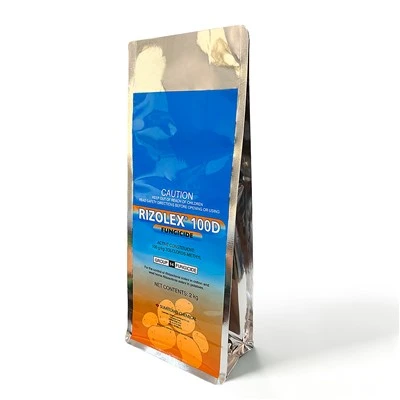
First, it’s important to understand that most stand up pouches aren’t made from a single material. Unlike old-fashioned paper bags or rigid plastic containers, these pouches are laminated from multiple thin layers, each with a specific job. A typical food-grade pouch might have an outer layer of polyethylene terephthalate (PET) for scratch resistance, a middle layer of aluminum foil for light and oxygen barrier, and an inner layer of low-density polyethylene (LDPE) that acts as the sealant. Some pouches skip the foil for products that don’t need heavy barrier, using instead a thin layer of ethylene vinyl alcohol (EVOH) for oxygen resistance. Each of these layers interacts differently with chemicals, and their combination is what determines the pouch’s overall chemical resistance.
Chemical resistance, in packaging terms, refers to a material’s ability to withstand contact with a specific substance without degrading, leaching, or allowing that substance to escape or enter the pouch. For example, a pouch holding a acidic fruit puree needs to resist that acid breaking down the inner seal layer. A pouch holding a solvent-based cleaning product needs to resist the solvent softening or permeating the pouch walls. Even seemingly benign products like spices or powdered supplements can have chemical components that affect the pouch over time.
The most common threat to stand up pouch chemical resistance is what’s called “compatibility” between the pouch materials and the product. When a product is stored in a pouch over weeks or months, some of its chemical components can migrate into the pouch, causing the inner layer to swell, soften, or even peel away from the other layers. In extreme cases, the product can migrate the other way—from the pouch into the food or pharmaceutical inside, which is a major safety concern. That’s why testing for compatibility isn’t just a nice-to-have; it’s a required step for most regulated industries.
I’ve seen this play out firsthand. A few years back, a small craft brewery came to us with a problem: their hop-infused craft soda was spoiling after just two months on shelves, even though they were using standard food stand up pouches. Hop oils are highly soluble in certain plastics, and in this case, the standard LDPE inner layer they were using was letting hop compounds seep into the pouch, breaking down the oxygen barrier layer behind it. We worked with them to switch to a specialized inner layer of ionomer, a plastic that’s far more resistant to organic oils and acidic compounds. After that change, the shelf life jumped to six months, no additional spoilage issues. That’s exactly how tailored chemical resistance works.
So how do we measure a stand up pouch’s chemical resistance? There are a few standard tests in the industry. The most basic is the “immersion test,” where a sample of the pouch is submerged in the product it will hold, or a simulant of that product, for a set period (usually 24 hours to 30 days) at a controlled temperature. After immersion, technicians check for changes in the pouch’s weight, thickness, flexibility, seal strength, and permeability to gases like oxygen or carbon dioxide. For products that are particularly harsh—like concentrated acids, solvents, or cleaning chemicals—we also do “permeation testing” to measure how much of the product passes through the pouch material over time. For pharmaceuticals, we follow strict FDA guidelines that test for any leachables from the pouch into the product, a critical step to ensure safety.
Not all stand up pouches are built for the same chemicals, though. Let’s go through the most common material combinations and their chemical resistance strengths, because that’s where most people get confused.
First, the basic all-polyethylene (PE) pouch, often used for dry goods like rice, flour, or powdered sugar. This is the cheapest option, and it’s resistant to many mild acids, alkalis, and oils, but it has poor barrier to oxygen and organic solvents. If you put a bottle of nail polish remover (which is acetone, a strong solvent) into a PE pouch, the acetone will quickly soften the PE, leak through, and even dissolve small holes over time. That’s why these pouches only work for non-oily, non-solvent-based dry products.
Next, the aluminum foil laminate pouch. This is the gold standard for high chemical resistance and barrier. The aluminum layer is impermeable to almost all gases, oils, and most solvents, so these pouches work for everything from pet foods with high fat content to industrial chemicals, even concentrated acids. The only downside here is that aluminum is opaque, so you can’t see the product inside, and it’s not microwavable or suitable for products that need light visibility. For many customers, though, that tradeoff is worth it for the long shelf life and chemical protection.
Then there are the flexible barrier pouches that skip aluminum, using EVOH instead. These are often used for snack foods, coffee, and some pharmaceuticals. EVOH is resistant to many oils and mild chemicals, but it breaks down when exposed to moisture, so it’s usually sandwiched between two layers of PE or polypropylene (PP) to protect it. That combination works great for products like chocolate, which can be high in fat, but it’s not as resistant to strong solvents as an aluminum laminate. For example, a pouch holding a solvent-based paint thinner would quickly degrade the EVOH layer, even with the PE outer layers.
Another specialized option is polypropylene (PP) inner layers. PP is more heat-resistant than LDPE, and it’s resistant to many more chemicals, including some acids and solvents, but it’s less flexible, so it’s not ideal for resealable pouches that get opened and closed often. We use PP inner layers for products that need to be heat-sealed at high temperatures, or for items like battery components that have highly corrosive chemicals.
Now, let’s talk about a common misconception: many people think that “stand up pouches” all have the same resistance, but the truth is, the level of treatment makes all the difference. A standard food pouch and a heavy-duty industrial pouch might look similar on the outside, but the layers inside are much thicker, or made with different materials, to handle harsh chemicals. For example, a heavy-duty chemical pouch will have a thicker outer PET layer, a thicker aluminum foil layer, and a special inner layer that resists chemical permeation, all to comply with OSHA regulations for hazardous material packaging.
We also see a lot of customers ask if a pouch that works for one product will work for another. That’s rarely the case. I once had a client who wanted to use a coffee pouch (made with EVOH and PE layers) to hold a liquid fertilizer, which is high in nitrogen and has a slightly acidic pH. The coffee pouch worked fine for coffee, but after two weeks with the fertilizer, the nitrogen had broken down the PE inner layer, and the fertilizer was seeping through the pouch. That’s why we always recommend testing a small sample first—even if a material seems compatible, real-world storage conditions (like high temperature, humidity, or rough handling) can change things.
So what should you look for when choosing a stand up pouch for chemical resistance? First, identify what’s most important for your product. If you’re holding a food or pharmaceutical, your top priorities might be that the pouch is food-safe, no leachables, and barrier to oxygen. If you’re holding an industrial chemical, you’ll need to make sure the pouch meets regulatory standards for hazardous materials, and that it resists the specific chemicals in your product.
Then, work with a supplier that does compatibility testing. At our company, we don’t just offer off-the-shelf pouches—we can test a small sample of your product with our pouch materials to make sure there’s no negative reaction. We’ve even developed custom laminates for clients with very specific needs, like a pouch for a plant-based cleaning product that needed to resist citrus oils, or a pouch for a dietary supplement that needed to be BPA-free and resistant to herbal extracts.
One more thing to consider: handling and storage conditions. A pouch that works fine on a store shelf in a cool, dry place might fail if it’s stored in a warehouse in a hot, humid climate. High temperatures can make plastic layers more flexible and more permeable to chemicals, while humidity can break down laminates that rely on dry layers. When we advise clients, we always ask about where the product will be stored and shipped, because that changes the recommended pouch structure.
At the end of the day, the chemical resistance of a stand up pouch isn’t a fixed number—it’s a balance of material layers, product compatibility, and environmental conditions. As a supplier, our job isn’t just to sell a pouch; it’s to help you find the one that will keep your product safe, intact, and compliant, from the moment it leaves our facility to the moment it reaches your customer. If you’re not sure which pouch is right for your product, or if you need to test compatibility for a new item, don’t hesitate to reach out to our team to discuss your needs and review options that align with your requirements.
Solutions References
- Han, J. H. (2011). Flexible Food Packaging Science and Technology. CRC Press.
- Padua, G. W., & Hernandez, R. J. (2005). Food Packaging Technology. Blackwell Publishing.
- U.S. Food and Drug Administration. (2022). Guidance for Industry: Packaged and Labeled Drugs and Devices.
- European Federation of Food Additives and Food Ingredients. (2019). Flexible Packaging Materials for Food Contact.
- Soroka, W. (2019). Fundamentals of Packaging Technology. Institute of Packaging Professionals.
Qingdao Senlida Packing Co., Ltd.
Qingdao Senlida Packing Co., Ltd. is one of the most experienced stand up pouches manufacturers and suppliers in China since 1995. With a professional production team, we are able to meet the needs of the majority of our customers. Please feel free to buy high quality packing products at competitive price from our factory.
Address: No.299 Feichao Road, Luwang Town, Huangdao District, Qingdao, Shandong Province, China.
E-mail: liuxh@qdsenlida.com
WebSite: https://www.senlidapacking.com/
