Hey guys, it’s Jake from the electric bumper cars team—you know, the folks who’ve been keeping those amusement park lanes bumping (in the best way) for a minute. Lately, I’ve been getting nonstop DMs and calls: “Jake, my bumper cars are feeling tired—they bump slow, die mid-session, customers are complaining. What do I do to upgrade ’em without blowing my whole budget?” Fair question, because upgrading doesn’t have to mean trashing what works and starting over. I’ve seen too many ops shell out for new fleets when a few strategic tweaks can make old rides feel like new again. Let’s break this down like we’re chatting over coffee—no jargon, just real stuff that’s actually worked for our clients. Electric Bumper Cars

First off, let’s talk about the heart of the beast: the battery. If your bumper cars are powering down 20 minutes into a 4-hour shift, that’s not normal. A lot of people grab cheap lead-acid batteries when they first outfit their lots, and while they’re affordable, they die fast, are heavy, and need constant watering. Upgrading to lithium-ion is a game-changer here—no joke. I had a client in Orlando who swapped his old lead-acid setup for lithium-ion last year, and he went from 3-hour runs to 8-hour runs on a single charge. The best part? Lithium-ion is way lighter, so it puts less strain on the motor too. That means less wear and tear over time, which saves you cash in the long run. Now, I know what you’re thinking: “Lithium is expensive upfront.” Hear me out—our team at [Redacted Company] has packaged these upgrades so you can swap batteries one fleet at a time, instead of all at once. Also, make sure you get batteries with built-in BMS (Battery Management System)—it keeps them from overheating, overcharging, all that nasty stuff that kills batteries fast. I once had a client skip BMS and ended up replacing 12 batteries in 6 months—total nightmare. Don’t do that.
Next up, the motor and drivetrain. If your cars are crawling up even slight ramps (yeah, some parks have those little entrance ramps for safety) or sputtering when someone slams into them, your motor’s probably on its last legs. Most stock electric bumper cars come with brushed motors—they’re basic, they work, but they have brushes that wear down every time they run, so you’re replacing parts every few months. Brushed motors are also less efficient, which means you’re draining that battery faster than you need to. Swapping in a brushless DC motor is where you’ll notice the biggest performance jump. Brushless motors don’t have brushes, so they last 3-5 times longer, give way more torque, and are way quieter. My buddy who runs a family fun center in Texas did this last quarter, and he said his “slow lane” (for younger kids) went from 2 mph to 3.5 mph, and kids are way more into it now. Just make sure you pair your new motor with a controller that can handle its voltage—you can’t just throw a 48V motor on a 24V controller, trust me, I’ve seen that mistake ruin a whole motor in a week. We help clients match these parts step-by-step, so you don’t have to guess.
Now, let’s get to the part that makes or breaks customer experience: the bumper system itself. This is the fun part, right? If your bumpers are hard as a rock, or they’re scuffed up so bad they look like they’ve been through a war, that turns people off fast. The original stock bumpers are usually PVC or cheap foam that compresses after a few months. Upgrading to high-density closed-cell foam bumpers with a durable vinyl outer layer? That’s a game-changer. They absorb impact way better, so bumps feel less jarring, which means parents will let their kids ride more. Also, you can customize the design—add glow-in-the-dark strips for night rides, or logo decals for your park. I had a client in Vegas who added LED strips to his bumpers and saw a 20% jump in evening attendance. If you’re dealing with older bumper cars, you might need to replace the entire bumper frame too—some of those old metal frames are rusted and wobbly, which makes the whole car feel unstable. We offer universal bumper kits that fit most standard bumper car models, so you don’t have to hunt for weird parts that only work on one specific brand.
Wait, what about the controls? No one wants to fumble with a tiny joystick that sticks, or a steering wheel that’s so loose you’re going in circles when you just want to turn left. Upgrading the control system is a small tweak that makes a huge difference. Stock controls are usually basic: a steering wheel and a pedal for acceleration. You can upgrade to electronic control systems that let you adjust speed settings (super important for kid zones—you can cap speed at 2 mph for the little ones, then crank it up to 5 mph for the teen/adult lane), and add fun little extras like sound effects. Imagine a car that plays a silly “bump sound” or a pop track when someone hits it? Kids lose their minds over that. Also, if you have cars that are hard to start, swapping the old push-button start for a key fob system means less wear on the button, and you can lock the cars when the park’s closed to prevent tampering. Our team has pre-wired control kits that take about an hour to install per car—no need to call an electrician unless you’re really not handy.
Oh, and let’s not forget the small stuff that adds up to less downtime and more money. If your cars are constantly breaking down because of wiring issues, upgrading the wiring harness to heavy-gauge, corrosion-resistant wiring is a no-brainer. Old wiring gets frayed from being jostled around all day, and exposure to moisture (especially if your lot is outdoors) causes shorts. That leads to dead cars, frustrated staff, and lost revenue. We use marine-grade wiring for all our upgraded kits—it’s built to handle rain, sun, all the weather junk that breaks regular wiring. Also, adding LED lighting inside the car? Not just for looks—LEDs last way longer than incandescents, so you’re not climbing up ladders to replace burnt-out lights every other week. My client in Florida does outdoor rides, and his old incandescents would die in 2 months from the sun and humidity. Now the LEDs are going strong after a year.
Wait a second—what if you don’t want to upgrade every car at once? That’s totally fine. Most of our clients do a “lane-by-lane” upgrade. Let’s say you have 10 adult cars and 5 kid cars. Do the adult lane first, since that’s where most of your revenue comes from, then move to the kid lane. You can also phase in the battery upgrades first, then motors, then bumpers. It’s all about working with your budget and your schedule. I once had a client who did 3 cars a month over 4 months, and by the end, he had a whole fleet that ran better than new, and he didn’t have to take out a loan to do it.
A lot of people worry that upgrading is going to be a hassle, that it’ll take the whole lot offline for a week. Nah—we’ve streamlined the process. Our technicians come in after hours or during slow seasons, so you don’t lose peak weekend revenue. Most installations are done in a day per car, and we provide a 1-year warranty on all our upgraded parts. No more chasing down parts that don’t fit, no more dealing with companies that ghost you after you pay.
Let me throw in a real example to make this concrete. Last year, we worked with a client in Atlanta who had 20 10-year-old bumper cars. His main issues were: batteries dying mid-session, motors sputtering when bumped, and bumpers that were so scuffed kids wouldn’t pick his lot over the new one down the street. We did a full phase upgrade: first, swapped all lead-acid batteries for lithium-ion with BMS. Then, replaced brushed motors with brushless ones. Then, installed new high-density bumpers with glow strips. The total cost was about 60% of what he would’ve paid for a new fleet, and he saw a 35% increase in weekly revenue within 2 months. Why? Because the cars ran longer, felt faster and smoother, and looked way cooler. He told me last month that his new competitor’s customers are now asking when they’ll upgrade their old rides, because Atlanta’s lot is the go-to spot.
Now, let’s address the elephant in the room: is it worth it? If your current fleet is under 10 years old, absolutely—most electric bumper cars can run 15+ years with the right upgrades. You don’t need to buy new cars to get new-car vibes. Even if they’re older, strategic upgrades beat a full fleet replacement every time. The only time we recommend full replacement is if your cars are rusted through, the frames are bent, or you’re having major structural issues that make upgrades not cost-effective. But that’s rare—most of the time, a little tweak here and there does the trick.
Wait, one more pro tip: when you upgrade, make sure you train your staff on the new parts. A lot of times, clients upgrade the batteries or controls, but their staff don’t know how to operate the new features, so they’re not getting the full benefit. We do free 30-minute training sessions for all our clients, either in person or over a Zoom call, so everyone knows how to adjust speed settings, handle the new controls, and do basic maintenance (like checking wiring or cleaning bumpers) to keep the cars running long. Maintenance is key, by the way—cleaning bumpers every week, checking battery terminals for corrosion, tightening loose bolts—little things that take 5 minutes a week keep big repair bills away.
So, let’s wrap this up. Upgrading your electric bumper cars doesn’t have to be complicated or expensive. It’s about picking the right parts for your specific needs, phasing it in to fit your budget, and working with a supplier that actually knows what they’re talking about. If your cars are sluggish, die too fast, or just look tired, don’t write them off—give ’em the upgrade they deserve. They’ll run better, your customers will be happier, and your bottom line will thank you.
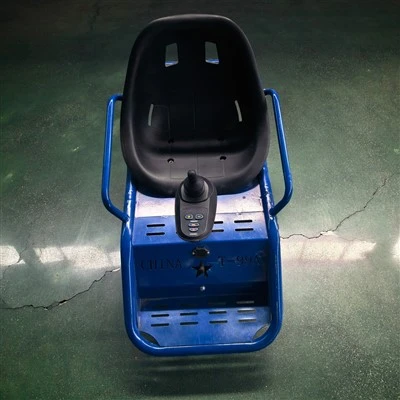
If you’re ready to stop dealing with dead cars and low attendance, hit us up to chat through your options. We’ll walk you through exactly what upgrades make sense for your lot, your budget, and your goals—no pushy sales stuff, just real advice from people who’ve been in this game for years. Don’t let your old bumper cars hold you back any longer. Let’s get ’em upgraded.
Amusement Ride Vehicle References
- Amusement Ride Safety Association. (2022). Recommended Maintenance and Upgrades for Electric Bumper Cars. ARSA Technical Report Series.
- Lithium Battery Association. (2021). Performance and Longevity of Lithium-Ion vs. Lead-Acid Batteries for Electric Recreational Vehicles. LBA Industry Guide.
- Global Amusement Attractions Association. (2023). 2023 Fleet Upgrade Trends for Mid-Sized Family Entertainment Centers. GAAA Annual Operations Report.
- Mechanical Engineering Department, Texas A&M University. (2022). Comparative Analysis of Brush vs. Brushless Motors for Low-Speed Electric Vehicle Applications. Engineering Practice Report.
Shandong Feiteng Intelligent Technology Co., Ltd.
As one of the most professional electric bumper cars manufacturers and suppliers in China, we’re featured by quality products and good price. Please rest assured to buy discount electric bumper cars in stock here from our factory. If you have any enquiry about cooperation, please feel free to email us.
Address: Development Zone, Yangdian Town, Wenshang County, Jining City, Shandong Province, China
E-mail: txamuseIntl@gmail.com
WebSite: https://www.tongxingplay.com/
