Hey there – if you’ve ever stood next to a power distribution cabinet on a foggy morning or noticed condensation dripping off a panel after a summer rainstorm, you’ve probably wondered how all that extra moisture messes with the gear inside. As a low-voltage switchgear supplier, I’ve been fielding questions about humidity’s impact on our products for years, and let’s be real – it’s not just a “minor annoyance.” It’s one of the top hidden culprits that causes switchgear to underperform, fail early, or even spark safety issues that nobody sees coming. Let’s break this down like we’re chatting in our warehouse (no stuffy textbook jargon, promise) and get into what humidity actually does to your gear, why it matters for your operations, and what you can do about it. Low-voltage Switchgear
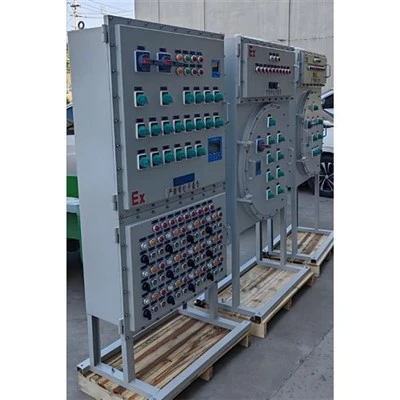
First off, let’s get the basics straight: low-voltage switchgear is that stuff that keeps power flowing safely in buildings, factories, data centers, and even grocery stores – think the panels that control lighting, motors, and backup generators, usually running on 1,000 volts or less. Humidity, for anyone who doesn’t geek out over HVAC specs, is just the amount of water vapor in the air. But here’s the thing that trips everyone up: it’s not just the absolute amount of moisture, it’s how that moisture interacts with temperature and the gear itself. When humidity spikes, especially if it’s paired with temperature swings (like when it cools down at night after a hot, humid day), that water vapor turns into actual liquid condensation. That’s where the problems start.
Let’s start with the big one: corrosion. This is the slow, silent killer of switchgear parts. If you’ve ever left a metal tool outside in the rain, you know rust forms when metal touches water – and switchgear is full of metal components: busbars, circuit breaker contacts, internal wiring terminals, even the steel enclosures themselves. But humidity makes this process way worse than just a few raindrops. When the air is extra humid, a thin, invisible film of water forms on every exposed metal surface inside the gear. That film isn’t pure water, either – it traps tiny bits of dust, dirt, and even chemicals from the air (think exhaust fumes near a loading dock or fertilizer dust in a farm building) to create a super-conductive, corrosive solution. Over time, that eats away at the metal. Busbars (the thick copper or aluminum bars that carry power) get pitted, so they can’t carry as much electricity as they’re supposed to. Circuit breaker contacts, which need to make tight, clean connections to work, get coated in corrosion, so they bounce or arc when they flip on and off. And wiring terminals – those little screws that hold your power cables in place – get corroded, so they loosen up over time, leading to bad connections that can overheat. I’ve seen this first-hand: last year, we had a client in a coastal city where salt air paired with high humidity corroded their switch busbars so badly that the gear had to be replaced two years early, way ahead of its 15-year lifespan. That cost them way more in downtime than if they’d just added a simple dehumidifier.
Next up: insulation breakdown. Switchgear relies on insulation – plastic, rubber, or even air – to keep electricity where it’s supposed to be, not arcing across parts or shocking someone. But moisture is the enemy here, too. When humidity is high, insulation materials absorb water like a sponge. That makes them less effective at stopping electricity. For example, the rubber gaskets that seal the inside of your switchgear panels to keep water out – if they get damp from high ambient humidity, their insulation rating drops, and you might get small, hidden arcs between live parts and the grounded enclosure. Those arcs might not cause a full power outage, but over time they can burn through insulation, leading to short circuits, or even start fires. Worse, when condensation forms inside the gear, it creates a conductive path between two live components. Let’s say you have a circuit breaker and a neutral bar sitting next to each other – a drop of water connecting them could make a short circuit that trips the breaker unexpectedly, or even causes a fuse to blow. For a factory, that means a line shut down, costing thousands an hour. For a data center, that’s a server crash that can lose irreplaceable data. We recently worked with a food processing plant where high humidity in their old switchgear room caused repeated tripping, and once they upgraded their gear with proper insulation protection and humidity controls, those trips stopped cold.
Wait, but it’s not just about super-high humidity, right? A lot of people think “if humidity’s not pouring rain, it’s fine,” but that’s a myth. Even moderate, consistent humidity – like 60% or higher year-round, which is common in places like the Southeast U.S., tropical regions, or even basements in temperate climates – can cause long-term issues. Corrosion doesn’t happen overnight; it’s a slow build. And even if you don’t see condensation, that thin water film on metal surfaces is already doing damage. We test our switchgear in climate chambers all the time, and we’ve found that gear exposed to 65% humidity 24/7 starts showing signs of contact resistance after just 5 years, compared to gear tested at 40% humidity that still performs like new after 15 years. That’s a big deal because contact resistance means your switchgear uses more energy than it’s supposed to, driving up utility bills for no reason. I can’t tell you how many small business owners come to us complaining about their power bills being way higher than projections, and after testing their old gear, we find corrosion from humidity is the main culprit. They end up saving more on electricity in a year than the cost of upgrading to better, humidity-resistant switchgear.
Also, let’s talk about the stuff nobody plans for: extreme humidity events. Think the heat domes we’ve seen the past few years, where humidity hits 80% or higher for weeks straight, paired with thunderstorms that flood switchgear rooms or get moisture into panel gaps. In those cases, we’ve seen cases where condensation builds up so fast that switchgear short circuits immediately during a storm, causing a full power outage. One client in Houston had this during Hurricane Harvey – their old switchgear wasn’t sealed well, and floodwater got inside, taking their entire warehouse offline for 3 days. That cost them over $2 million in lost production. Now, when we sell switchgear to clients in hurricane zones or areas prone to heavy rainfall, we include extra sealing and ventilation to handle those spikes.
Okay, so what’s the good news? Humidity’s impact isn’t unavoidable – you just have to design around it, and that’s where our team comes in. As a switchgear supplier, we don’t just sell you a box of parts and walk away. We build our low-voltage switchgear with features specifically to fight humidity-related issues: corrosion-resistant metal coatings (like tin plating on busbars, not just bare copper), sealed enclosures rated for high humidity and even temporary water exposure, and built-in insulation that repels moisture instead of absorbing it. We also include optional humidity monitoring systems that alert you if levels get too high inside the gear, so you can fix the problem before it causes damage.
But wait, it’s not just the gear itself – your installation and maintenance matter too. If your switchgear room is in a basement with no ventilation, or right next to a loading dock where rain and moisture get in, even the best gear will struggle. We always advise our clients to make sure their switchgear rooms have proper HVAC or dehumidification, keep doors closed when it’s raining, and do regular checks for condensation or corrosion on visible parts. We even offer free initial assessments for clients who are worried about their current gear’s performance – no pressure, just us checking humidity levels in their switchgear rooms and pointing out what needs to be fixed.
I know this might sound like a lot, but trust me – switching to humidity-resistant low-voltage switchgear saves you way more money in the long run than sticking with old gear that’s prone to humidity damage. The worst part is, most of the time, you don’t notice the problem until it’s too late. You’ll have an outage, or a huge power bill spike, or worse – a safety hazard that could hurt someone. We’ve seen all the horror stories, and that’s why we design our gear to handle whatever Mother Nature throws at it.
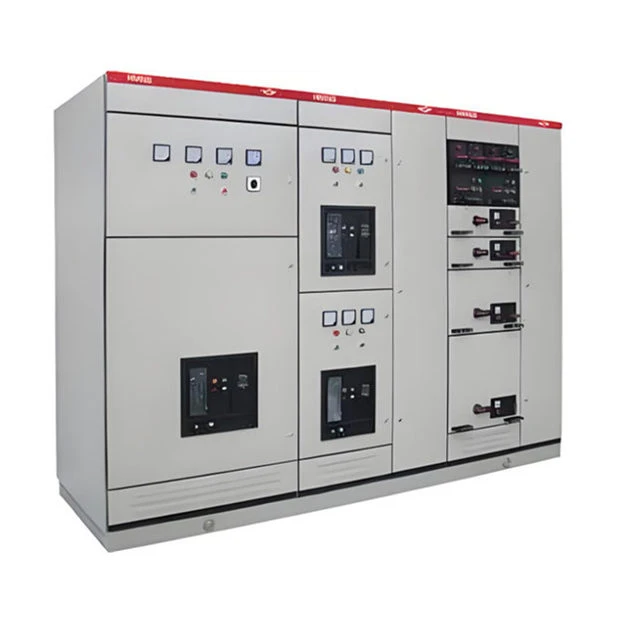
If you’re dealing with persistent power issues, high utility bills, or just want to make sure your operations are protected from humidity-related wear and tear, don’t hesitate to reach out. Our team has years of experience working with factories, data centers, retail spaces, and more, and we can help you find the right switchgear for your needs. We’re not just here to sell you gear – we’re here to make sure your power flows reliably, no matter how humid it gets. Let’s chat through your specific situation, no sales pitch pressure, just honest advice on how to keep your switchgear performing at its best.
Power Distribution Cabinet References
- International Electrotechnical Commission. (2020). IEC 60439-1: Low-voltage switchgear and controlgear assemblies – Part 1: General rules.
- National Electrical Manufacturers Association. (2021). NEMA Standards Publication ICS 6: Enclosures for Electrical Equipment.
- The Institute of Electrical and Electronics Engineers. (2019). IEEE Guide for the Evaluation of Humidity Effects on Electrical Equipment.
- U.S. Department of Energy. (2022). Energy Efficiency Improvements for Low-Voltage Power Distribution Systems.
Guangdong Baihao Electric Co., Ltd.
As one of the most professional low-voltage switchgear manufacturers and suppliers in China, we also support customized service. Please feel free to wholesale discount low-voltage switchgear in stock here from our factory. Quality products and low price are available.
Address: 201, 2nd Floor, Building 3, No.1, Honggang Section, Lihe Road, Lishui Town, Nanhai District, Foshan City
E-mail: jiang_baisi@126.com
WebSite: https://www.gd-baihao888.com/
