Can I install a PVC glass door in a high-traffic area? That’s one of the most common questions I get from customers when they reach out to our small door company. Let me start by saying this: I’ve been supplying and installing PVC glass doors for over a decade, and I’ve seen first-hand how these doors hold up (or don’t) in busy spaces like retail storefronts, restaurant entrances, office breakrooms, and apartment building lobbies. The short answer is yes—but it depends on the type of PVC door, the glass it’s paired with, and how you maintain it. Let’s break this down like we would for a regular customer who’s weighing their options for a high-traffic spot, no corporate jargon just practical, real-world advice. PVC Glass Door

First, let’s talk about what makes an area “high-traffic” for doors. I define it as any space where a door gets opened and closed more than 50 times a day—think a coffee shop during morning rush, a gym’s main entrance, or a loading dock where delivery trucks are dropping off stock. These spots put two types of stress on doors: repetitive mechanical wear on the frame, hinges, and track, and impact from people not paying attention, carts, or even small equipment. PVC glass doors are often written off as flimsy compared to aluminum or steel, but that’s a myth if you pick the right product.
Let’s start with the PVC frame itself. Not all PVC is created equal. The thin, cheap PVC you’ll find at big box stores for a bedroom closet is not going to hold up to 100+ daily openings. But the heavy-duty, reinforced PVC extrusions we supply are a different story. Our best high-traffic PVC frames have galvanized steel or aluminum inserts inside the frame rails and stiles—this prevents the frame from twisting, warping, or sagging over time. I installed a set of these for a local bakery’s front entrance three years ago, and they still open and close as smoothly as the day we put them in. The key here is that reinforced PVC is rigid enough to handle constant use, but lighter than metal frames, so it puts less strain on hinges and track.
Next, the glass. This is the make-or-break part for high-traffic areas. Standard clear glass is a disaster—even a small kid running into it with a backpack will crack it. But when paired with PVC frames, you want safety-rated glass: either tempered glass or laminated glass. Tempered glass is four to five times stronger than regular glass, and when it breaks, it shatters into small, rounded pieces that don’t cause serious injury. Laminated glass has a plastic layer between two glass panes, so even if it breaks, the pieces stick to the plastic instead of showering the floor. For high-traffic spots, laminated glass is my top pick for exterior doors— it can handle accidental bumps from rolling coolers, hand trucks, or even door stops getting slammed into it. I had a retail client whose delivery driver backed a hand truck into their PVC glass door last year, and the laminated glass only had a small chip, no full break. That’s the kind of thing that saves thousands in repairs.
Now, let’s address the common concerns about PVC doors in busy spaces. First, durability in harsh conditions. A lot of people worry that PVC will yellow or become brittle if it’s exposed to sunlight or extreme temperatures. That’s true for uncoated PVC. The PVC doors we supply have a UV-stabilized coating that prevents fading and yellowing—we’ve tested these doors in Florida’s intense sun and Minnesota’s cold winters, and they still look good after five years. Another concern: noise. High-traffic areas can be loud, and PVC doors can help insulate sound if you pick a double-glazed unit. The bakery I mentioned earlier has double-glazed PVC glass doors, and when the front door is closed, you barely hear the espresso machine or the street traffic— that’s a big plus for both staff and customers.
Wait, but what about sliding vs. hinged PVC doors? For high-traffic areas, I almost always recommend sliding PVC glass doors over hinged ones. Sliding doors have fewer moving parts (no hinges, no swing clearance issues), so they require less maintenance and are faster to open in a rush. The trade-off is that sliding doors can sometimes have track issues if the track isn’t installed properly. That’s why we include professional installation with all our commercial high-traffic orders—we make sure the track is level, the rollers are aligned, and the frame is anchored securely to the floor and wall. I’ve seen too many DIY sliding PVC doors in retail spaces that get stuck because the track was installed crooked, leading to delays during busy hours.
Maintenance is another key factor in how a PVC glass door holds up in high-traffic areas. The good news is that PVC is super low-maintenance—unlike wood, it doesn’t need to be painted or sealed. All you need to do is wipe down the frame with a mild soap and water every few weeks, and clean the track regularly to remove dirt and debris. A quick tip: we recommend adding a door sweep to the bottom of sliding PVC doors. This keeps dust, water, and bugs out, and also prevents the track from getting clogged. For hinged doors, check the hinges every six months to make sure they’re tightened—most high-traffic door wear is from loose hinges, not the PVC or glass itself.
Let me also share a few real examples of high-traffic spaces where PVC glass doors work perfectly. Last year, we installed 12 sets of our reinforced PVC glass doors in a large apartment building’s lobby and pool area. The lobby gets constant foot traffic from residents and visitors, and the pool area has to handle high humidity and chlorine fumes. The PVC frames didn’t warp from the humidity, and the laminated glass has held up to small kids running into it with pool noodles. Another client: a fitness studio with two main entrances. We went with sliding double-glazed PVC doors, and even during peak hours when hundreds of people are coming and going, the doors haven’t stuck or had any issues. The studio manager told us they’ve saved thousands on repairs compared to their old aluminum doors, which kept bending and breaking.
Now, when should you not use a PVC glass door in a high-traffic area? If you’re dealing with extremely heavy, frequent impacts—like a loading dock where forklifts or pallet jacks might hit the door—PVC might not be the best option. For those spots, metal-framed doors with thick industrial glass are better. Also, if you need a door that can handle very heavy security (like a bank or a high-security retail store), PVC isn’t as strong as steel or aluminum for that level of use. But for most common high-traffic areas: retail storefronts, cafes, restaurants, office breakrooms, lobbies, gyms, and apartment building entrances, PVC is a great, cost-effective choice.
Cost is another big factor that people consider. PVC glass doors are typically 20-30% cheaper than aluminum or steel-framed glass doors, and they last just as long if you pick the reinforced, UV-stabilized type. That makes them a smart investment for businesses that are watching their budget but don’t want to sacrifice durability. The bakery I mentioned earlier saved about $1,500 by going with reinforced PVC instead of aluminum, and that money went towards new kitchen equipment—something that mattered more to them than a slightly heavier frame.
Let me wrap this up with a few key takeaways for anyone deciding on a PVC glass door for a high-traffic area. First, always opt for reinforced PVC frames with steel or aluminum inserts—this prevents sagging and twisting. Second, pair it with safety-rated glass (tempered or laminated) to avoid injuries and costly replacements. Third, choose sliding doors over hinged doors for the least amount of moving parts and maintenance. Fourth, make sure the installation is done by a professional who knows how to level and anchor the door properly. Fifth, do regular simple maintenance (wipe the frame, clean the track, tighten hinges) to keep it working for years.
At the end of the day, I’ve built my business on being honest with customers, not pushing the most expensive product just to make a sale. If a PVC glass door isn’t right for a high-traffic space, I’ll tell you that straight up. But if it is? I’ll show you exactly which model to pick, how it will hold up, and how to care for it. I’ve seen too many businesses waste money on overpriced metal doors when a good PVC glass door would have worked perfectly for their needs.
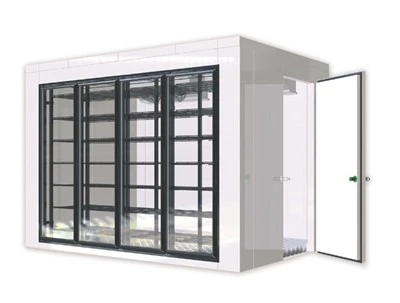
If you’re ready to talk about installing a PVC glass door in your high-traffic space, or if you have more questions about durability, installation, or pricing, don’t hesitate to reach out. We work with businesses of all sizes, from small local shops to large apartment complexes, and we’re happy to walk you through every step. There’s no pressure—just straightforward advice from someone who’s been doing this for over a decade and has seen every type of door hold up to busy foot traffic.
Energy Saving Glass Door References:
- American Architectural Manufacturers Association. (2021). Performance Standards for PVC Window and Door Systems. AAMA 2502-17.
- National Glass Association. (2020). Safety Glazing Guidelines for Commercial and Residential Applications. NGA Safety Glazing Manual.
- U.S. Department of Energy. (2019). Energy Efficiency of PVC versus Aluminum Window and Door Frames. Building Technologies Office Technical Report.
- International Code Council. (2022). International Building Code: Chapter 24 – Glazing and Glazing Components. ICC Adoption 2021.
Coste Glass Door Co., Ltd.
As one of the most professional pvc glass door manufacturers and suppliers in China, we’re featured by quality products and good price. Please feel free to wholesale bulk pvc glass door in stock here and get quotation from our factory. Customized orders are welcome.
Address: 41/47, VILLAGE NO.5 KHOK KRABUE SUBDISTRICT MUEANG SAMUT SAKHON DISTRICT ,SAMUT SAKHON PROVINCE 74000 ,Thailand
E-mail: Alicezhou@shhag.com
WebSite: https://www.costeglassdoor.com/
