Hey there! I’m a supplier of acid resistant rubber sheets, and I often get asked how these bad boys perform in low – temperature environments. Well, let’s dive right in and break it down together. Acid Resistant Rubber Sheet
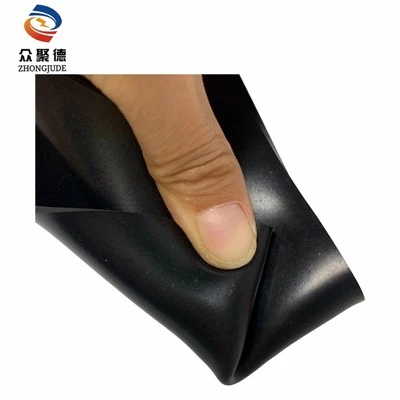
First off, let’s talk about what makes an acid resistant rubber sheet so special. These sheets are designed to withstand the corrosive effects of acids, which is super important in industries like chemical processing, food and beverage, and even some aspects of the automotive world. They’re made from special rubber compounds that have been engineered to resist the damaging effects of different acids, whether it’s hydrochloric acid, sulfuric acid, or acetic acid.
Now, when we shift our focus to low – temperature environments, things get a bit more interesting. The performance of acid resistant rubber sheets in cold conditions is influenced by a few key factors.
Rubber Compounds and Cold Resistance
The type of rubber compound used in making the acid resistant sheet plays a huge role in how it performs in low temperatures. Some common rubbers used for acid resistance include EPDM (ethylene propylene diene monomer), Viton (a brand of fluorocarbon rubber), and Neoprene.
EPDM is known for its good acid resistance and also has a decent level of cold resistance. It can usually handle temperatures down to around – 40°F (- 40°C) without becoming too brittle. This is pretty cool, pun intended! What happens is that at low temperatures, the molecular structure of the rubber starts to change. The rubber chains become less flexible, and the material loses some of its elasticity. But EPDM has a chemical structure that helps it maintain a certain level of flexibility even in cold weather.
Viton, on the other hand, is a powerhouse when it comes to acid resistance, but its cold resistance is a bit more limited. It can typically withstand temperatures down to around – 10°F (- 23°C). Viton has very strong chemical bonds in its structure, which give it excellent resistance to acids and many chemicals. However, these same strong bonds make it more difficult for the rubber to remain flexible at extremely low temperatures.
Neoprene is a middle – ground option. It has moderate acid resistance and can handle temperatures down to about – 20°F (- 29°C). Neoprene has a balanced set of properties, making it suitable for a variety of applications where both acid resistance and some level of cold resistance are required.
Physical Changes at Low Temperatures
When an acid resistant rubber sheet is exposed to low temperatures, it undergoes some physical changes. One of the most noticeable changes is a decrease in flexibility. You know how a rubber band gets stiffer when you put it in the freezer? It’s kind of the same idea with these rubber sheets. As the temperature drops, the rubber becomes less pliable, which can affect its ability to seal properly.
For example, in a chemical processing plant where these sheets are used as gaskets to seal pipes and tanks, a loss of flexibility can lead to leaks. If the rubber sheet can’t conform to the shape of the surface it’s supposed to seal due to its stiffness, acid could leak out, which is not only a safety hazard but also a huge mess to clean up.
Another physical change is an increase in hardness. The rubber will become harder as the temperature decreases. This can cause problems in applications where the rubber needs to be compressed or bent. If the sheet is too hard, it may not be able to be installed properly or may break under stress.
Impact on Mechanical Properties
Low temperatures also have an impact on the mechanical properties of acid resistant rubber sheets. Tensile strength, which is the ability of the rubber to withstand being pulled apart, can change. At low temperatures, the tensile strength of the rubber may increase slightly initially, but as the temperature continues to drop, the rubber becomes more brittle, and the tensile strength will start to decrease rapidly.
Elongation at break, which is how much the rubber can stretch before it breaks, is also significantly affected. In cold conditions, the rubber’s ability to stretch is greatly reduced. This means that if the sheet is subjected to any kind of stretching force, it’s more likely to tear or break.
Applications in Low – Temperature Environments
Despite the challenges posed by low temperatures, acid resistant rubber sheets still have many applications in cold – climate industries. In the oil and gas industry, for instance, they’re used in pipelines to resist the acids that can be present in the oil and gas. These pipelines can be exposed to extremely cold temperatures in regions like Alaska or parts of Canada.
In the food and beverage industry, acid resistant rubber sheets are used on processing equipment. Even in cold storage facilities, where the temperature is kept low to preserve food, these sheets need to maintain their acid – resistant and sealing properties.
How to Improve Performance in Cold Conditions
If you’re using acid resistant rubber sheets in a low – temperature environment, there are a few things you can do to improve their performance.
One option is to choose the right rubber compound from the start. As we mentioned earlier, different rubbers have different levels of cold resistance. So, if you know you’ll be operating in a very cold climate, it might be worth investing in a rubber with better cold – weather properties, like EPDM.
Another thing you can do is insulate the rubber sheets. By adding a layer of insulation, you can help keep the rubber at a more stable temperature. This can prevent the extreme cold from affecting the rubber’s properties too much.
You can also perform regular maintenance checks. Make sure to inspect the rubber sheets for any signs of cracking or damage due to the cold. If you notice any issues early on, you can replace the sheets before they cause any major problems.
Conclusion
So, to sum it up, the performance of acid resistant rubber sheets in low – temperature environments depends a lot on the type of rubber compound used, the physical changes the rubber undergoes at low temperatures, and the impact on its mechanical properties. While there are challenges, with the right choice of rubber and proper maintenance, these sheets can still be very effective in cold – climate applications.
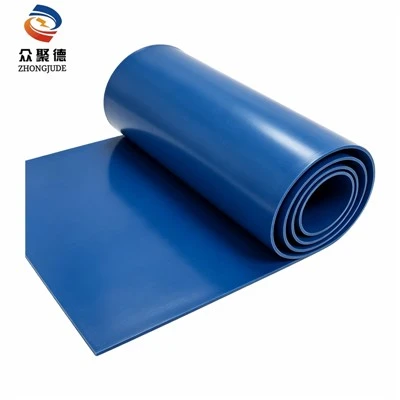
If you’re in the market for acid resistant rubber sheets and need them to perform well in low – temperature environments, I’d love to have a chat with you. We can go over your specific needs and find the best solution for your business. Whether it’s for a small – scale operation or a large industrial project, I’m here to help. Don’t hesitate to reach out for a friendly discussion and a quote.
Acid Resistant Rubber Sheet References:
- Morrison, R. T., & Boyd, R. N. (1987). Organic Chemistry. Prentice – Hall.
- Stevens, M. P. (1999). Polymer Chemistry: An Introduction. Oxford University Press.
- Morton, M. (1987). Rubber Technology. Van Nostrand Reinhold.
Hebei Zhongjude Power Technology Co., Ltd.
With abundant experience, we are one of the most reliable acid resistant rubber sheet manufacturers and suppliers in China. Welcome to buy bulk high quality acid resistant rubber sheet for sale here and get quotation from our factory. For price consultation, contact us.
Address: Shenghe Plaza, No. 88 Qilian Street, High-tech Zone, Shijiazhuang City, Hebei Province, China
E-mail: zhongjude@outlook.com
WebSite: https://www.zjdinsul.com/
