Yo! I’m a supplier of SWIR camera lenses, and today I wanna chat about how lens material can really mess with the performance of these lenses. It’s not just about slapping any old material on there and calling it a day. The material you choose can make or break the whole deal. SWIR Camera Lens
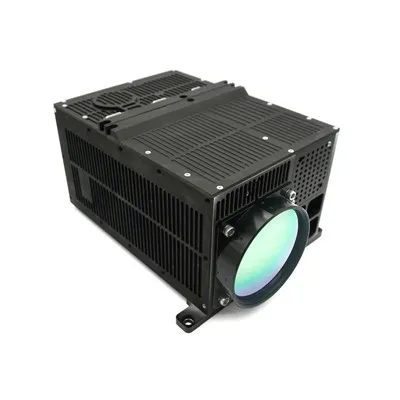
Let’s start with the basics. SWIR, or Short – Wave Infrared, cameras are used in all sorts of cool applications. We’re talking stuff like night vision, industrial inspection, and even some high – tech scientific research. And the lens is a super important part of these cameras. It’s like the eyes of the camera, gathering and focusing the SWIR light so that we can get a clear image.
One of the first things to consider is the refractive index of the lens material. The refractive index tells us how much the light bends when it enters the material. Different materials have different refractive indices, and this can have a big impact on how well the lens can focus the SWIR light.
For example, some materials like germanium have a relatively high refractive index. This means that they can bend the SWIR light a lot, which is great for making lenses that can focus the light tightly. But here’s the catch: high – refractive – index materials can also cause more chromatic aberration. Chromatic aberration is when different colors (or in this case, different wavelengths of SWIR light) focus at different points. This can lead to blurry images and reduced image quality.
On the other hand, materials with a lower refractive index, like fused silica, cause less bending of the light. This can result in less chromatic aberration, but it might also mean that the lens needs to be thicker or have a different shape to achieve the same level of focus. So, it’s a bit of a trade – off.
Another important factor is the transmission of the lens material. Transmission is all about how much of the SWIR light can pass through the material without being absorbed or scattered. You want a material that has high transmission in the SWIR range.
Silicon is a popular choice for SWIR camera lenses because it has pretty good transmission in the SWIR wavelengths. It allows a large amount of the SWIR light to pass through, which means that you can get a brighter image. But again, it’s not perfect. Silicon can absorb some of the light at certain wavelengths, which can cause some loss of information in the image.
Germanium is also known for its high transmission in the SWIR range. It’s often used in high – performance SWIR lenses because it can let a lot of the SWIR light through. However, germanium can be expensive, and it’s also quite brittle. This means that it needs to be handled carefully during the manufacturing process.
The thermal properties of the lens material are also a big deal. SWIR cameras can get pretty hot, especially when they’re used in continuous operation. If the lens material expands or contracts too much with changes in temperature, it can affect the focus of the lens.
Some materials, like zinc selenide, have good thermal stability. They don’t change shape too much when the temperature goes up or down. This is really important for maintaining a consistent focus over a wide range of operating temperatures. But zinc selenide is also a bit on the pricey side and can be toxic, so there are some safety concerns to think about.
Now, let’s talk about the durability of the lens material. SWIR cameras are often used in tough environments. They might be exposed to dust, moisture, or even mechanical shocks. So, you need a lens material that can stand up to these conditions.
Sapphire is a very durable material. It’s hard and scratch – resistant, which means that it can withstand a lot of wear and tear. It also has good transmission in the SWIR range. But sapphire is also very expensive to manufacture into lenses, so it’s not always the most practical option.
Fluoride crystals, such as calcium fluoride, are another option. They’re relatively durable and have good optical properties in the SWIR range. They’re also less expensive than some of the other materials we’ve talked about. However, they can be sensitive to moisture, so they need to be protected in humid environments.
When it comes to choosing the right lens material for a SWIR camera lens, it really depends on the specific application. If you’re using the camera for high – precision scientific research, you might be willing to pay more for a material like germanium or sapphire. These materials can offer the best performance in terms of image quality and focus.
But if you’re using the camera in a more industrial or commercial setting, where cost is a major factor, you might opt for a more affordable material like silicon or calcium fluoride. These materials can still provide decent performance at a lower cost.
As a SWIR camera lens supplier, I’ve seen firsthand how the right lens material can make a huge difference. I’ve worked with customers who were struggling with blurry images or inconsistent focus, and by changing the lens material, we were able to solve their problems.
So, if you’re in the market for a SWIR camera lens, don’t just focus on the price or the brand. Think about the lens material and how it will affect the performance of the lens. If you have any questions or want to discuss your specific needs, feel free to reach out. I’m here to help you find the perfect SWIR camera lens for your application.
MWIR Thermal Imager 640 References:
- "Infrared Optical Materials and Their Applications" by M. J. Weber
- "Optics in the Infrared" by G. D. Boreman
- "Handbook of Infrared Optical Materials" by S. S. Mitra
Xi’an Zhongke Lead Ir-Tech Co., Ltd.
We are one of the most experienced swir camera lens manufacturers in China, specialized in providing high quality OEM products with the industrial grade. We warmly welcome you to wholesale high performance swir camera lens at an affordable price from our factory.
Address: Building 8,Hard Technology Enterprise Community No.3000,Biyuan 2nd Rd,High-Tech Zone Xi’an,Shaanxi,China
E-mail: sales@lead-ir.com
WebSite: https://www.leadinfrared.com/
