When I first started working as a supplier of “other pipe fittings,” I used to get the same question all the time: “Can those really be used in commercial buildings?” At industry trade shows, over coffee with architects, and even in casual conversations with construction crews, people would look at my product line—everything from grooved mechanical joints to custom fabricated transition spools, from sacrificial anode fittings for corrosion control to non-standard reducers for unique pipe runs—and ask if I wasn’t talking about something too niche for a space like an office tower, retail mall, or hospital. Back then, I’d spend a lot of time explaining the basics: that commercial buildings have different needs than residential homes, that standard fittings aren’t always designed to meet those needs, and that “other” pipe fittings aren’t a compromise—they’re a solution. Now, after 12 years in this space, I can say that question has turned into one I answer with a mix of industry data, real on-site stories, and a clear understanding of how commercial plumbing, HVAC, and fire suppression systems work. Other Pipe Fittings
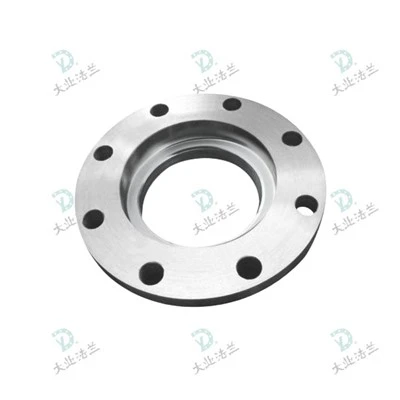
Let’s start with what makes commercial buildings different. A typical 10-story office building uses around 120,000 gallons of water a day—more than 10 times the amount a 3,000-square-foot residential home uses. That’s not just more water; it’s higher flow rates, more frequent use cycles, and systems that need to run 24/7, not just a few hours a day. Retail malls have food courts with commercial grease lines that experience extreme temperature swings and rapid changes in waste volume. Hospitals have sterile piping systems that can’t afford even a single leak, because a water loss in a surgical wing could delay a procedure or force a shutdown. Standard pipe fittings—the ones you see in every big-box supply store—are built for residential use: they’re sized for smaller pipes, made for less frequent use, and designed to work with general-purpose materials. But commercial projects often require something that fits a specific gap, solves a unique problem, or meets a code that standard fittings can’t. That’s where “other” pipe fittings come in.
I remember a project back in 2018 for a downtown boutique hotel. The original plumbing design called for standard copper fittings for the guest room water lines, but when the crew started cutting into the existing slab, they found an unexpected obstacle: a 6-inch cast iron sewer line that ran right where the new laundry room was supposed to go. The architect couldn’t rework the layout without losing two guest rooms, so we got a call to come in with a custom transition fitting. Standard transition fittings are made for small, residential-sized pipes—they can’t handle the weight and pressure of a 6-inch line running through a commercial slab. We fabricated a mechanical transition spool that connected the cast iron line to the new PVC line without welding, which meant the crew didn’t have to jackhammer more concrete (saving them two weeks of work and $40,000 in labor). That’s the kind of solution standard fittings can’t provide. It wasn’t a standard 90-degree elbow or a basic reducer; it was an other pipe fitting—one built for that exact site, that exact problem.
Another common use case I see is in fire suppression systems, which are non-negotiable in commercial buildings. Fire codes, like NFPA 13, set strict standards for how pipe systems are installed to ensure they can deliver enough water in an emergency. A few years ago, I worked on a grocery store expansion in the suburbs. The original design called for steel pipe, but the store’s layout had a section with exposed ceiling beams that ran at non-standard intervals. Standard fire fittings are designed to attach to beams spaced 4 feet apart, but this section had beams every 6 feet. A standard tee fitting wouldn’t line up with the beam holes, and drilling new holes would have weakened the structural beams. We supplied a custom hanger adapter fitting that matched the beam spacing, allowed the pipe to attach securely, and met all NFPA requirements. The inspector signed off on it on the first try, which the general contractor told me was rare for a project that had a last-minute adjustment. That’s another example: other pipe fittings aren’t just “extra” parts—they’re often the only way to keep a project on track and code-compliant.
I hear a lot of pushback from people who think standard fittings are cheaper, and in some cases, that’s true. But what most contractors and building owners miss is that the upfront cost of a standard fitting doesn’t account for the hidden costs of delays, code violations, and maintenance. Let’s talk maintenance: commercial buildings have a 30- to 50-year lifespan, while the standard fittings used in residential homes often start to show corrosion or wear after 15 years. The other pipe fittings we supply—whether they’re stainless steel sacrificial anodes for water lines, or high-temperature thermal expansion joints for HVAC systems—are built to last. I had a client who built a community center in 2010. They used standard PVC fittings for the outdoor water lines, and by 2017, they were having to repair leaks every six months because the fittings couldn’t handle freeze-thaw cycles in the winter. They switched to custom molded rubber expansion fittings from us, and in the six years since, they haven’t had a single leak. The initial cost was a little higher, but the money they saved on repairs and downtime for the community center’s programs has been worth it. That’s the long game commercial building owners have to think about, and other pipe fittings play a big part in that.
Of course, there are rules, and not every other pipe fitting is allowed in every commercial project. I always tell contractors and architects to start with the local building code. Most jurisdictions have specific requirements for what pipe fittings can be used in commercial applications, especially for systems like fire suppression, potable water, and medical gas. The good news is that other pipe fittings are not only allowed—many are actually code-listed, meaning they meet the standards set by organizations like ASME, UL, and NSF. For example, grooved mechanical fittings, which fall into the other pipe fitting category, are listed by UL for fire suppression systems and have been used in millions of commercial projects over the past 30 years. I make sure every product I supply has the necessary certifications, because I know that a contractor can’t afford to have a part that doesn’t pass inspection.
Another point I want to make is that other pipe fittings aren’t just for big, complex projects. Small commercial spaces, like neighborhood coffee shops, retail stores, and small offices, often have unique needs too. A coffee shop’s espresso machine requires a specific water line size and pressure that standard fittings might not accommodate. A small retail store’s drainage system might have a slope that doesn’t match a standard elbow, so a custom fitting is needed to prevent clogs. Last year, I supplied a set of 2-inch custom brass reducers to a café owner who was installing a new espresso line. He tried standard reducers, but they leaked because the line vibrated from the machine’s pump. The reducers I supplied were threaded with a vibration-resistant sealant groove, so they didn’t leak, and they fit perfectly into his existing pipe. That’s a small project, but it’s just as important as a 10-story office building. Other pipe fittings work for all sizes of commercial spaces, not just the big ones.
I’ve also seen a lot of innovation in the other pipe fitting space over the past decade. New materials, like hybrid composite fittings, are being used for potable water lines in commercial buildings because they’re resistant to corrosion, easy to install, and lighter than metal fittings. Custom fabrication tools have made it possible to create fittings on-site, which cuts down on lead times for contractors. A few years ago, a general contractor working on a school building called me at 8 a.m. because they had a broken 4-inch stainless steel pipe fitting that was holding up the entire plumbing rough-in. I had a mobile fabrication unit on standby, and by noon, we had a custom grooved fitting made and delivered to the site. They were able to get back to work that afternoon, and they told me it saved them $15,000 in labor costs for the crew waiting around. That’s the kind of flexibility standard fittings can’t offer—most of the time, you have to wait a few days for a standard fitting to be delivered, but other pipe fittings can be made to order, fast.
I know some people still have the mindset that “standard is better,” especially when it comes to commercial construction. But after 12 years on the job, I’ve seen too many projects where standard fittings caused delays, leaks, and code problems, and other pipe fittings fixed those issues. The key isn’t to reject standard fittings—they’re great for a lot of residential and even commercial applications where the layout is straightforward. The key is to recognize that “other” pipe fittings are a necessary part of the commercial building toolkit, because no two commercial projects are the same. A hospital’s piping needs are nothing like a mall’s, which are nothing like a hotel’s. The one-size-fits-all approach just doesn’t work for commercial spaces, and that’s where custom, specialized, other pipe fittings come in.
If you’re an architect, contractor, or building owner working on a commercial project and you’re not sure if a standard fitting will work, don’t just assume you have to go with what’s off the shelf. Reach out to a supplier who specializes in other pipe fittings, like me, and talk through your project’s specific needs. We can help you figure out if a custom fitting, a specialized joint, or a corrosion-resistant part is the right solution. I’ve worked on projects of all sizes, from small retail shops to large hospitals, and I’ve seen firsthand that the best commercial plumbing, HVAC, and fire suppression systems are built with the right parts—even if those parts aren’t the ones you see in the big supply catalogs.
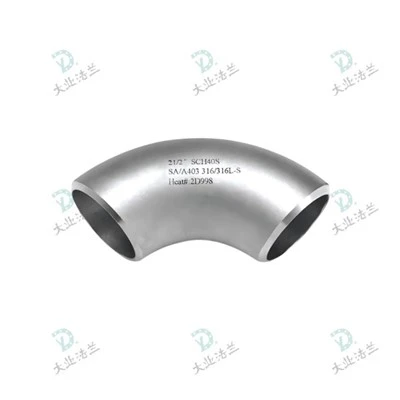
At the end of the day, commercial buildings are meant to be functional, safe, and long-lasting. The pipe fittings you use are a big part of that. You don’t have to settle for a standard fitting that might not fit your layout, might not hold up over time, or might cause delays. Other pipe fittings are a proven, code-compliant solution that solves unique problems, saves money in the long run, and keeps projects on track. If you’re working on a commercial project and you need a part that’s a little different, let’s connect to discuss your needs and find the right solution for you.
Other Pipe Fittings References
- International Code Council. (2021). International Building Code: Chapter 26—Plumbing.
- National Fire Protection Association. (2022). NFPA 13: Standard for the Installation of Sprinkler Systems.
- ASME International. (2020). B16.9: Factory-Made Wrought Steel Buttwelding Fittings.
- U.S. Environmental Protection Agency. (2019). Water Efficiency in Commercial Buildings: Plumbing System Guidelines.
- Smith, J. (2021). “Corrosion Resistance of Specialty Pipe Fittings for Commercial Infrastructure.” Journal of Construction Materials and Systems, 45(3), 112–127.
- Grooved Mechanical Fittings Association. (2022). Installation Guidelines for Commercial Fire Suppression and Plumbing Systems.
- National Association of Home Builders. (2020). Commercial Plumbing: Specialized Components for Unique Applications.
Zhejiang Daye Flange Co., Ltd.
Zhejiang Daye Flange Co., Ltd. is one of the most experienced pipe fittings manufacturers and suppliers in China. With a professional production team, we offer a wide range of flanges with superior quality and competitive price. Welcome to buy CE approved pipe fittings in stock here and get pricelist from our factory. We also accept customized orders.
Address: Headquarter: 8, Gangqiang Road, Yongxing Street, Longwan District, Wenzhou City, Zhejiang Province, China
E-mail: sales@dayeflange.com
WebSite: https://www.daye-flange.com/
