When it comes to the world of flat carrier tapes, a critical question that often arises is: What is the maximum weight capacity of flat carrier tapes? As a seasoned supplier of flat carrier tapes, I’ve encountered this inquiry numerous times from clients across various industries. In this blog, we’ll delve into the factors that determine the weight capacity of flat carrier tapes, the importance of understanding this capacity, and how it impacts different applications. Flat Carrier Tapes
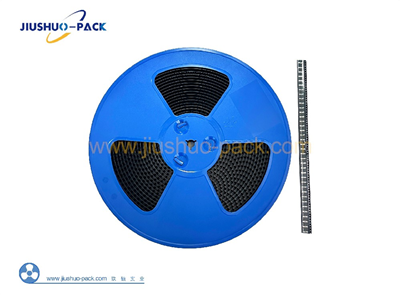
Understanding Flat Carrier Tapes
Flat carrier tapes are widely used in industries such as electronics, automotive, and manufacturing for transporting and protecting small components during production and assembly processes. These tapes are typically made of materials like polyvinyl chloride (PVC), polyethylene terephthalate (PET), or polyimide (PI), each with its own unique properties and characteristics.
The design of flat carrier tapes plays a crucial role in their performance. They feature pockets or cavities that are precisely engineered to hold components securely in place. The tape is then fed through automated machinery, allowing for efficient and accurate handling of the components.
Factors Affecting the Maximum Weight Capacity
The maximum weight capacity of flat carrier tapes is influenced by several key factors, including the material of the tape, its thickness, the design of the pockets, and the operating conditions. Let’s take a closer look at each of these factors:
Material
The choice of material is one of the most significant factors affecting the weight capacity of flat carrier tapes. Different materials have varying levels of strength and flexibility, which directly impact their ability to support weight. For example, polyimide tapes are known for their high temperature resistance and excellent mechanical properties, making them suitable for applications that require a higher weight capacity. On the other hand, PVC tapes are more flexible and cost-effective but may have a lower weight capacity.
Thickness
The thickness of the tape also plays a crucial role in determining its weight capacity. Thicker tapes generally have a higher weight capacity because they can withstand more stress and strain. However, it’s important to note that increasing the thickness of the tape also increases its cost and may affect its flexibility. Therefore, it’s essential to strike a balance between thickness and weight capacity based on the specific requirements of the application.
Pocket Design
The design of the pockets in the flat carrier tape is another critical factor. The size, shape, and depth of the pockets can all affect the tape’s ability to hold components securely and distribute the weight evenly. For instance, pockets that are too small may not be able to accommodate larger components, while pockets that are too large may cause the components to shift during transportation, leading to potential damage. Additionally, the number of pockets per unit length of the tape can impact the overall weight capacity. A higher density of pockets may result in a lower weight capacity per pocket.
Operating Conditions
The operating conditions, such as temperature, humidity, and vibration, can also have a significant impact on the maximum weight capacity of flat carrier tapes. High temperatures can cause the tape material to soften and lose its strength, reducing its weight capacity. Similarly, excessive humidity can lead to moisture absorption, which can weaken the tape and affect its performance. Vibration during transportation can also cause the components to move within the pockets, increasing the stress on the tape and potentially reducing its weight capacity.
Importance of Knowing the Maximum Weight Capacity
Understanding the maximum weight capacity of flat carrier tapes is crucial for several reasons. Firstly, it ensures the safe and reliable transportation of components. If the weight of the components exceeds the tape’s capacity, it can lead to tape breakage, component damage, and production downtime. By knowing the maximum weight capacity, manufacturers can select the appropriate tape for their application and avoid these costly issues.
Secondly, knowing the weight capacity helps in optimizing the design and performance of the production process. By choosing tapes with the right weight capacity, manufacturers can ensure efficient handling and assembly of components, reducing the risk of errors and improving productivity.
Finally, understanding the weight capacity is essential for regulatory compliance. In some industries, there are strict regulations regarding the transportation and handling of components, including limits on the weight that can be carried by carrier tapes. By adhering to these regulations, manufacturers can avoid potential legal issues and maintain a good reputation in the market.
Practical Applications and Weight Capacity Requirements
Different industries have different weight capacity requirements for flat carrier tapes. Let’s explore some of the common applications and their associated requirements:
Electronics Industry
In the electronics industry, flat carrier tapes are used to transport and protect delicate electronic components such as integrated circuits (ICs), resistors, and capacitors. These components are typically small and lightweight, so the weight capacity requirements for the tapes are relatively low. However, the tapes need to provide excellent protection against static electricity, dust, and moisture to ensure the integrity of the components.
Automotive Industry
The automotive industry uses flat carrier tapes for transporting larger and heavier components such as sensors, connectors, and small mechanical parts. These components can be significantly heavier than those in the electronics industry, so the tapes need to have a higher weight capacity. Additionally, the tapes must be able to withstand the harsh operating conditions in automotive manufacturing plants, including high temperatures, vibrations, and exposure to chemicals.
Manufacturing Industry
In the manufacturing industry, flat carrier tapes are used for a wide range of applications, from transporting small metal parts to large plastic components. The weight capacity requirements depend on the specific application, but in general, the tapes need to be strong and durable to handle the weight and stress of the components.
Testing and Determining the Maximum Weight Capacity
As a flat carrier tape supplier, we conduct rigorous testing to determine the maximum weight capacity of our tapes. Our testing process involves subjecting the tapes to various loads and conditions to simulate real-world applications. We use specialized equipment to measure the stress and strain on the tape and determine the point at which it fails.
In addition to our in-house testing, we also work closely with our clients to understand their specific requirements and provide customized solutions. We take into account factors such as the type of components, the production process, and the operating conditions to recommend the most suitable tape with the appropriate weight capacity.
Conclusion
In conclusion, the maximum weight capacity of flat carrier tapes is determined by a combination of factors, including the material, thickness, pocket design, and operating conditions. Understanding this capacity is crucial for ensuring the safe and efficient transportation of components, optimizing the production process, and complying with regulatory requirements.
Plastic Reel As a trusted supplier of flat carrier tapes, we are committed to providing high-quality products that meet the diverse needs of our clients. Our team of experts can help you select the right tape with the appropriate weight capacity for your specific application. If you have any questions or would like to discuss your flat carrier tape requirements, please don’t hesitate to contact us. We look forward to working with you to find the best solution for your business.
References
- "Handbook of Materials for Electronics Packaging", Edited by C. A. Dostal and S. D. Senturia
- "Introduction to Manufacturing Processes", Fourth Edition by Rajive Khurmi and J. K. Gupta
- "Automotive Engineering Handbook", Edited by Helmut K. Rauh and John A. Kiernan
Dongguan Jiushuo Industrial Co., Ltd.
As one of the most professional flat carrier tapes manufacturers and suppliers in China, we also support customized service. Please feel free to buy high quality flat carrier tapes made in China here from our factory. Contact us for more details.
Address: 11th Floor, Building 2, Chuangfu Center, Chashan Town, Dongguan City, Guangdong Province, China
E-mail: sales06@zaidaiw.com
WebSite: https://www.carriertape-pack.com/
