If you’ve ever popped the hood (or actually, taken a peek behind a rear wheel to check brakes), you’ve probably wondered this: do rear brakes have wheel cylinders? As a guy who’s been in the brake wheel cylinder supply game for over a decade, I get this question all the time from DIYers, small shop techs, and even fellow industry folks who just need a quick refresh. Let’s cut through the confusion, skip the jargon, and break this down straight—no fancy textbook fluff, just real talk from someone who’s shipped thousands of these cylinders to garages and car owners alike. Brake Wheel Cylinder

First, let’s keep it simple: wheel cylinders are a staple for drum brake systems, plain and simple. And almost every car, truck, and SUV on the road that uses drum brakes on the rear has a wheel cylinder there. Wait, “almost every”? Yeah, there’s a tiny exception, but we’ll get to that later. Let’s start with how drum brakes work because that’s the key here. Drum brakes aren’t like disc brakes, which use calipers and brake pads that clamp onto a rotor. Drum brakes have a round, hollow drum that spins with the wheel, and inside that drum are two curved brake shoes. When you hit the brakes, hydraulic pressure from the master cylinder pushes fluid through the lines to push those shoes outward, pressing them against the inside of the drum to slow the car down. That pushing force? That’s exactly what a wheel cylinder does. It’s the little hydraulic device that lives right at the top (or bottom, depending on the design) of each brake assembly, sitting between the two shoes. When fluid pressure hits it, two little pistons push out, each shoving one shoe to press against the drum.
“But wait,” I hear you say, “my car has disc brakes on the rear.” Fair. A lot of modern cars swapped rear drums for rear discs in the last 20 years for better performance and less maintenance. But even in those rear disc setups, do you need a wheel cylinder? Nope—rear disc brakes use a caliper, just like the front ones, which uses a piston to push a brake pad against a rotor. But that’s the only time rear brakes don’t have a wheel cylinder. If your car still has rear drums (and a lot of smaller trucks, older vans, budget commuter cars, and even some performance vehicles stick with rear drums for cost and durability), your rear brakes absolutely have wheel cylinders. That’s not a “maybe”—that’s a fact.
Now, let’s clear up a common mix-up: front vs. rear wheel cylinders. Front brakes (whether drum or disc) usually work with calipers too, but front drum setups would also have wheel cylinders, but front disc brakes don’t. The difference with rear drums? Their wheel cylinders have a special job: they also help the brake shoes adjust themselves as the shoes wear down over time. That’s called “self-adjusting,” and it’s a big reason rear wheel cylinders are a bit different from front ones. Front drum wheel cylinders don’t do that self-adjustment trick, but rear ones do. So not only do rear drum brakes have wheel cylinders, those cylinders are doing double duty—braking and keeping the shoe gap just right as parts wear. That’s why we see so many rear wheel cylinder replacements, actually. The self-adjusting mechanism can get gunked up with brake dust, moisture, and old brake fluid, which causes leaks or makes the brakes feel spongy.
Let’s talk about why someone might ask this question, too. If you’re replacing brakes, and you only checked the front, you might forget about the rear. Or maybe you saw a part list that says “front only” and wondered if rears are even necessary. Last year, a customer told me they replaced their front brakes and thought the rear drums were maintenance-free, so they ignored them. Three months later, their rear wheel cylinder leaked, and they were stuck on the side of the road. Ouch. That’s why knowing if your rear brakes have a wheel cylinder is critical. If you’re doing a brake job, you can’t skip the rear—they’re just as important as the front.
Now, that tiny exception I mentioned earlier. Is there any vehicle where rear drums don’t have wheel cylinders? Well, very rarely, some heavy-duty commercial trucks might use a different type of drum brake setup, like a hydraulic booster with a different actuation system, but that’s super rare and not something you’ll find on your daily driver. For 99% of passenger cars, SUVs, and light trucks on the road today, if it has rear drums, it has wheel cylinders. Period.
Let’s also touch on what happens when a rear wheel cylinder goes bad. It’s not a small issue. A leaking wheel cylinder can cause a loss of hydraulic pressure to the rear brakes, which means your stopping power is unbalanced (front brakes do most of the work, but if rears fail, you can skid or take way longer to stop). Also, since rear wheel cylinders help with self-adjustment, a bad one can lead to uneven brake shoe wear, which means you’re replacing shoes more often than you should. And let’s not forget—wheel cylinders are pretty affordable parts, but if you wait too long to replace a bad one, you might end up needing new brake shoes, drums, or even more expensive brake components. That’s why when we supply wheel cylinders to shops, we always tell them to inspect the rear cylinders when they’re doing any brake work.
I’ve been in this game long enough to know that a lot of people mix up wheel cylinders with brake calipers. That makes sense—both are hydraulic parts that push against brake components. But the key difference is wheel cylinders are for drum brakes, calipers for disc. So if your rear brakes are drums, you need a wheel cylinder; if they’re discs, calipers. It’s that simple. No trick, no hidden rule. The confusion usually comes when someone is working on a car they’re not super familiar with, or they’re looking at parts diagrams that label things differently. That’s why I always tell folks: if you’re not sure, pull off the rear wheel and take a look. You’ll see a small, round metal cylinder mounted on the back of the brake assembly, with hydraulic lines coming in to it. That’s your wheel cylinder. If that’s there, your rear brakes do have a wheel cylinder. If not, you’ve got calipers.
Now, let’s get to the part that matters if you’re actually dealing with brake work. If you’re a DIYer, a small brake shop, or someone in need of a replacement wheel cylinder, don’t guess. Make sure you get the right one for your vehicle—year, make, model, and even the trim can matter, since some vehicles have different rear brake setups. As a supplier, we know that getting the wrong part is a huge headache, so we always make sure our wheel cylinders are exact OE matches, tested for leaks, and built to last in all weather conditions (since rear cylinders are exposed to road salt, moisture, and brake dust).
Let me wrap this up so it’s clear. To answer the question straight: yes, rear brakes (specifically when they’re drum brakes, which is still common on a ton of vehicles) do have wheel cylinders. The only time they don’t is when your rear brakes are disc brakes, which use calipers instead. That’s not a controversial take, that’s just how drum brake systems work, and I’ve supplied wheel cylinders for decades based on that fact. Whether you’re replacing a worn out cylinder, doing a full brake job, or just curious how your brakes work, knowing this will save you time, money, and stress down the line.
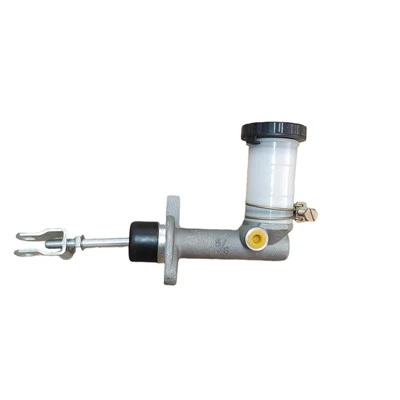
If you’re in need of quality brake wheel cylinders, or you just have questions about fit for your vehicle, reach out to us. We’re here to help make sure you get the right part, at a fair price, with the reliability your brakes need. Don’t wait until a leaky cylinder leaves you stranded—get in touch today to discuss your brake wheel cylinder requirements, and let’s make sure your rear brakes are working as they should.
Brake Master Cylinder References
- Automotive Brake Technology: Principles, Design, and Analysis. SAE International.
- Brake Systems for Passenger Vehicles. National Highway Traffic Safety Administration (NHTSA).
- “Wheel Cylinder Operation and Maintenance.” Automotive Service Excellence (ASE) Blue Seal Certification Study Guide.
- Drum Brake Design and Service. Bendix Commercial Vehicle Systems Technical Manual.
- Hydraulic Brake Systems Fundamentals. Society of Automotive Engineers (SAE) Technical Paper Series.
Ruian Xinyao Automobile Parts Co., Ltd.
With abundant experience, we are one of the most professional brake wheel cylinder manufacturers and suppliers in China. We warmly welcome you to wholesale bulk advanced brake wheel cylinder from our factory. If you have any enquiry about cooperation, please feel free to email us.
Address: No. 440, Binhai 6th Road, Longwan, Wenzhou City, Zhejiang Province, China
E-mail: 18969725686@163.com
WebSite: https://www.raxinyao.com/
