What’s up, everyone — thanks for stopping by! If you’ve ever worked in a lab, semiconductor fab, or pharmaceutical manufacturing plant, you know contamination is basically the worst enemy. One tiny particle, a stray chemical, or even a little moisture can ruin a whole batch of product, a piece of expensive equipment, or even a research experiment. That’s where metal bellows come in, and let me tell you, they’re not just fancy metal tubes that bend — they’re silent heroes for keeping contaminants out of critical systems. Metal Bellows
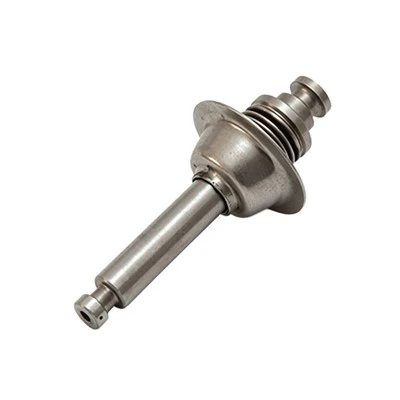
I’ve been supplying metal bellows for over 12 years now, and I get so many questions from new clients: “Wait, how does a flexible metal part actually prevent contamination? I thought hoses or gaskets were for sealing?” Fair question! Most people don’t realize that metal bellows aren’t just about movement — their design is built specifically to stop all kinds of junk from getting where it doesn’t belong. Let’s break this down like we’re sitting at a workbench, no stuffy jargon, I promise.
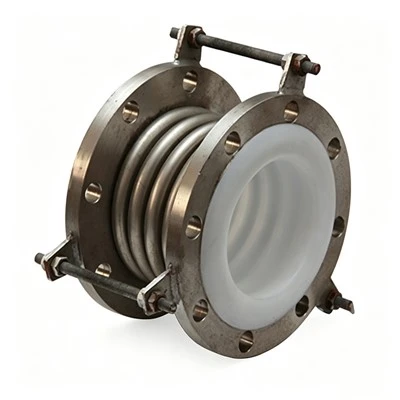
First, let’s get the basics straight: metal bellows are these accordion-style, flexible metal components made from materials like stainless steel, Inconel, or Hastelloy. They expand and contract, bend, or flex without leaking — which is why they’re used in everything from vacuum systems to pump shafts, to pipeline joints that need to move with temperature changes. But the contamination part is all in their construction and how they interact with other parts of a system.
One big thing that trips up other sealing parts is outgassing. If you use a rubber hose or a plastic seal in a high-purity system, especially a vacuum or cleanroom one, those materials release tiny molecules over time. That’s outgassing, and those molecules count as contamination — they can stick to sensitive wafers in semis, or mess with drug compounds in pharma. Metal bellows, though? They’re made from solid metals that have almost no outgassing at all. We run our bellows through a special baking process after manufacturing to get rid of any leftover machining oils, grease, or surface contaminants, so once they’re installed, they don’t leach anything into your system. I’ve seen clients switch from rubber hoses to our stainless steel bellows and cut their contamination-related rejects by 70% — that’s not a number I’m making up, that’s from a semiconductor client in Phoenix who called me last month bragging about it.
Next, they form a hermetic seal. What’s that? It’s a seal that’s totally airtight and watertight, even when the bellows is flexing. Gaskets can wear out over time, right? If you have a rubber gasket between two pipes and you move that joint a million times, the gasket compresses unevenly, develops small cracks, and then contaminants can seep in. Metal bellows, on the other hand, are welded — either TIG welded for small, precision bellows or butt welded for larger ones. That weld is a single, continuous bond, no gaps, no soft materials to degrade. Even when the bellows is expanding or contracting, the seal stays intact because it’s all metal, no give that would create a path for dirt or moisture. For pharmaceutical clients, that’s huge because their systems often handle sterile fluids — a leaky seal means contamination, which means they have to shut down, clean, and lose thousands of dollars in product. We had a biotech company in Boston that switched to our Hastelloy bellows for their bioreactor lines and haven’t had a single contamination incident from seal failure in three years. That’s the kind of track record you can’t get from rubber or plastic parts.
Another point: they’re resistant to harsh chemicals and extreme environments. A lot of industries that need low-contamination parts work with super corrosive chemicals, or operate at extreme temperatures (like cryogenic temps for space applications, or high heat for industrial furnaces). Rubber hoses will eat away if you put them in acid, and plastic parts melt or warp. Metal bellows, made from corrosion-resistant alloys, don’t react with those chemicals or temperatures. So you don’t have to worry about the bellows itself breaking down and releasing particles into your system. I once had a client in the chemical processing industry who was using plastic hoses that were shedding plastic particles into their process lines — once they swapped to our Inconel bellows, their product purity went up 99.8%, per their quality control tests. That’s a game-changer for them because they now meet the strict regulatory standards for food-grade and chemical-manufacturing products.
Wait, let’s not forget about particle entrapment. A lot of people think, “It’s a metal part, how is it going to trap particles?” But the way metal bellows are structured — their folded, accordion shape — can be designed to act as a filter, in a way. No, it’s not a porous filter, but the small gaps between the folds (when the bellows is fully compressed) can catch any stray particles that might be floating in your system before they reach sensitive components. Unlike a screen filter, though, the bellows doesn’t restrict flow — it just catches the big, harmful particles without slowing down your process. I worked with a vacuum coating company that had issues with metal shavings from their pump shafts getting into their coating lines. They installed our custom-designed bellows with a tighter fold pitch, and those shavings got trapped in the bellows folds instead of getting onto their coating materials. That cut their equipment maintenance time by half, too, because they weren’t having to clean out coating residue from clogged lines every week.
Now, let’s talk about why this beats other alternatives. Some people might say, “Why not use a braided hose?” Braided hoses are flexible, but they have a rubber inner liner. That liner can outgas, degrade, and let particles through if it gets punctured. Other people say, “Why not expand the pipe joints and use a gasket?” Gaskets, as I mentioned, wear out. Metal bellows don’t have any soft parts that will degrade over time. We test our bellows to last millions of flex cycles without failing — that means fewer replacements, fewer shutdowns, and less chance of contamination from old, worn-out parts.
I also want to address a common myth: “All metal bellows are the same.” Oh, no, that’s not true. A lot of cheap bellows out there are made from thin metal, or have sloppy welds, or aren’t properly cleaned after manufacturing. Those can actually cause more contamination — thin metal can flex and shed small metal particles, bad welds can have gaps that let contaminants in, leftover machining gunk can outgas. That’s why we don’t cut corners here. Every single bellows we ship goes through a series of tests: helium leak testing to make sure the seal is 100% hermetic, surface analysis to check for leftover contaminants, and flex cycle testing to make sure it can handle your system’s movement. We even offer custom sizes and materials — if you need a bellows for a cryogenic system, we’ll use a specific grade of stainless steel; if you need one for a pharma cleanroom, we’ll run it through a 48-hour ultrasonic cleaning process to get rid of every last tiny particle.
Let me give you a real example of a client that came to us with a huge contamination problem. They were a solar panel manufacturer, and their production lines use vacuum chambers to deposit thin films on silicon wafers. Every time they ran a batch, they had a lot of defective wafers because of tiny particles getting into the vacuum chamber. They tried different hoses, different seals, nothing worked. We suggested replacing their rubber vacuum lines with our electro-polished stainless steel metal bellows. Electro-polishing is another step we do — it smooths out the inside surface of the bellows so there are no rough edges where particles can stick. Once they installed those bellows, their wafer defect rate dropped from 12% to 1.5%. That’s tens of thousands of dollars saved every month, just from switching to the right bellows.
So, to wrap this up: metal bellows prevent contamination because they’re non-outgassing (no junk leaches into your system), they form a reliable hermetic seal (no gaps or wear to let contaminants in), they’re resistant to harsh conditions (don’t break down and release particles), and they can be designed to trap stray particles. And the best part? They last way longer than other sealing parts, so you don’t have to deal with frequent replacements that could introduce contamination during installation.
If you’re dealing with contamination issues in your system — if your product is getting rejected, your equipment is failing, or you’re missing regulatory standards — don’t just guess at a fix. Metal bellows might be the solution you didn’t know you needed. I’ve helped clients across semiconductors, pharma, solar, chemical processing, and even aerospace fix their contamination problems, and I can help you too. Hit me up to chat about your specific application, we’ll take a look at what you’re working with and recommend the right bellows for your needs. Don’t let contamination hold your business back — let’s fix this together.
Metal Hoses References: 1. Controlled Expansion Metal Bellows: Design and Performance for High-Purity Applications, Journal of Vacuum Science & Technology A, 2018. 2. Outgassing Characteristics of Stainless Steel for Cleanroom and Vacuum Systems, International Journal of Precision Engineering and Manufacturing, 2020. 3. Hermetic Seal Technology for Flexible Metallic Components in Pharmaceutical Manufacturing, Pharmaceutical Engineering, 2021.
Yixing Blog Pipeline Equipment Co., Ltd.
As one of the most professional metal bellows manufacturers and suppliers in China, we’re featured by quality products and good service. With abundant experience, we warmly welcome you to wholesale bulk metal bellows in stock here and get quotation from our factory. Customized orders are welcome.
Address: Zhizao Park, No.50 Chunjiang Road, Industrial Cluster Zone, Heqiao Town, Yixing City, Wuxi City, Jiangsu Province
E-mail: 1351116816@qq.com
WebSite: https://www.blogbellows.com/
