If you’re deep into market gardening, you already know how much of a game-changer the right gear is. No more hauling heavy crates of tomatoes, soil bags, or trellis stakes back and forth between your rows—this is where a solid garden cart stops being just a “nice-to-have” and becomes your daily workhorse. After working with market gardeners for years as a garden cart supplier, I’ve heard every pain point: carts that tip over with a full load, wheels that get stuck in mud, handles that hurt your wrists after an hour, and so on. Today, I’m breaking down exactly what to look for in the best garden cart for market gardening, and why it’s worth skipping the cheap junk from the big box store down the road. Garden Cart
First, let’s talk about what makes market gardening carts different from the cart you use to haul mulch around your residential yard. Market gardening isn’t just a small backyard plot—you’re moving consistent, heavy loads all day, every day. That might be 50-pound crates of harvested kale, 80-pound bags of potting soil, or even hand tools and trellis materials spread across a few acres. So the first non-negotiable is payload capacity. You don’t want a cart that tops out at 200 pounds if you’re hauling three or four times that on a regular basis. I’ve seen too many growers break thin steel frames or bend plastic tubs because they overloaded a cheap cart that was never built for that kind of work.
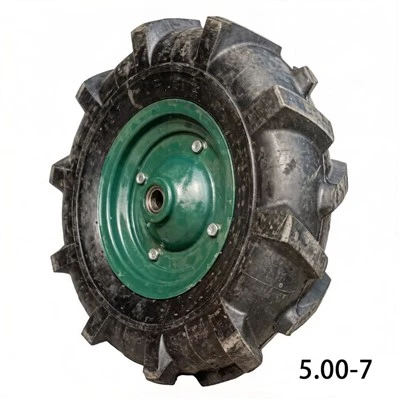
Next up is wheels and tires—this is the part most new growers sleep on, and it’s a huge mistake. Flat, hard plastic wheels might work for a weekend yard project, but out in the garden, you’ve got uneven soil, wet mud, grass clippings, and small rocks. Pneumatic tires (the ones with air in them) are way better here. They absorb bumps way easier, so you don’t have to jostle fragile produce and risk bruising. Bonus: they roll over mud or soft soil way better than solid wheels, so you won’t get stuck halfway between your raised beds and the packing area. Another thing to check: wheel size. 10-inch or 12-inch wheels are a must—anything smaller than that will sink in soft dirt or catch on tiny roots. We even sell a few carts with puncture-resistant pneumatic tires now, which is a lifesaver for growers who deal with thorns or sharp rock fragments on their plots. You don’t want to be halfway through harvest season with a flat tire and no way to get your crops to market.
Then there’s the bed and frame. Let’s be real—garden cart beds get beat up. You’re dragging them over rough ground, slamming crates in and out, pouring soil and compost, and sometimes even dragging heavy branches across the bottom. So a durable bed is key. Most good market gardening carts use either heavy-duty plastic (rotomolded, not thin cheap plastic) or steel. Rotomolded plastic is great because it’s lightweight, weather-resistant, and won’t rust if you leave it out in the rain. It also doesn’t scratch as easily as steel, so you won’t get tiny rust spots that get worse over time. But steel beds are heavier and can hold more weight if you need to haul super heavy loads, like full soil bags. Just make sure it’s galvanized or powder-coated to prevent rust—nothing’s worse than a cart that starts to corrode after one season. The frame is just as important. A steel frame is standard for heavy use, but you want something that’s welded well, not bolted together with cheap bolts that will snap after a few months. Aluminum frames are lighter, but they’re not as tough for daily heavy loads—so if you’re moving serious volume, stick with heavy-duty steel.
Handles might seem like a small detail, but trust me, they make or break how easy your cart is to use. If you’ve ever used a cart with thin, straight handles that dig into your palms after 10 minutes, you know exactly what I’m talking about. Ergonomic handles are a must. Look for ones that are curved, have a comfortable grip (rubber or padded, not bare metal), and are at the right height for you. If the handles are too low, you’ll hunch over all day and get a bad back. Too high, and you’ll strain your shoulders. Adjustable handles are even better if multiple people are using the cart—each person can set it to their own height. Another handy handle feature: a side pull or a brake? Wait, some carts have small brakes on the wheels, which is a huge win if you’re working on sloped ground. You won’t have to fight the cart rolling away while you load or unload crates. That’s a total game-changer for growers with plots on even a mild incline.
Now, let’s talk about extra features that make market gardening carts stand out from regular ones. First, dump functionality. Can you tilt the bed to dump soil, compost, or produce without having to lift the whole heavy load? Most decent market carts have a dump lever that lets you tilt the bed, and some even have a latch to hold it open while you empty. That saves so much time and energy—no more straining to tip a full bed of 100 pounds of potatoes. Another great feature: collapsible sides or removable beds. If you need to haul really tall items, like trellis poles or large bales of straw, removable side panels let you customize the height. Or, if you just need a small cart for tools, you can take the sides off entirely. Some carts also have a built-in tool holder or mesh pockets—perfect for tucking your pruning shears, tape measure, or seed packets so you don’t have to run back to the shed every five minutes.
Wait, what about when you’re not using the cart? Storage matters too. If you have a small garden shed, a cart that folds or collapses in some way is way easier to store. The big heavy steel carts can take up a ton of space, so collapsible handles or a bed that can detach make a huge difference for growers with limited storage. That’s something we hear a lot—growers love carts that don’t eat up half their shed when the season ends.
Now, let’s get real about common mistakes I see growers making when they pick a cart. First, going for the cheapest option possible. I get it—when you’re starting out, budget is tight. But a $50 cart from a home improvement store will break in a month, and then you’re out more money replacing it than if you’d just spent $150 on a good quality cart that lasts 5+ years. Second, not thinking about their specific use case. If you’re growing leafy greens that bruise easily, you want a cart with a smooth bed, not one with metal slats that can tear leaves. If you’re hauling heavy soil or root vegetables, you need the highest payload capacity possible, not a lightweight cart meant for yard waste. Third, ignoring maintenance. Even the best cart will wear out if you don’t take care of it. Make sure to inflate pneumatic tires to the right pressure, wipe out dirt and mud after use to prevent rust, and check bolts regularly to make sure they’re tight.
Let me also share a quick example of a cart we’ve worked with that’s super popular among market gardeners. It has a 600-pound payload capacity, puncture-resistant pneumatic tires, a rotomolded plastic bed that resists scratches and rust, ergonomic padded handles, and a dump lever that lets you tilt the bed all the way over for easy emptying. It’s also collapsible, so it fits in a small shed when not in use. A grower in Ohio who works 2 acres of market produce told us last year that this cart cut his load time by half—he used to spend two hours a day hauling crops to the packing shed, now he does it in an hour. That’s the kind of impact the right cart can have on your workflow.
Wait, another thing: durability over time. Market gardening is a long season—from early spring prep all the way through fall harvest. Your cart has to hold up through rain, mud, sun, and rough use. We’ve had growers send us photos of carts they’ve had for 7 or 8 years, and they still work great. The key is investing in a cart built for constant, heavy use, not occasional weekend projects.
So putting it all together, the best garden cart for market gardening checks these boxes: 600-pound minimum payload capacity, 10-inch+ pneumatic (preferably puncture-resistant) wheels, rotomolded or galvanized steel bed, ergonomic adjustable handles, easy dump functionality, and features that fit your specific needs (like removable sides for tall items, or brakes for sloped ground).

If you’re a market gardener looking to upgrade your cart, or you’re just starting out and need something that works for daily use, we’ve got you covered. We’ve designed and tested these carts specifically for the unique demands of market gardening, so you don’t have to deal with the frustrations of cheap, poorly built carts. Whether you’re hauling harvests, soil, tools, or supplies, our carts are built to last and make your work easier. If you’re ready to chat about what cart fits your specific setup, or you have questions about payload, wheel type, or features, reach out to our team to start a conversation. We can help you pick the right cart for your garden size and needs, no guesswork required.
Service Carts REFERENCES
- "Market Gardening Equipment: A Guide to Selecting Tools for Small-Scale Commercial Production." Small Farm Center, University of California Agriculture and Natural Resources.
- "Wheel and Tire Selection for Agricultural Applications." American Society of Agricultural and Biological Engineers, 2021.
- "Durability and Maintenance of Heavy-Duty Garden Carts." Journal of Sustainable Agriculture and Horticulture, 2022.
- "Ergonomic Tools for Reducing Musculoskeletal Strain in Horticultural Work." International Journal of Horticultural Science, 2020.
Qingdao Herzhe Tools Manufacturing Co., Ltd.
Qingdao Herzhe Tools Manufacturing Co., Ltd. is one of the most professional garden cart manufacturers and suppliers in China. We have world-leading production equipment and strong manufacturing capabilities. Please feel free to buy advanced garden cart at competitive price from our factory.
Address: No.406 Shuangfushan Road, Baoshan Town, Qingdao CHINA
E-mail: herzhetool@163.com
WebSite: https://www.herzhetoolsmfg.com/
