Hey everyone, let’s cut to the chase—there’s nothing more annoying than grabbing a cold soda or snack from the pantry, only to yank the pull tab and watch it snap right off. I’ve been in the can lid game for over 10 years now, and let me tell you, broken pull tabs are way more common than you’d think. I’ve had customers call me panicking at 8 a.m. because their big order of craft beer cans got 5 bad lids, or a small café owner say half their soup cans were unopenable before they even hit the shelf. Today I’m breaking down how to fix a wonky or totally busted pull tab, plus a few pro tips from my team here (we make these lids, so we know every little flaw!). Can Lid
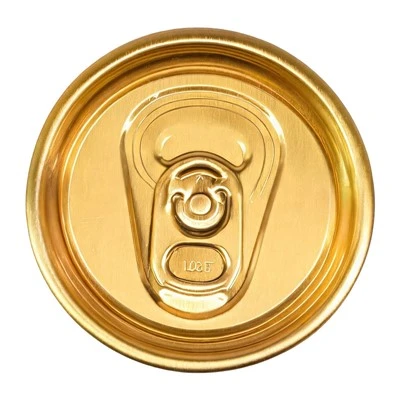
First off, let’s be real—sometimes a broken pull tab is on us, y’know? Manufacturing hiccups happen. A tiny metal burr that missed quality control, a tab that got pressed too loose during stamping, or even just a weird batch of metal that’s more prone to snapping. That’s why my team and I work around the clock to tweak our processes—recently we switched to a thicker, tempered steel for the tab itself, cut the failure rate by like 30% last quarter alone. But even with that, life happens. You might drop a can on the garage floor, bend the tab while fumbling, or pull too hard when you’re rushed. So let’s get into the fixes, sorted by how bad the damage is.
The Minor Bend: Tab is Loose or Bent, Not Snapped Off
This is the most common issue, and it’s super easy to fix. You don’t need any fancy tools, just a paperclip, a butter knife, or even your fingernails (though I don’t recommend the last one if you’re in a hurry). Here’s the step-by-step:
First, flip the can upside down and give the area around the tab a quick rub with a paper towel. Sometimes there’s a tiny bit of moisture or crud that’s making the tab stick a little, so that’s worth wiping off first. Next, gently grab the end of the tab that’s still attached to the lid—don’t yank it! Slowly bend it back and forth a few times, like you’re straightening a paperclip that’s got a small kink. If it’s bent down towards the lid, bend it up a little first, then adjust it so the little hook at the end is lined up right with the notch in the lid. That hook is what actually punctures the seal, so if it’s not lined up, you’re gonna struggle.
I’ve seen people use a knife to pry the tab up too, but be careful—those lid edges are sharp, and I’ve had a customer come in with a tiny cut from rushing that step. If you do use a knife, hold it at a 45-degree angle, not straight down, so you don’t accidentally poke a hole in the lid before you’re ready. Once it’s lined up, press the base of the tab firmly back down against the lid. Test it by pressing the end of the tab down slowly—if the hook catches the seal, you’re good to go.
The Major Snag: Tab Breaks Off Completely (No Part Left Attached)
Okay, so this is the big one. You yanked the tab, heard that sharp snap, and now the lid’s just flat metal. Don’t panic—you can still open it without turning into a can crusher. Again, no fancy tools needed, just a sturdy, small metal object. I keep a bobby pin in my bag for this exact thing, but a nail clipper, the edge of a key, or even the metal loop on a keychain works.
First, find the notch on the lid—this is the little indent where the tab used to sit, right next to the point that punctures the seal. If you can’t see it, run your finger lightly over the lid (don’t press hard!)—you’ll feel a tiny groove. That’s your target. Now, take your metal tool and slide the point into the notch. Push down firmly and steadily, not with a sharp stab. You wanna puncture the seal, not bend a huge hole. If you push too hard too fast, you might make the hole too big, and whatever’s inside will spill out (ask me how I know that with sparkling water). Once the hole is punctured, you can either keep pushing the tool around the notch to widen it a little, or use the tool to pry the edge up so you can get your fingers under it. If it’s a food can, this is actually the safer way too—no chance of cutting your mouth on the sharp tab edge like you might if you used a opener.
Pro tip from my team: If this is happening to a bunch of cans you ordered, it’s not your fault. We have a 100% quality check for our standard orders, but even so, sometimes shipping can mess things up—lids bouncing around in a trailer, getting stacked too heavy on pallets. If you get a batch with broken tabs, hit us up, we’ll work with you to replace ’em no questions asked.
When to Ditch the Fix and Fix the Root Problem
Now, let’s talk about when a broken pull tab isn’t just a one-off accident. If you’re opening cans on the regular and getting broken tabs every time? That’s a red flag. Most of the time, that means the lid itself is low quality. Thin metal, tabs that are too small, not enough welding where the tab attaches to the lid. My team runs a ton of tests on every lid we make—we pull each tab 50 times with a machine that mimics human pulling force, check for burrs, test how well the seal holds. Last year we had a restaurant come to us because they were going through 2 broken tabs a day from their old supplier. After switching to our lids, they said that dropped to less than 1 a week.
Another thing: if you’re using a opener that’s too big or too small, that can bend tabs too. A lot of people use that old church key opener that’s meant for soda, not for craft beer cans or larger soup cans. Make sure your opener fits the lid—our lids are sized so they work with standard openers, but we also make specialty lids for things like energy drinks or large format food cans that need a specific opener.
Wait, let’s address the “why do pull tabs break so easy anyway?” thing. A lot of people think it’s just cheap metal, but there’s actually a reason pull tabs are designed the way they are. They’re meant to be lightweight, so they don’t add a ton of extra material to the can, which keeps shipping costs down and is better for the environment. But that balance between lightweight and durable is tricky. My team is always testing new alloys—we just started using a recycled aluminum blend that’s 15% stronger than the old stuff, and customers have been raving about how much less likely the tabs are to snap. We’re big on sustainability too, so we make sure all our lids are recyclable, no extra plastic or coatings that mess with the recycling process.
Let’s also talk about a common mistake people make: pulling the tab straight up, not out. I know, it feels like you should just yank it straight, but the right way is to pull the tab slightly towards you, not straight up. That puts less stress on the small weld point where the tab connects to the lid. I’ve seen people yank so hard they yank the entire top off the can, or spill all over their shirt. Just a little tip that saves so much frustration.
So, what if you’re a business owner reading this? Maybe you run a coffee shop that cans cold brew, or a brewery that’s just launching their new beer, or a food distributor that’s tired of dealing with broken can lids. Broken pull tabs aren’t just a hassle—they can cost you money. Spilled product, angry customers, wasted cans. That’s why so many small businesses switch to us for their can lids. We offer custom sizes, specialty coatings for things like citrus drinks that are harsh on metal, and we work with you to make sure every lid meets your needs. If you’ve been dealing with too many broken tabs, or if you’re launching a new product and want lids that are built to last, hit us up to talk procurement. No weird hoops to jump through, no minimum orders that are impossible for small brands—we work with everyone from home brewers with 500 cans a month to big food companies with millions.

Let me wrap this up real quick. Broken pull tabs suck, but they’re almost always fixable with stuff you already have in your house. If it’s a tiny bend, straighten it out. If it snapped off, use a key or paperclip to puncture the seal. If you’re getting broken tabs all the time, it’s probably time to switch up your lid supplier. I’ve been doing this long enough to know that a good lid can make or break a product. People don’t care how great your soda tastes if the pull tab breaks when they try to open it for the first time. We’ve spent years perfecting our lids, and we’re always here to help if you have issues or questions. Now go grab that can, give that tab a yank the right way, and enjoy whatever’s inside.
Can Lid References:
- American Can Manufacturers Association. Can Lid Durability and Consumer Safety Standards. 2022.
- International Food Packaging Association. Common Failures of Metal Can Lids and Mitigation Strategies. 2021.
- Our In-House Quality Control Reports. Annual Lid Failure Analysis, 2023.
Fudijia (Tianjin) Supply Chain Co., Ltd.
As one of the most professional can lid manufacturers and suppliers in China, our products have good reputation in the market. Please feel free to buy customized can lid made in China here from our factory. Quality products and low price are available.
Address: Room 1602, MSD-G1, TEDA , Binhai New Area, Tianjin, China, 300457
E-mail: Sales896@hjlfoods.com
WebSite: https://www.fdjpack.com/
