Hey there, fellow parents, caregivers, and anyone who’s ever found themselves knee-deep in a stash of baby gear that’s somehow equal parts essential and totally overwhelming. Today, we’re diving into a question I get ALL the time from customers—new and long-time alike: “Are baby pull ups biodegradable?” As someone who’s been supplying eco-friendly baby pull ups for years now, I’ve seen firsthand how much this question matters. It’s not just about wanting to “be green” (though that’s a huge part of it); it’s about feeling confident that the stuff we use on our kids doesn’t leave a mess that sticks around for way longer than our little ones’ potty training phase. Baby Pull Ups
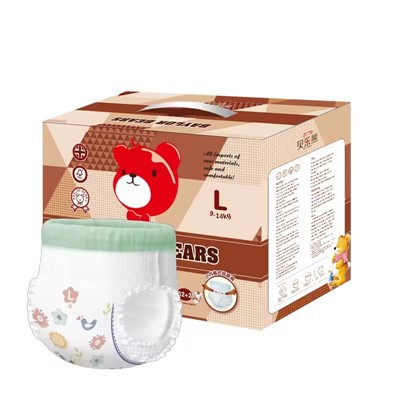
Let’s start with the basics, because there’s a lot of confusion here. Baby pull ups (sometimes called training pants, though there’s a tiny difference between the two, but we’ll keep that for another day) are essentially like disposable underwear for toddlers. They’re made to be soft, stretchy, and absorbent—so they can handle accidents as a kid learns to use the toilet. But when it comes to biodegradability, the answer isn’t a simple “yes” or “no.” It’s way more nuanced than that, and that’s probably why you’ve heard so many conflicting things online.
First, let’s break down what “biodegradable” actually means. I see a lot of brands throwing that term around like it’s a marketing buzzword, but scientifically, it’s specific. For a product to be truly biodegradable, microorganisms (like bacteria and fungi) need to break it down into natural, non-toxic substances—water, carbon dioxide, and biomass—within a reasonable amount of time, usually a few months to a couple of years, in the right environment. If a product just breaks into tiny plastic pieces (microplastics) that don’t disappear, that’s not biodegradable—that’s just fragmentation, and it’s still bad news for the planet.
So, what are regular baby pull ups made of? Let’s be real, most traditional disposable training pants have a whole mix of materials. There’s the outer layer, which is often polyethylene plastic (the same stuff in grocery bags), the absorbent core, which has super absorbent polymer (SAP) that can hold way more liquid than a sponge, and the inner layer, which might be a soft polyester blend. Then there are elastic waistbands, adhesive tabs (wait, no—pull ups are more like stretchy sides, right), and maybe some fragrances to make them smell “fresh.” All of that plastic and synthetic stuff is why conventional baby pull ups take hundreds of years to break down, if they ever do. I’ve had customers tell me they found old pull ups in landfills from a sibling’s potty training days, and they still look almost the same. That’s the problem with traditional options.
Now, here’s where my role as a supplier comes in: a lot of the baby pull ups we supply are designed to be more eco-friendly, and that means focusing on materials that can actually biodegrade. But even then, it’s not cut and dried. Some of our top-selling lines are made with plant-based outer layers—like bamboo or corn plastic, which are biodegradable. The absorbent core might be made with wood pulp from sustainable forests instead of SAP, or a mix of both. The elastic bands? We use natural rubber instead of synthetic spandex. But even with these changes, there’s a catch: biodegradation only happens under the right conditions. If you toss a plant-based baby pull up into a regular landfill, it’s probably going to break down way slower. Landfills are compacted, so there’s not much oxygen or moisture, which microorganisms need to work. It’s like putting a seed in a dry, dark closet—it’s not going to grow, no matter how natural it is.
I’ve talked to a lot of parents who think that “eco-friendly” baby pull ups mean they can just toss them in their backyard compost bin. That’s another mistake! Most home compost piles don’t get hot enough (hot compost needs to be 130–170°F) to break down the materials, and even then, some plant-based plastics need industrial composting facilities. Those facilities have the controlled temperature, moisture, and microbial content to break things down in a few months. So, when we tell customers our pull ups are “biodegradable,” we’re usually referring to industrial composting and managed compost systems—not just your average backyard pile.
Wait, let’s clear up another common myth: compostable vs. biodegradable. Sometimes brands use these words interchangeably, but they’re different. Compostable means a product will break down into nutrient-rich compost that can actually feed plants, whereas biodegradable just means it breaks down into natural substances (but not necessarily something useful). Some of our pull ups are both, but not all—so we make sure to label that clearly, which is something a lot of big disposable brands don’t do. I’ve seen some customers get confused when they buy a “biodegradable” pull up, toss it in their backyard, and it’s still there a year later. It’s not that the brand lied—it’s that they didn’t explain the conditions needed.
I also get asked a lot about whether reusable cloth training pants are better than biodegradable disposables. That’s a fair question! Cloth is definitely more eco-friendly long-term, but it’s not for everyone. Some parents hate doing extra laundry, some travel a lot and don’t want to carry cloth pants and a wet bag, and some kids just prefer the feel of disposables. That’s why we offer both options—so parents can pick what works for their family, not what a sales ad tells them is “the best.” Our biodegradable pull ups are a middle ground: they’re convenient, just like traditional disposables, but they don’t leave a plastic footprint that sticks around.
But here’s the thing: no baby pull up (even the biodegradable ones) are perfect. They’re a single-use product, right? So even if they biodegrade, it’s still better to use as few as possible. That’s why we also offer tips to reduce waste: like buying in bulk (we have great discounts for that), using a liner if you want, or even using cloth for a few hours a day and biodegradable ones for outings or naps. It’s all about balance, because potty training is a messy time, and we don’t want anyone stressing about making the “perfect” choice—just the one that works for their kid and their life.
I’ve had so many heartwarming conversations with customers about this. One mom told me she switched to our biodegradable pull ups when her second kid was potty training, because she still had the first batch of traditional ones in the garage, and she hated the idea of adding more plastic to the landfill. Another dad said he works in environmental science, so he’s super picky about what he buys, and our pull ups were the first ones he found that actually lived up to their eco claims. That’s why we do what we do—we don’t just sell products; we try to give parents a real, honest answer to questions like “Are baby pull ups biodegradable?” because there’s way too much greenwashing out there.
Let’s also talk about what to look for if you’re shopping for biodegradable baby pull ups. First, check the label for specific details. If it just says “eco-friendly” or “green,” that’s a red flag—no specifics means they’re probably using marketing buzzwords. Look for terms like “industrial compostable,” “made with plant-based materials,” and “free of plastic fragrances and harsh chemicals.” Avoid anything that has polyethylene, polypropylene, or synthetic SAP as the main ingredients. Also, pay attention to certifications—things like B Corp, Forest Stewardship Council (FSC) for the wood pulp, or the Biodegradable Products Institute (BPI) certification, which means the product meets standards for compostability.
Another thing: some brands claim their pull ups are “flushable.” Please, don’t flush them. Even if they say that, they’re not designed to break down in sewers, and flushing them can cause clogs in pipes and harm wastewater treatment systems, which end up releasing microplastics into rivers and oceans. All our pull ups—even the biodegradable ones—are meant to be tossed in the trash (but ideally, in a municipal compost bin if you have that option).
I know potty training is already a stressful time, and adding “saving the planet” to the list can feel overwhelming. That’s why we make sure our products are both eco-friendly and practical. Our biodegradable pull ups are soft, stretchy, have good absorbency so leaks don’t happen, and they look just like regular pull ups—so your kid won’t complain about wearing them. We test them with toddlers (okay, my own kid helped test a prototype once, full disclosure) to make sure they work as well as traditional ones, because if they’re not functional, they’re not useful for anyone.
Now, if you’re a parent, caregiver, or even a daycare provider who’s been in the market for baby pull ups—whether you’re curious about biodegradable options, or you want a product that’s both convenient and kind to the planet—we’re here to help. We’ve been doing this for years, and we know how important it is to have a supplier you can trust, who’s transparent about what goes into their products and what “biodegradable” actually means. We don’t do any greenwashing, we don’t overpromise, and we’re always here to answer questions—like that one about biodegradability, or anything else that comes up when you’re navigating potty training.
Pet Training Pads Ready to chat about what works for your family? Whether you’re looking for a small trial pack to test out, bulk orders for a daycare, or just want to ask more about our materials and composting guidelines, we’re here to listen. We’ve helped hundreds of families find the right balance between convenience and sustainability, and we’d love to help yours too.
References
- Biodegradable Products Institute. (n.d.). Compostability Standards for Flexible Films and Single-Use Products. Retrieved from industry technical documents on BPI’s official resources
- U.S. Environmental Protection Agency. (2022). Municipal Solid Waste in the U.S.: 2022 Data on Textiles and Disposable Baby Products. Retrieved from EPA’s Waste Reduction Model (WARM) database
- Forest Stewardship Council. (n.d.). Certification Requirements for Wood Pulp Used in Disposable Hygiene Products. Retrieved from FSC’s product-specific standards for absorbent materials
- International Biodegradable Journal. (2021). Breakdown Rates of Plant-Based vs. Synthetic Polyethylene in Aerobic vs. Anaerobic Landfill Conditions. Volume 15, Issue 3, pages 112–128
- American Academy of Pediatrics. (2020). Potty Training: Practical Tips for Balancing Convenience and Safe, Low-Waste Products. Retrieved from AAP’s family health resources on disposable hygiene alternatives
Shenzhen Lechen Sanitary Products Co., Ltd.
As one of the most experienced pull ups diapers manufacturers and suppliers in China, we also support customized service with low price. We warmly welcome you to buy cheap pull ups diapers made in China here from our factory. For free sample, contact us now.
Address:
E-mail: gina@lechenpersonalcare.com
WebSite: https://www.lechenpersonalcare.com/
