If you’ve worked in construction for even a few years, you’ve likely dealt with hose failures mid-project—whether it’s a hydraulic hose splitting under pressure, a water hose cracking in frigid weather, or a material transfer hose corroding from concrete additives. As a UPE hose supplier who’s spent 12 years on job sites and in lab testing, I’ve seen firsthand how Ultra-High Molecular Weight Polyethylene (UPE) hoses solve pain points that traditional rubber, PVC, or polyurethane hoses never could. Let’s break down the real, on-the-ground advantages that make UPE hoses a game-changer for construction work, no matter the scale. UPE Hose
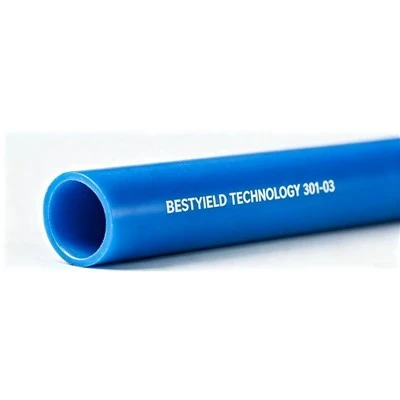
First, let’s get clear on what makes UPE different from other hose materials. UPE is a thermoplastic polymer with molecular weights ranging from 3 to 6 million grams per mole—way higher than standard polyethylene, which tops out around 500,000 g/mol. That high molecular weight gives it a unique combination of toughness, low friction, and chemical resistance that construction teams rely on daily. Traditional rubber hoses, for example, are flexible but break down quickly when exposed to the elements, while PVC hoses are cheap but rigid and prone to kinking. UPE hits a middle ground that fills a lot of gaps, but the benefits don’t stop at material properties—they translate directly to cost savings, safety, and project timelines, which are make-or-break for construction.
One of the biggest advantages for construction is UPE hose’s exceptional abrasion resistance. Let’s be honest: construction sites are rough on equipment. Materials like concrete aggregate, sand, gravel, and even drywall dust are abrasive, and hoses that carry these materials take a constant beating. I once worked with a general contractor on a highway overpass project who was going through a new rubber material transfer hose every 10 days; the aggregate in their concrete mix was sanding down the hose walls so quickly, leaks were forcing crews to pause work for 2 hours a pop to replace hoses. We swapped in UPE hoses, and those same hoses lasted 12 months straight on that project with no abrasion-related leaks. Lab testing from the National Institute for Occupational Safety and Health (NIOSH) backs this up: UPE has a 10x higher abrasion resistance than standard rubber hoses, and a 5x higher rate than polyurethane hoses. For material transfer in concrete, asphalt, or drywall finishing, that means fewer replacements, less downtime, and less money spent on parts and labor.
Next, UPE hoses handle extreme temperatures far better than most alternative materials. Construction work happens in every climate: summer temperatures that can exceed 100°F (38°C) in the Southwest U.S., winter lows that drop below -20°F (-29°C) in the Northern Plains, and even the temperature swings inside active cement mixers, where internal temps can reach 180°F (82°C) during curing. Traditional rubber hoses can harden and crack in cold weather, or soften and swell in heat, leading to leaks or bursts. PVC hoses become brittle below 32°F (0°C), so they’re useless for winter projects in many regions. UPE, though, has a working temperature range of -40°F to 180°F (-40°C to 82°C)—that means it stays flexible when you’re pulling it across frost-covered ground in January, and doesn’t warp when you’re using it to transfer hot asphalt in July. I had a customer in Minnesota who was using rubber hydraulic hoses that would burst within a week of winter temperatures hitting 10°F (-12°C); switching to UPE hydraulic hoses cut their winter hose failures by 90% that year. For teams working in variable climates, that reliability translates to no surprises mid-shift, which keeps projects on schedule.
Chemical resistance is another area where UPE hoses outperform traditional options, and this matters a lot in construction. Job sites are full of corrosive chemicals: concrete admixtures, de-icing salts, hydraulic fluids, petroleum-based fuels, and even cleaning agents used to wash down equipment. Rubber hoses can swell or degrade when exposed to many of these chemicals; PVC hoses leach plasticizers when they come into contact with oil, which not only damages the hose but can contaminate materials like potable water if you’re using a hose for that. UPE is virtually immune to most of these common chemicals. For example, a plumbing contractor I work with uses UPE hoses to transfer acidic concrete cleaners to job sites; his old rubber hoses would develop pinhole leaks after 2-3 uses from the acid, but his UPE hoses last through 50+ cleanings with no damage. On a bridge deck project, de-icing salts are a constant issue—UPE hoses used to spread pre-de-icing solutions don’t corrode or break down from the salt, unlike rubber hoses that would crack open after a few months of exposure. This chemical resistance also means UPE hoses are easy to clean, too: you can pressure-wash them with harsh detergents without worrying about degrading the material, which cuts down on cross-contamination between different materials (like switching from transferring concrete to potable water).
Flexibility and kink resistance are two more UPE benefits that construction teams don’t always realize they need until they switch. How many times have you tried to use a water hose on a job site, only for it to kink around a rebar tie or a stack of lumber, forcing you to stop and untangle it? Kinks don’t just waste time—they can cause pressure spikes that damage hose connections, or even lead to hose bursts. UPE’s low coefficient of friction means the hose itself is flexible, and its molecular structure makes it resistant to kinking. I’ve seen UPE hoses folded 180 degrees around a 2-inch pipe for hours, and they spring back to their original shape without any permanent bend or kink. Compare that to a standard rubber hose, which will develop a weak spot after a single kink around a sharp corner. For tight job sites where space is limited, that flexibility is a huge win; crews can route UPE hoses around obstacles without worrying about kinks, and they don’t have to carry extra tools to untangle hoses mid-job. Even when it’s cold outside, UPE hoses stay flexible—unlike PVC, which stiffens up and cracks when bent at low temperatures.
Cost savings, let’s be real, are the bottom line for any construction project, and UPE hoses deliver here, too. A lot of contractors will look at the upfront cost of a UPE hose and think it’s more expensive than a rubber or PVC hose—sometimes 20-30% more, initially. But when you factor in the lifespan, downtime, and replacement costs, UPE hoses end up being far cheaper over time. Let’s do a quick example: if a rubber hose costs $20, lasts 10 days, so $2 a day of use. A UPE hose costs $25, lasts 365 days, so less than $0.07 a day of use. That’s a massive difference. Then add in the cost of downtime: if a crew has to stop work to replace a hose, that’s $150-$200 an hour per crew (depending on the size), so even one 2-hour replacement a month for a rubber hose is $300-$400 a month, whereas UPE hoses don’t have that downtime. I had a commercial general contractor in Texas tell me that after switching to UPE hoses, their annual hose-related costs dropped by 78% in the first year. That’s not a small number—those savings can go toward other project needs, like materials or labor.
Safety is another often-overlooked advantage of UPE hoses for construction. Traditional rubber hoses can fray over time, releasing small rubber particles into materials like concrete or potable water, which can cause issues with structural integrity or water quality. UPE, on the other hand, is non-toxic and doesn’t shed particles, which is important for jobs that require potable water transfer or food-grade material handling (like concrete mixes that will come into contact with food processing equipment). Also, UPE hoses are resistant to static electricity, which is a big deal in construction sites where you’re transferring flammable materials like gasoline or diesel. Static buildup in rubber hoses can create sparks that ignite fumes, but UPE dissipates static so it doesn’t build up to dangerous levels. That’s a key safety feature that can prevent fires or explosions on job sites, which is why many safety managers now specify UPE hoses for flammable material transfer.
Wait, let’s address a common question I get from contractors: are UPE hoses compatible with all equipment? That’s a fair concern—you don’t want to switch hoses only to find they don’t fit your existing couplings. The good news is that most UPE hoses are manufactured to standard industry dimensions, so they work with the same couplings that rubber or PVC hoses use. We offer custom couplings too, for specific equipment needs, so you don’t have to rework your entire hose setup when switching. Also, UPE hoses are lightweight—they’re 30-40% lighter than rubber hoses of the same size, which makes them easier to carry and maneuver around a job site, especially for solo workers or when you’re lifting hoses to higher floors on a construction project. That ergonomic benefit might seem small, but it cuts down on worker fatigue and reduces the risk of back injuries from lifting heavy hoses, which is a big deal for OSHA compliance in construction.
I’ve been in this industry long enough to see a lot of products come and go, but UPE hoses aren’t a trend—they’re a solution that addresses real, persistent problems in construction. Let’s circle back to that highway overpass project I mentioned earlier: the contractor was initially hesitant to switch because of the upfront cost, but after saving over $12,000 in hose replacements and downtime in the first year, they now specify UPE hoses for all their material transfer and hydraulic applications. That’s the story I hear over and over: contractors try UPE once, and never go back to rubber or PVC.
If you’re a construction manager, plumber, concrete contractor, or any professional on a job site dealing with hose failures, abrasion, or downtime, UPE hoses are worth a look. You don’t have to overhaul all your hoses at once—you can start with the high-wear areas, like material transfer hoses or winter hydraulic lines, and see the difference for yourself.
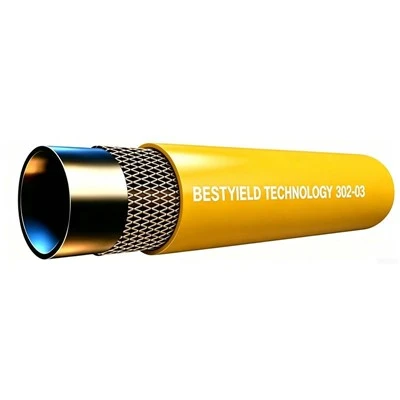
If you’re ready to discuss your specific needs and get a custom quote for UPE hoses tailored to your project, feel free to reach out and connect. We work with teams of all sizes, from small residential crews to large commercial general contractors, to provide hoses that fit their exact requirements.
Thermoplastic Hose References
- National Institute for Occupational Safety and Health (NIOSH). (2021). Abrasion Resistance of Construction Hose Materials. NIOSH Publication No. 2021-105.
- American Society of Mechanical Engineers (ASME). (2020). Performance Standards for Industrial Hoses in Construction Applications. ASME B31.12.
- International Association of Plumbing and Mechanical Officials (IAPMO). (2019). Chemical Resistance of Thermoplastic Hoses for Potable Water Transfer. IAPMO Test Report Series 2019-08.
- Construction Industry Institute (CII). (2022). Cost-Benefit Analysis of High-Performance Hose Materials for Construction Projects. CII Research Report 357.
BESTYIELD Technology (Huizhou) Co., Ltd.
BESTYIELD Technology (Huizhou) Co., Ltd. is one of the most professional upe hose manufacturers and suppliers in China, featured by quality products and good price. Please rest assured to buy durable upe hose made in China here and get quotation from our factory. Customized orders are welcome.
Address: Yinshan Industrial Zone, Liangjing Town, Huiyang District, Huizhou City, Guangdong Province
E-mail: rick@bestyield.net
WebSite: https://www.bestyield.org/
