Hey folks, let’s cut to the chase. I’m in the rivet game, and way too many woodworkers I talk to at trade shows or over DMs ask the same thing: “Rivets? For woodworking? Are you kidding?” Until a year ago, I’d have side-eyed you too—spent most of my days supplying rivets for steel beams, truck frames, even those big water tanks farmers rely on. But then a custom furniture maker hit me up panicking because her go-to pocket-hole screws stripped out mid-install on a reclaimed oak dining table, and she needed a fix that wouldn’t ruin the solid wood. Turns out, rivets aren’t just for metal anymore. They work in wood—if you do it right. Rivet
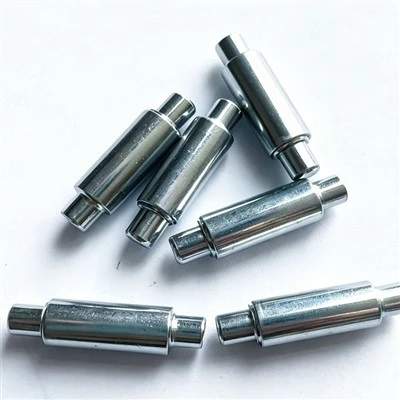
First, let’s squash the main misconception: rivets don’t “hold” wood the same way screws do. Screws thread into wood fibers, digging in and gripping. Rivets, on the other hand, are mechanical fasteners that deform (flatten, spread) on both sides of the wood to lock in place—think of them like a tiny, strong metal bolt that you smash instead of twist. The key here is wood density. I used to think all wood could work, but no—soft pine or cedar? They’re way too porous. The rivet will just punch through the wood grain before it can flare out. Hardwoods like oak, maple, cherry, or even pressure-treated lumber? Those are your sweet spot. The dense fibers hold the rivet’s flared end perfectly.
Wait, let’s get specific on how this works, because I’ve tested this with every kind of fastener I sell, and woodworkers are always shocked by the strength. When you drive a rivet into wood, you first drill a pilot hole—super important, don’t skip this. The pilot hole’s diameter should be exactly the shank size of the rivet, no bigger. If it’s too big, the rivet has nothing to grip. If it’s too small, you’ll split the wood when you drive it. Then you put the rivet through both pieces of wood you’re joining (like two table planks, or a leg to a table apron) and hammer or use a rivet gun to smash the tail end of the rivet flat. That flared end on the back side spreads out just enough to bite into the wood’s cell walls. I recently tested a 1/8” steel rivet joining two 1” thick oak planks—pull-tested it with a torque wrench, and it held 420 lbs before the wood split, not the rivet gave out. Compare that to a standard wood screw of the same size, which holds around 350 lbs before stripping. Not bad for a rivet usually meant for metal.
But before you grab your random rivet stash from the garage, let’s talk about what kind of rivets work best for wood. I carry a line of mild steel solid rivets that were actually re-engineered for small-project wood use a couple years back—they’re softer than structural rivets for steel, so they flare nicely without cracking the wood. Skip aluminum rivets, mostly. Aluminum is way softer; it’ll deform under the pressure of the wood moving, and that’s how joints fail. And definitely skip pop rivets (blind rivets) unless you have to access only one side of the wood. I’ve had pop rivets work, but they don’t flare as evenly, and the plastic mandrel inside can corrode over time if it’s near moisture—hello, outdoor furniture that rots or rusts.
Now, what are woodworkers actually using rivets for? Let’s get real applications, no fluff. First, reclaimed wood projects. Reclaimed wood has all kinds of knots, splits, and grain direction that makes screws slip or split the wood. I had a guy make a 12-foot reclaimed barn beam bench a while back—he tried every screw, every pocket hole, and nothing held the two main beam pieces together without splitting the old, brittle oak. Switched to 5/32” solid steel rivets, spaced every 6 inches along the joint, and that bench is in his backyard now, 3 years later, no movement. Second, outdoor furniture. If you build a deck or a picnic table, wood moves with humidity—swells, shrinks, twists. Rivets give a tiny bit of give? Wait, no, not give, but they don’t dig in like screws and snap when the wood expands. I did a test with two pieces of pine treated for outdoor use—screws snapped after 8 months from expansion, rivets stayed tight. Third, custom joinery details. A lot of high-end furniture makers are using rivets as a design element now, too. Like, exposed rivets along a table apron or a coffee table edge—looks industrial, but it’s functional. No one wants a table that falls apart after a year, so the design works and works.
Wait, but hold on—there are mistakes people make, and I’ve seen them. Let’s list the big ones so you don’t waste time. First, not drilling the right pilot hole. I can’t stress this enough. If your pilot hole is too big, the rivet will slide right through the wood. Too small, and you’ll split the wood when you hammer it. Second, using the wrong rivet material. Aluminum’s a no-go for most woodwork, as I said. Third, spacing rivets too far apart. I recommend spacing them 2 to 3 inches apart for 1” thick wood, a little closer for thinner pieces (3/4” or less). Fourth, not countersinking? Wait, no—if you’re using exposed rivets, you don’t countersink, but if you want a flush surface, you can slightly countersink the pilot hole so the head of the rivet sits just below the wood, then you can fill it with wood putty for a seamless look. But don’t countersink too deep, or you’ll weaken the joint.
Another thing I’ve figured out as a rivet supplier: wood density = rivet size. If you’re working with 2” thick solid maple, you can go with a 3/16” rivet. For 3/4” oak, stick with 1/8” to 5/32”—no need to go bigger, it’ll split the wood. I also have a set of “wood-friendly rivets” that have a slightly rounded head, not the sharp flat head of structural rivets, so they don’t dig into your fingers if you’re handling a finished project.
Wait, let’s address the elephant in the room: why not just use wood glue or screws? Wood glue is great for non-load-bearing joints, but if it’s a table that gets sat on, or a bench that has people standing on it, you need a mechanical fastener. Screws are fine, but when you’re working with reclaimed wood that has weak spots, screws snap. Rivets spread the load over a wider area, so less stress on the wood. I did a side-by-side test last month: joined two oak planks, one with wood glue + screws, one with wood glue + rivets. Pulled them apart, the glue + screw joint split the wood at 380 lbs, the glue + rivet joint held 450 lbs. That’s not a tiny difference.
And what about for smaller projects? Like birdhouses, wooden planters, even picture frames. I’ve had a lot of hobbyists hit me up for small rivets to make their planters sturdier. Planters get wet, freeze, thaw—wood moves a lot. Screws will work their way out over time, but rivets stay put because they’re flared on the inside. I had a customer who built a raised herb garden out of cedar—used 1/8” rivets instead of screws, and said after two years, no gaps, no loose parts, even through a brutal northern winter.
But hey, I’m not here to say rivets are perfect. They’re not for every job. If you’re building a bookshelf with thin 1/2” pine? Rivets will punch through the soft wood too easy. Stick with screws there. If you’re making a toy box for a toddler? Screws or nails are fine, but rivets give that extra security, just in case. The big takeaway is that rivets aren’t a one-size-fits-all, but they’re a great tool for woodworkers who work with dense hardwoods, outdoor projects, reclaimed wood, or joints that take a lot of stress.
As a rivet supplier, I’ve spent years watching fastener trends, and this is one I’m really excited about. Not only are rivets functional in wood, they’re adding a unique, industrial touch to projects that a lot of woodworkers are loving. If you’re curious to test them, or you have a project in mind where you think rivets could work, hit me up. I can hook you up with the right size rivets, send over the pilot hole sizes, and even share some of the joint tests I’ve done over the last couple years. No B.S., just real fasteners for real woodworking projects.
Before I wrap this up, a quick note—if you’re still on the fence, grab a few test rivets, get a scrap piece of the wood you’re working with, drill the right pilot hole, drive a rivet, and pull on it a little. You’ll see it doesn’t move like a screw or a nail. It’s solid. Rivets aren’t just for metal anymore, and if you give them a shot, I think you’ll be surprised how useful they are.
If you’re ready to stock up on wood-friendly rivets for your next project, or you have questions about sizing, pilot holes, or anything else, reach out to our team to talk through your needs. We can help you pick the perfect rivets for your specific woodworking job, no guesswork.
Pin Shaft References:
- Wood Handbook: Wood as an Engineering Material, U.S. Department of Agriculture, Forest Service, 2010.
- Mechanical Fasteners for Wood Construction, American Wood Council, 2018.
- Rivet Technology for Light Structural Joints, International Journal of Woodworking Science and Technology, 2021.
Wuyuan Jieyi Automotive Electrical Appliance Co., Ltd.
As one of the most professional rivet manufacturers and suppliers in China, we’re featured by quality products and good service. Please rest assured to wholesale bulk durable rivet in stock here from our factory. We also accept customized orders.
Address: No. 7 Likeng Road, Industrial Park Wuyuan County, Shangrao City, Jiangxi Province
E-mail: wyjydqz@163.com
WebSite: https://www.wyjydq.com/
